
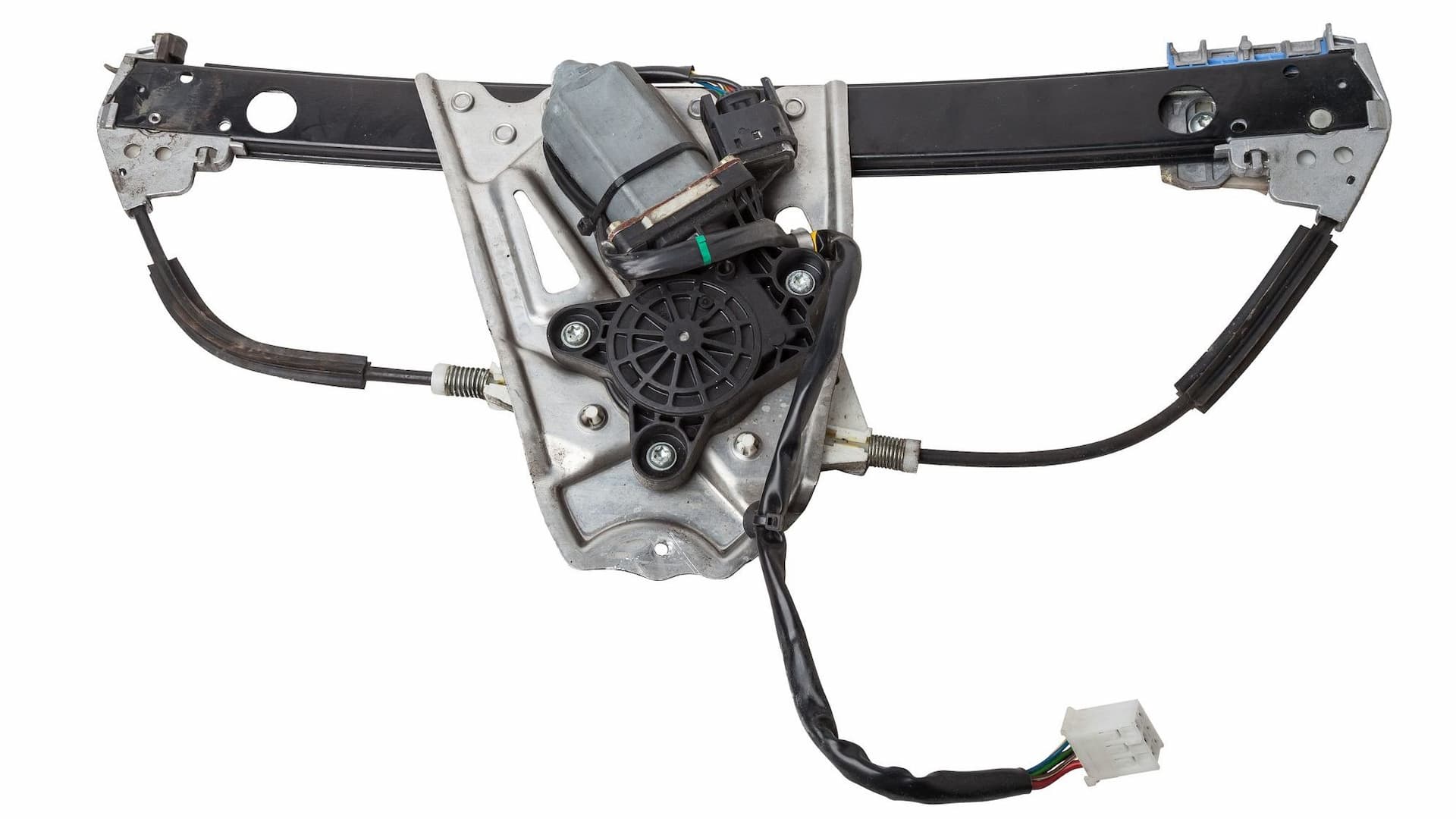
If your car window isn’t rolling up or down, a faulty window regulator could be the cause — and replacing it typically costs between $250 and $900.
The exact price depends on your vehicle, whether it’s a front or rear window, and how complex the repair is. While it may seem like a minor issue, a broken regulator can leave your car exposed to theft, weather damage, and safety risks.
In this guide, we’ll break down the replacement cost, warning signs to watch for, and how to tell if the problem is the regulator or another component.
This Article Contains:
- How Much Does a Window Regulator Replacement Cost?
- 5 Factors Affecting the Window Regulator Replacement Cost
- Is It Worth Replacing a Faulty Window Regulator?
- 4 Warning Signs You Need a Window Regulator Replacement
- Window Regulator vs Window Motor: How to Tell the Difference
- How Long Do Window Regulators Last?
- Is It Easy to Replace Window Regulators Yourself?
- How Can You Extend the Lifespan of Your Window Regulators?
Let’s dive in!
How Much Does a Window Regulator Replacement Cost?
The average replacement cost for a window regulator is $250-$900. Here’s a breakdown of the costs:
- Rear Window Regulator Replacement ($250-$450)
- Parts: $80-$200
- Labor: $170-$250 (takes 1-2 hours)
- Front Window Regulator Replacement ($420-$900)
- Parts: $250-$600
- Labor: $170-$300 (takes 1.5-3 hours)
NOTE: Insurance may cover the costs of replacing your window regulator if it gets damaged in an accident.
5 Factors Affecting the Window Regulator Replacement Cost
Below are the factors a reliable mechanic considers when quoting you for a window regulator replacement:
- Vehicle make and model: Regular passenger vehicles, like the Honda Civic or Ford Focus, use standard regulators that are inexpensive and widely available. Meanwhile, luxury cars or SUVs often require specialized regulators, which can cost twice as much.
- Parts quality (OEM vs aftermarket): Aftermarket regulators cost less but may not last as long. OEM (Original Equipment Manufacturer) parts cost more but ensure a proper fit and reliable performance.
- Type of regulator: Manual regulators are cheaper to replace, while power window regulators (with an electric motor) are more complex and expensive. Also, it may often cost you more to replace the front window regulators than the rear ones.
- Additional repairs: Costs can be higher if the problem isn’t just the regulator. For example, replacing a faulty window motor often adds $200-$300 to your final bill. Meanwhile, fixing a small crack in your window could cost you an extra $50-$150, depending on the extent of the damage.
- Location: Shops in large cities or high-cost-of-living areas (such as San Francisco) often charge higher labor rates than rural repair shops.
Is It Worth Replacing a Faulty Window Regulator?
Yes, replacing a bad regulator is worth it as it ensures your car windows are in proper working condition. This is essential for both convenience and road safety.
A stuck window can be a major problem in emergencies, especially if you need to exit the vehicle quickly. It can also leave your car vulnerable to theft or weather damage.
4 Warning Signs You Need a Window Regulator Replacement
A failing window regulator shows clear symptoms before it stops working completely. Here are the most common ones to watch for:
- Window won’t roll up or down: If the window doesn’t budge when pressing the switch (or turning the crank on manual models), the regulator or motor may have failed.
- Slow or uneven window movement: A failing regulator may cause the window to move sluggishly, tilt out of alignment, or jam partway.
- Grinding or clicking noises: If you hear loud noises when operating the window, this often means the regulator’s cables, gears, or guides are worn out.
- Window falls into the door: If the window slips down on its own, the regulator may have broken completely.
Window Regulator vs Window Motor: How to Tell the Difference
Not every window issue is caused by the regulator—sometimes, the motor is to blame. Knowing the difference can help avoid unnecessary repairs.
- No sound at all: Likely a faulty window motor or electrical issue
- Noise but no movement: Usually indicates a broken window regulator
- Slow or struggling movement: Could be either a weakening motor or a worn regulator
Identifying the correct component ensures you fix the right problem the first time and avoid extra costs.
How Long Do Window Regulators Last?
Window regulators typically last 5 to 10 years, but their lifespan depends on factors like part quality and usage.
OEM regulators usually last longer than cheaper aftermarket options. Also, regulators that are used frequently or exposed to dirt and moisture may wear out more quickly.
Is It Easy to Replace Window Regulators Yourself?
Replacing a regulator yourself can save on labor, but it’s not a simple task. You’ll need to remove the door panel, disconnect the wiring, and carefully reinstall the glass. Making mistakes could lead to rattling windows, electrical faults, or broken glass.
A safer option is to pay $170-$300 labor charges at a shop and leave the job to professionals. That way, you’ll have peace of mind knowing the window regulators have been installed properly.
How Can You Extend the Lifespan of Your Window Regulators?
With proper care, window regulators can last much longer. Here are a few simple habits that help reduce wear and tear:
1. Avoid Excessive Force or Over-Pressing the Switch
If you have manual windows, avoid cranking with too much force, as this can strain or break the regulator mechanism. For power windows, avoid pressing the button for too long once the glass is fully up or down. Holding the button longer could eventually burn out the motor or cause the regulator to fail.
2. Avoid Slamming the Door
When you slam the door, the shock and vibration travel through the glass and regulator assembly. Over time, this can loosen or misalign the regulator’s tracks or stress the cables. To prevent this kind of damage, make it a habit to close your doors gently.
3. Keep the Window Tracks Clean
Dirt often builds up in the tracks and channels where the glass slides. This creates extra friction and makes the regulator work harder. To prevent this, regularly clean the tracks by wiping them with a soft cloth or brush.
Restore Smooth Window Operation with AutoNation Mobile Service
A failing window regulator can cause your windows to become stuck or noisy. Replacing it promptly ensures your windows work smoothly and your car stays secure.
And if you replace a faulty window regulator with AutoNation Mobile Service, you don’t have to worry about visiting a shop.
Our trained technicians come to you and perform the job right from your driveway. For added peace of mind, every repair is backed by our 12-month, 12,000-mile warranty.
Book your appointment with us and get your windows working like new again.