
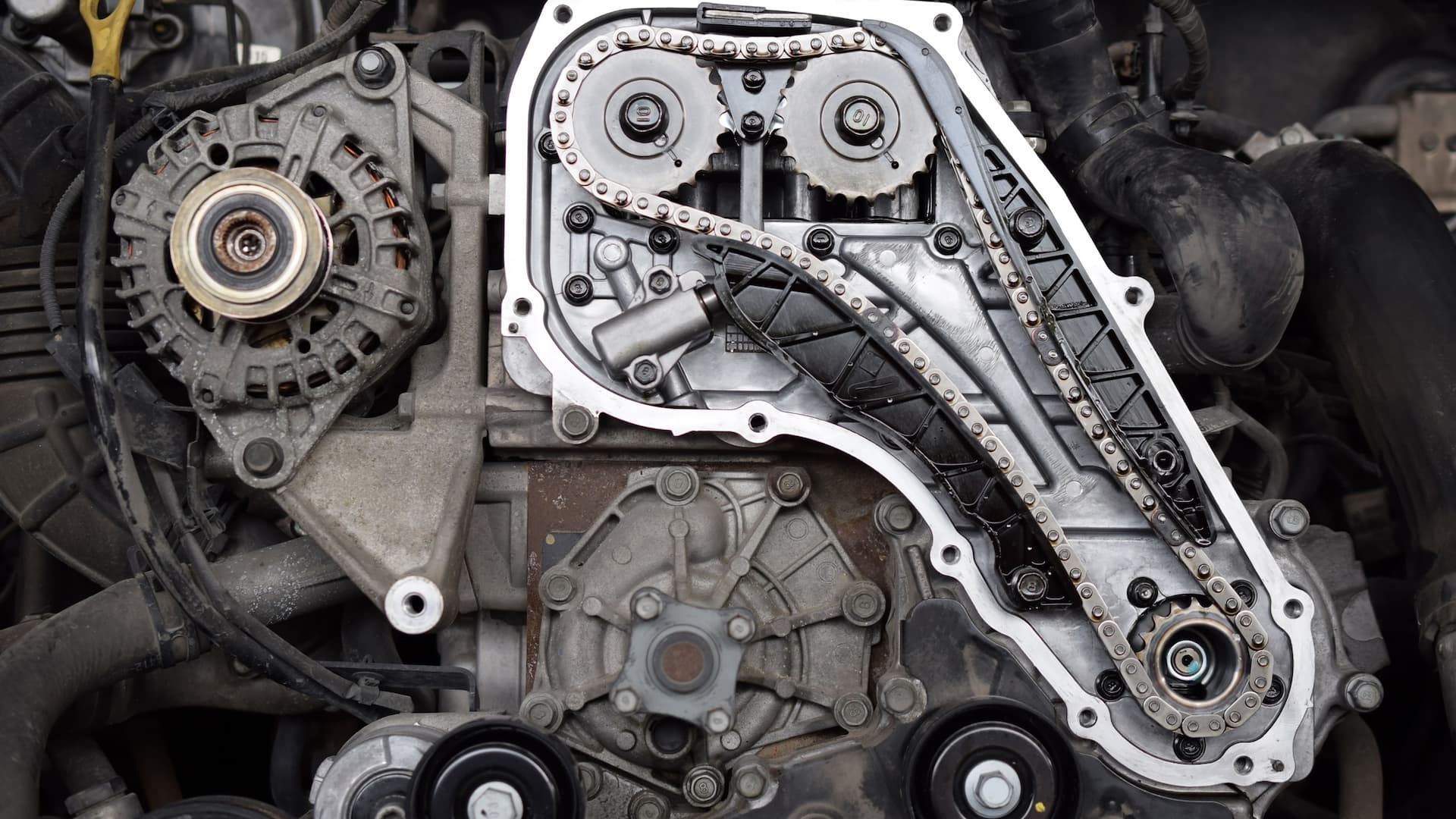
Timing cover gasket replacement cost typically falls between $900 and $1,800 for most vehicles. Some repairs land below that range, while others can climb higher depending on engine layout, labor hours, and other factors.
Put it off too long, and a small oil leak can turn into bigger issues like contaminated belts, falling oil levels, or even engine damage.
Before you make a decision, it helps to understand the full picture. Let’s explore pricing factors, warning signs, lifespan, and the replacement process.
This Article Contains:
- How Much Does Timing Cover Gasket Replacement Cost?
- Is It Worth Replacing a Timing Cover Gasket?
- 8 Key Signs You May Need Timing Cover Gasket Replacement
- How Long Does a Timing Cover Gasket Last?
- How to Replace a Timing Cover Gasket
How Much Does Timing Cover Gasket Replacement Cost?
Here’s what you can realistically expect to pay for this repair:
A. Range
The average cost is $900 to $1,800 for a standard timing cover gasket replacement on most passenger vehicles. The exact amount depends on the engine type, accessibility, and total labor hours required for the repair.
Here’s the breakdown:
- Labor cost: $800–$1,500
NOTE: Clearly, labor makes up the bulk of the replacement cost. It’s because reaching the timing cover often requires removing belts, accessories, and sometimes components near the timing chain cover. All these factors increase the total labor hours.
- Parts cost: $100–$300
This covers components like the timing cover gasket, timing cover seal, sealant, and other related parts.
B. Factors Affecting Cost
Several real-world factors influence your final expenses:
- Vehicle type and engine layout: Compact cars often allow easier access to the timing cover, while SUVs and heavy-duty trucks have tighter engine bay layouts. Extra disassembly around front engine components increases labor hours and total labor cost.
- Severity of the leak: A damaged gasket can leak engine oil where the cover meets the cylinder head, allowing it to spread through the engine bay and harm nearby parts. So, a minor oil leak may need a simple gasket replacement, but a heavier leak often requires added cleaning, new seals, or extra repair. This raises the overall cost.
- Labor rates by shop and region: Your local labor rate plays a major role. Shops in larger cities typically charge more than those in rural areas. Similarly, a dealer or dealership may quote higher rates than an independent shop.
- Additional repairs: While accessing the timing chain cover, shops often recommend replacing the water pump, crankshaft seal, or timing belt. They also drain and refill engine oil and change the oil pan gasket. All these additional services add to your final bill. For example, a water pump replacement alone can add $400 to $925 to your total.
- OEM vs. aftermarket parts: Aftermarket gasket options usually cost less upfront but can vary in quality. Original Equipment Manufacturer (OEM) parts meet factory specifications and often offer better long-term sealing and reliability.
- Diagnostic time: Oil doesn’t always drip straight down. A valve cover leak can trickle onto lower components, and a timing cover leak can coat the front of the engine. That overlap can make the source harder to confirm, increasing diagnostic time and labor charges.
This brings us to the practical decision:
Is It Worth Replacing a Timing Cover Gasket?
Yes, it is.
A leaking timing cover gasket usually gets worse over time. And the longer it seeps, the more damage it causes, raising the replacement cost.
Left alone, an oil leak can lead to:
- Oil-soaked belts and pulleys, causing slipping, squealing, or premature wear.
- Deterioration of nearby rubber parts like hoses and engine mounts.
- Gradual oil loss that affects proper engine lubrication.
- Contamination inside the engine bay, making future leak diagnosis harder.
- Additional repair costs if leaking oil reaches sensors or wiring.
The bottom line: If the leak is visible, active, or worsening, it’s not something to ignore. Addressing it early protects your engine and keeps a minor repair from snowballing into a much more expensive problem.
So how do you know it’s time to act? Well, there are tell-tale signs.
8 Key Signs You May Need Timing Cover Gasket Replacement
Here are the most common symptoms of a developing timing cover leak:
- Visible oil seepage at the front of the engine: What starts as light seepage can turn into a clear external oil leak. You may notice fresh oil around the timing cover or damp grime near the front engine area.
- Dark oil spots under your parked vehicle: Small puddles or stains under the front of the car could indicate an oil leak from the timing cover area.
NOTE: Oil spots can also result from valve cover gasket or oil pan gasket leaks—proper diagnosis identifies the exact source.
- Burning oil smell after driving: Leaking engine oil can drip onto hot components like the exhaust manifold or catalytic converter. This creates a sharp odor or light smoke from the engine bay.
- Rough or inconsistent engine performance: A compromised gasket seal can allow dirt or debris into sensitive areas, affecting engine performance.
- Rattling or knocking from the front of the engine: This happens when the timing cover begins shifting or vibrating against nearby parts.
- Dropping oil level between service intervals: Even a small leak can cause oil loss over time and risk engine damage. It may show up as a falling dipstick reading or a low oil warning light.
- Illuminated check engine light: In some cases, irregular oil pressure conditions or oil-related sensor readings can trigger the check engine light.
- Squealing or slipping belts: When oil coats the belts or pulleys, it reduces friction. That loss of grip can cause squealing, belt slippage, and eventually cracking or tearing.
If you’re planning ahead, lifespan matters just as much as cost.
How Long Does a Timing Cover Gasket Last?
With proper maintenance, a timing cover gasket typically lasts 100,000 to 150,000 miles, or about 7 to 10 years. In many vehicles, it’s built to match the long service life of surrounding engine components.
That said, lifespan depends on a few key factors:
- Engine heat cycles: Repeated expansion and contraction harden the gasket, often leading to a slow oil leak near the timing chain cover.
- Maintenance habits: Skipped service intervals accelerate wear and reduce sealing performance.
- Overheating and crankcase pressure: Excess heat or pressure can shorten durability and trigger early failure.
- Gasket quality: A low-quality gasket typically fails sooner than a higher-quality option.
With the gasket lifespan in mind, let’s explore how the replacement process typically unfolds.
How to Replace a Timing Cover Gasket
A timing cover gasket replacement isn’t a quick 15-minute job. The complete repair typically takes a couple of hours to a full day, depending on complications. Moreover, any errors can lead to recurring oil leaks or serious engine damage.
That’s why car owners trust experienced technicians with this kind of repair.
Here are the steps a professional follows:
- Park the vehicle, let the engine cool, and open the hood to access the engine bay.
- Scan for codes with an OBD-II scanner and inspect for leaks to confirm the source and rule out nearby seals.
- Add UV dye to the engine oil if the leak isn’t obvious, then recheck under UV light.
- Disconnect the battery before disassembly.
- Remove belts, accessories, and components blocking the timing chain cover.
- Drain engine oil from the oil pan and, if required, the coolant too.
- Clean old gasket material from the cover and sealing surfaces.
- Install the new timing cover gasket, torque bolts to spec, and complete reassembly.
- Refill fluids, start the engine, and verify that the replacement fully sealed the leak.
Trust AutoNation Mobile Service for Timing Cover Gasket Repairs
A faulty timing cover gasket isn’t something to ignore. Fixing it early protects your engine, prevents bigger repairs, and keeps your vehicle running reliably.
AutoNation Mobile Service makes the process simple. Our expert mechanics are available seven days a week and come directly to your location. We offer upfront pricing, and every repair is backed by a 12-month | 12,000-mile warranty for added peace of mind.
Get a free quote online and schedule your timing cover gasket replacement without the hassle of visiting a shop.