
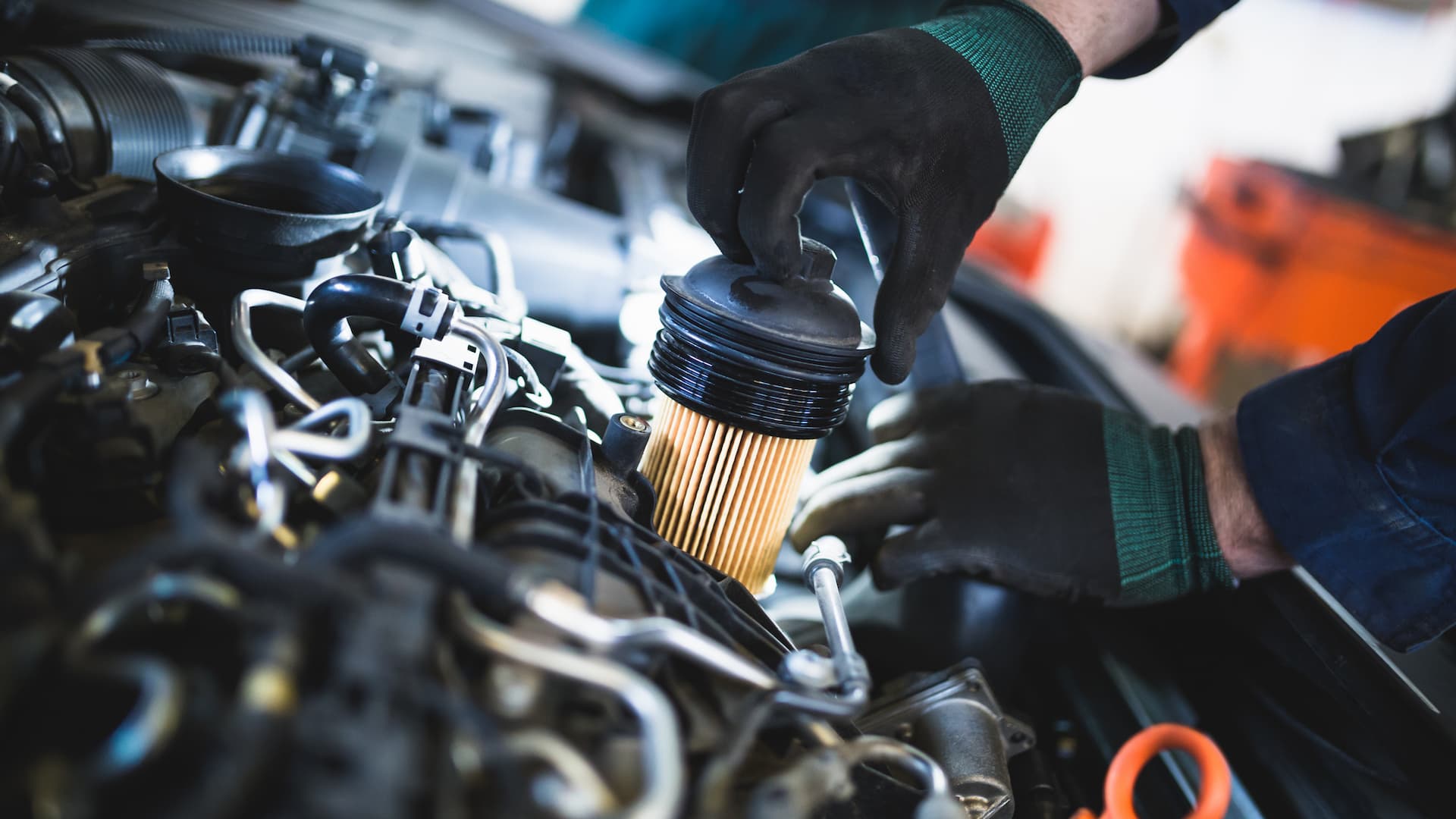
A fuel filter warning light usually means your vehicle has detected a problem with fuel filtration or delivery. Depending on the vehicle, it may point to water in a diesel fuel-water separator, a clogged fuel filter, or a fault with the sensor or drainage system.
If the light comes on, don’t ignore or simply reset it. A minor restriction can affect engine performance, while water contamination may put sensitive fuel-system components at risk.
Below, we’ll explain what the fuel filter warning light means, what can trigger it, and how to diagnose the issue.
This Article Contains:
- What Does a Fuel Filter Warning Light Indicate?
- Can You Drive With the Fuel Filter Light On?
- What Triggers the Fuel Filter Warning Light?
- What Are the Symptoms of a Bad or Clogged Fuel Filter?
- How Does a Mechanic Check the Warning?
- How Much Does Fuel Filter Replacement Cost?
- Can You Reset the Fuel Filter Warning Light?
What Does a Fuel Filter Warning Light Indicate?
The fuel filter warning can mean different things depending on your vehicle and engine type.
- Diesel engines: You may see a dedicated diesel fuel filter or water-in-fuel (WIF) warning symbol, often resembling a filter with droplets or wavy lines underneath it. This usually relates to water collecting in the water separator or a problem with fuel filtration.
- Gasoline engines: Gas-powered cars don’t have a dedicated fuel filter warning light; instead, a clogged filter or fuel-delivery problem may trigger the check engine light. You may also notice poor drivability symptoms such as hesitation, hard starting, or loss of power.
The exact meaning varies by manufacturer, but a fuel filter-related warning generally points to one of these issues:
- Water in the fuel: Common on diesel vehicles. Water has accumulated inside the fuel filter or fuel-water separator, causing the water-in-fuel (WIF) sensor to trigger the warning.
- Clogged or restricted fuel filter: Dirt, rust, or other contaminants have built up inside the filter and are restricting fuel flow to the engine. You may also notice reduced power, hesitation, or trouble accelerating.
- Sensor or system fault: A faulty sensor, damaged wiring, or a problem with an automatic water-drain system can keep the warning illuminated even after the filter has been serviced.
Now you may be wondering…
Can You Drive With the Fuel Filter Light On?
Whether you need to stop immediately depends on the warning light, how your car is running, and what your manufacturer recommends. Don’t ignore a fuel filter warning light, even if the vehicle seems to be driving normally.
If the fuel filter light is amber, there’s no fuel leak or strong fuel smell, and your owner’s manual says it’s safe to continue, you may be able to drive a short distance carefully. Drive only as long as needed to reach a safe place or service location.
However, pull over somewhere safe and arrange assistance if the engine loses significant power, stalls, struggles to start, or shows a red “stop vehicle” warning. In those cases, don’t keep driving.
It’s best to stay up to date with your vehicle maintenance checks and resolve issues ASAP, especially since several different problems can trigger the warning light.
What Triggers the Fuel Filter Warning Light?
Here are the most common causes of fuel filter-related warnings:
1. Water in the Fuel Filter
Water accumulation is one of the most common reasons for this warning on diesel vehicles, whether it’s a sedan or truck.
Diesel fuel systems often use a fuel-water separator to catch moisture before it reaches sensitive components farther downstream, helping clean fuel continue through the system.
A sensor monitors the amount of water collected in the separator. Once it reaches a set level, your vehicle can illuminate the water-in-fuel or diesel fuel filter warning light. Water can enter the fuel system through contaminated or bad fuel, condensation, or other moisture-related contamination in the fuel tank.
2. A Clogged or Dirty Fuel Filter
Your fuel filter catches dirt, rust, and other contaminants before they reach the engine. Over time, that material can build up and create a dirty filter, making it harder for fuel to pass through.
A restriction may become especially noticeable when the engine needs more fuel, such as during:
- Hard acceleration
- Climbing a hill
- Carrying a heavy load
- Driving at higher engine speeds
You may notice the warning light comes on during acceleration and turns off when you slow down. If that happens, the problem may still be there, but it’s less noticeable when the engine needs less fuel.
3. Fuel Pressure or Delivery Problems
A warning associated with the fuel filter can sometimes appear alongside a broader fuel-pressure or fuel-delivery issue. For example, reduced fuel flow may contribute to low fuel pressure.
But a clogged filter isn’t the only possible cause. Problems with the fuel pump, lift pump on some diesel engines, pressure regulator, fuel lines, fuel injectors, or other components can produce similar symptoms.
A diagnostic scan may also reveal related trouble codes, such as P0087, which indicates fuel rail or system pressure is too low.
4. Sensor, Wiring, or Drain-System Fault
If the filter has already been serviced or water has been drained, but the warning stays on, the problem could be a result of:
- A faulty water-in-fuel sensor
- Damaged or loose wiring
- A connector problem
- A malfunctioning automatic drain system
- An incomplete reset or service procedure
On some diesel vehicles, the separator may use a drain valve or drain plug to remove collected water, but the exact setup varies by vehicle.
This is why repeatedly clearing the warning without diagnosing the cause usually isn’t a good solution. In some cases, the warning may also appear alongside noticeable changes in how your car runs.
What Are the Symptoms of a Bad or Clogged Fuel Filter?
You may have a bad fuel filter or a clogged fuel filter if you notice any of the following signs:
- Loss of power during acceleration
- Hard starting
- Rough idling
- Engine hesitation or sputtering
- Stalling
- A check engine light
However, these symptoms can also be caused by problems with the fuel pump, fuel-pressure regulator, injectors, ignition system, or other engine components. For that reason, it’s best to have a mechanic diagnose the issue before replacing the fuel filter.
How Does a Mechanic Check the Warning?
The exact procedure depends on the vehicle, which is why a generic reset or drainage process isn’t appropriate for every car.
A mechanic will usually work through the fuel system in this order:
- Confirm which warning is showing. They’ll first identify whether your vehicle has a dedicated fuel filter or water-in-fuel warning, or whether a gasoline vehicle is showing a check engine light linked to a fuel-delivery issue.
- Inspect the fuel filter. The mechanic will check the filter for contamination, restriction, damage, or signs that it’s overdue for replacement. They may also check the filter housing for leaks or damage.
- Check for water contamination on diesel vehicles. If your diesel uses a fuel-water separator, they’ll inspect it for accumulated water and drain water or service the separator if necessary.
- Test fuel pressure and flow to determine whether enough fuel is reaching the engine and whether the problem could involve a clogged filter, weak fuel pump, pressure regulator, or another delivery issue.
- Scan the vehicle for trouble codes. Stored codes can help narrow down problems involving low fuel pressure, sensors, wiring, or other fuel-system components.
- Inspect related components if the filter isn’t the cause. Depending on the findings, the mechanic may check the fuel pump, injectors, fuel lines, pressure regulator, or, on diesel vehicles, the water-in-fuel sensor and its wiring.
- Repair the underlying issue and verify the fix. Once the problem is resolved, the mechanic will clear or reset the warning if needed and confirm that the light stays off and the vehicle runs normally.
If the fuel filter does need replacing, the next question is usually cost.
How Much Does Fuel Filter Replacement Cost?
Fuel filter replacement costs around $230 to $310, though the final price depends on factors such as:
- Filter location and accessibility
- Gasoline vs. diesel fuel system
- Filter and separator design
- Labor required
- Whether other fuel-system problems need diagnosis or repair
If an old filter is restricted or contaminated, replacement with a new filter may be necessary once the cause has been confirmed.
Keep in mind that a fuel filter warning doesn’t automatically mean the filter needs replacement. If the problem is water accumulation, a faulty sensor, or another fuel-system issue, the required service may be different.
Once the underlying problem has been identified and fixed, the next step is to make sure the warning light clears properly.
Can You Reset the Fuel Filter Warning Light?
On some vehicles, the light will turn off automatically after the dirty fuel filter is replaced or water is drained from the separator. On others, you may need to reset it through the dashboard or service menu, use an OBD-II scanner, or have the system checked again if the light stays on.
If the warning comes back after being cleared, it usually means the original issue hasn’t been fully resolved and needs another look.
NOTE: There’s no universal reset process, so the correct steps depend on your year, make, model, and engine.
Get a Fuel Filter Warning Checked Without a Shop Visit
A fuel filter warning can point to more than an overdue filter, so it’s important to confirm the cause before replacing any parts.
AutoNation Mobile Service technicians can come to your home, inspect the fuel system, and complete the repairs right in your driveway. We’re available seven days a week and offer upfront pricing, plus a 12-month/12,000-mile warranty on eligible repairs.
Get a free estimate and book your service to have the warning checked without making a trip to the shop.