How much does a car inspection cost?
While most fall within the $20-$200 range, the answer isn’t always straightforward. Pricing can vary based on where you live, the type of inspection you need, and your vehicle’s condition.
From routine safety checks to emissions testing, inspections play a key role in keeping your car road-legal and safe to drive.
Below, we’ll break down what affects pricing, how inspections work, and what you can expect so you’re fully prepared before you book any vehicle inspection services.
This Article Contains:
- How Much Does a Car Inspection Cost?
- Why Are Car Inspections Necessary (and When Do You Need One)?
- What Happens During a Car Inspection?
- What Are the Different Types of Car Inspections?
- How Long Is a Car Inspection Valid For?
- 3 FAQs About Car Inspections
How Much Does a Car Inspection Cost?
Car inspection costs vary widely because some states set fixed fees, while others allow shops to set their own prices.
A. Cost Range
Here’s a general breakdown of what vehicle owners can expect to pay:
- Emissions test: $20 to $30
- Safety-only inspection: $20 to $70
- Complete vehicle inspection: $50 to $200
- Pre-purchase vehicle inspection: $100 to $200 (typically done before buying a used car)
NOTE: Almost every inspection station requires you to bring your vehicle registration and may also ask for proof of insurance and a valid form of identification. However, your inspection requirement can vary by state, so it’s a good idea to confirm ahead of your visit.
B. Factors Affecting Cost
Here’s what affects how much you’ll pay for an inspection:
- Vehicle age and type: Newer vehicles often cost less to inspect since they’re less likely to have underlying issues. Vehicles manufactured before 1996 may require a tailpipe emissions test instead of an OBD-II scan, which can affect pricing.
- State and local laws: Some states, like New York, require both safety and emissions inspections, while others may mandate only one (safety or emissions), directly impacting the total cost.
- Location: Inspection costs can vary depending on where you live, as labor rates and demand tend to be higher in urban areas than in smaller towns or rural areas.
- Scope of inspection: A basic safety check costs far less than a comprehensive or pre-purchase car inspection, which is more detailed and time-intensive.
- Shop type: Pricing can vary depending on where you get the inspection. A state-run inspection station often charges a standardized inspection fee, whereas dealerships may charge a higher fee. Independent shops usually offer more flexible pricing.
NOTE: Inspections carried out by private repair shops are valid as long as the facility is state-authorized or licensed. If you’re unsure, check with your local Department of Motor Vehicles (DMV) or the inspection provider before booking a vehicle inspection service. - Emissions testing: While emissions checks are often part of standard state vehicle inspections, some states, such as Texas, may require additional or more detailed tests, which can increase the overall cost.
- Additional services: If your vehicle needs repairs to meet inspection standards, those costs are separate from the inspection fee and can increase your total spend. For example, during a brake inspection, if the technician finds worn brake pads or damaged rotors, you’ll need a brake repair to pass.
Now that we’ve covered costs, let’s take a closer look at why inspections are necessary.
Why Are Car Inspections Necessary (And When Do You Need One)?
Car inspections are important for keeping your vehicle safe, compliant, and road-ready.
- Safety: Inspections help identify issues with brakes, tires, lights, or suspension before they become serious hazards, protecting both you and other drivers on the road.
- Legal compliance: Passing annual inspection ensures your car meets state requirements, helping you avoid fines, penalties, or registration issues.
- Vehicle longevity: Catching problems early through state vehicle inspections can help prevent more costly repairs and keep your vehicle running reliably for longer. Regular checks lead to longer life and fewer major issues.
- Insurance eligibility: Some insurance providers may require an inspection before issuing or renewing coverage, especially for older or used vehicles.
You may need a car inspection when:
- Registering or renewing your vehicle (in some cases). You may also need a Vehicle Identification Number or VIN inspection to verify the vehicle’s identity.
- Complying with the state vehicle safety or emissions inspection requirement
- Buying or selling a used car
- Renewing or getting car insurance coverage
TIP: Spring is an ideal time to schedule a quick car inspection after winter. Cold weather and rough roads can put added stress on tires, brakes, suspension, and other crucial vehicle safety systems, especially after months of heavy use.
Want to know what to expect during the inspection process?
Let’s find out.
What Happens During a Car Inspection?
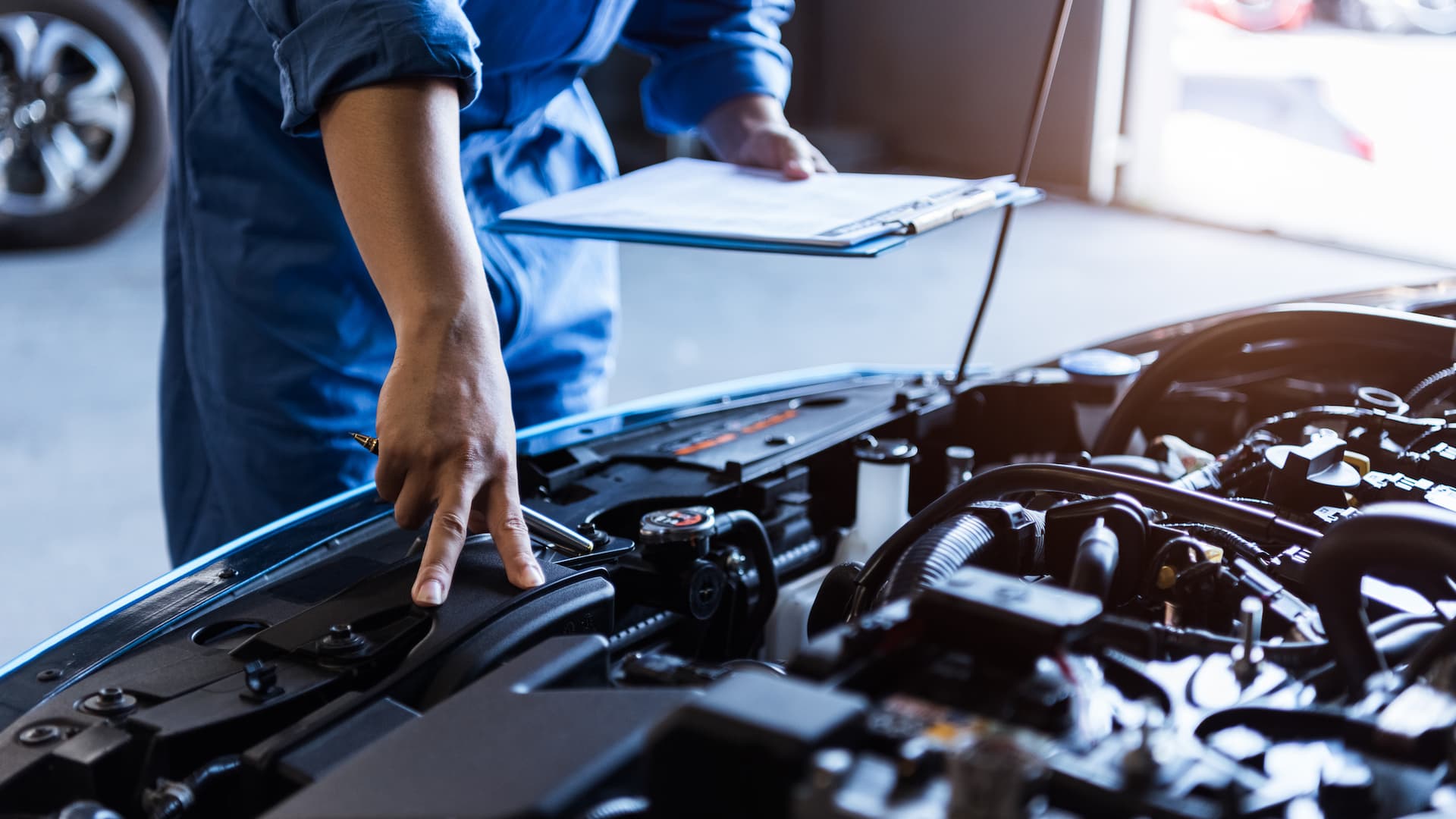
A typical car inspection involves checking essential safety systems and emissions components. These include tire, warning light, windshield, exhaust system, and brake inspection.
In areas where additional emissions testing is required, the mechanic may also inspect your oxygen sensors and the catalytic converter.
Once the inspection is complete, vehicle owners receive a report indicating whether their vehicle passed or failed, along with any issues that need attention.
With the inspection process covered, let’s now explore the different types.
What Are the Different Types of Car Inspections?
Not all vehicle inspection services are the same. Some require only a basic safety check, while others include emissions testing or more comprehensive evaluations.
A. Safety Inspection
This inspection verifies whether your motor vehicle is safe for road use.
Typical checks include brakes and tire inspection. The mechanics also inspect the condition of your steering and suspension systems, dashboard lights, seatbelts, mirrors, and windshield wipers. Additionally, they look for any visible fluid leaks.
This is an annual safety inspection mandatory in certain states, including Pennsylvania (where it’s commonly called a PA inspection or PA state inspection), Rhode Island, North Carolina, and Virginia.
B. Emissions Inspection
Also known as a smog check, this evaluates how cleanly your vehicle runs by measuring emissions output and is mandatory in many states. Older vehicles may require tailpipe testing, while newer models (1996+) use OBD-II diagnostics.
NOTE: Emissions inspection requirements vary by region and apply only to certain counties or metro areas.
C. Comprehensive or Complete Vehicle Inspection
This is the most thorough inspection, during which a technician checks different mechanical and electrical systems. While not legally required, it’s commonly recommended that you get it done to identify potential issues before purchasing a used vehicle.
During the service, technicians will also perform a tire inspection and examine the engine, transmission, suspension, electrical components, and fluids.
Knowing the types, you might wonder how soon you need to plan for them.
How Long Is a Car Inspection Valid For?
Car inspections are typically valid for 1 to 2 years, depending on your state.
In most cases, the inspection timeline aligns with your vehicle registration cycle, meaning you’ll need a valid inspection to renew your registration. However, this is not compulsory as requirements vary by state.
Common scenarios include:
- Annual safety inspection: Some states, such as Maine, Pennsylvania, and Virginia, require them. For example, Pennsylvania requires an annual PA state inspection to keep vehicles road-legal.
- Biennial emissions testing: States like California require emissions checks every two years, often in specific regions.
- One-time inspections: Some states, such as Florida, require inspections only when registering an out-of-state motor vehicle, along with a VIN inspection to verify the vehicle’s identity.
- Exemptions: Certain motor vehicles, such as antique or classic cars, may be exempt from regular inspections in some states.
Still have questions about car inspections?
We’ve got you covered!
3 FAQs About Car Inspections
Here are the answers to some questions you may have about car inspections:
1. How Long Does a Car Inspection Take?
A basic safety inspection usually takes about 15 to 30 minutes, while emissions testing typically takes 15 to 20 minutes.
A more thorough inspection, such as a pre-purchase vehicle inspection, can take anywhere from 1 to 2 hours.
The total time can vary depending on your vehicle’s condition, the type of inspection, and whether you visit during peak hours or schedule an appointment.
2. What If Your Vehicle Fails the Inspection?
If your car fails a state inspection, you’ll typically receive a rejection or failure inspection sticker and a report listing the issues. States usually give you a set window to resolve issues, such as getting a brake repair, replacing worn tires, or fixing warning lights.
What happens if you fail the second vehicle inspection?
If your car still doesn’t pass after repairs, don’t panic. In many states, you can go for a third inspection once you’ve done more fixes, as long as you’re still within the time window from your first failed test. Just remember, the rules and costs will vary depending on your location.
3. What Happens After You Pass the Vehicle Inspection?
When your vehicle passes the state inspection, you’ll receive a certificate or inspection sticker confirming it meets the state’s inspection requirements. This is typically needed to complete or renew your vehicle registration and legally operate your car.
Make Inspections and Repairs Hassle-Free with AutoNation Mobile Service
Car inspections may seem inconvenient, but they help keep you safe, ensure legal compliance, support your vehicle’s longevity, and prevent costly repairs. They’re a small investment for peace of mind every time you drive.
If you’d prefer a hassle-free vehicle inspection service without leaving your driveway — or need help getting your car back in shape to pass, AutoNation Mobile Service makes it easy.
We’re available 7 days a week, offer easy online booking, and back our work with a 12-month/12,000-mile warranty.
Schedule your pre-purchase inspection or other vehicle safety checks and repairs today.