
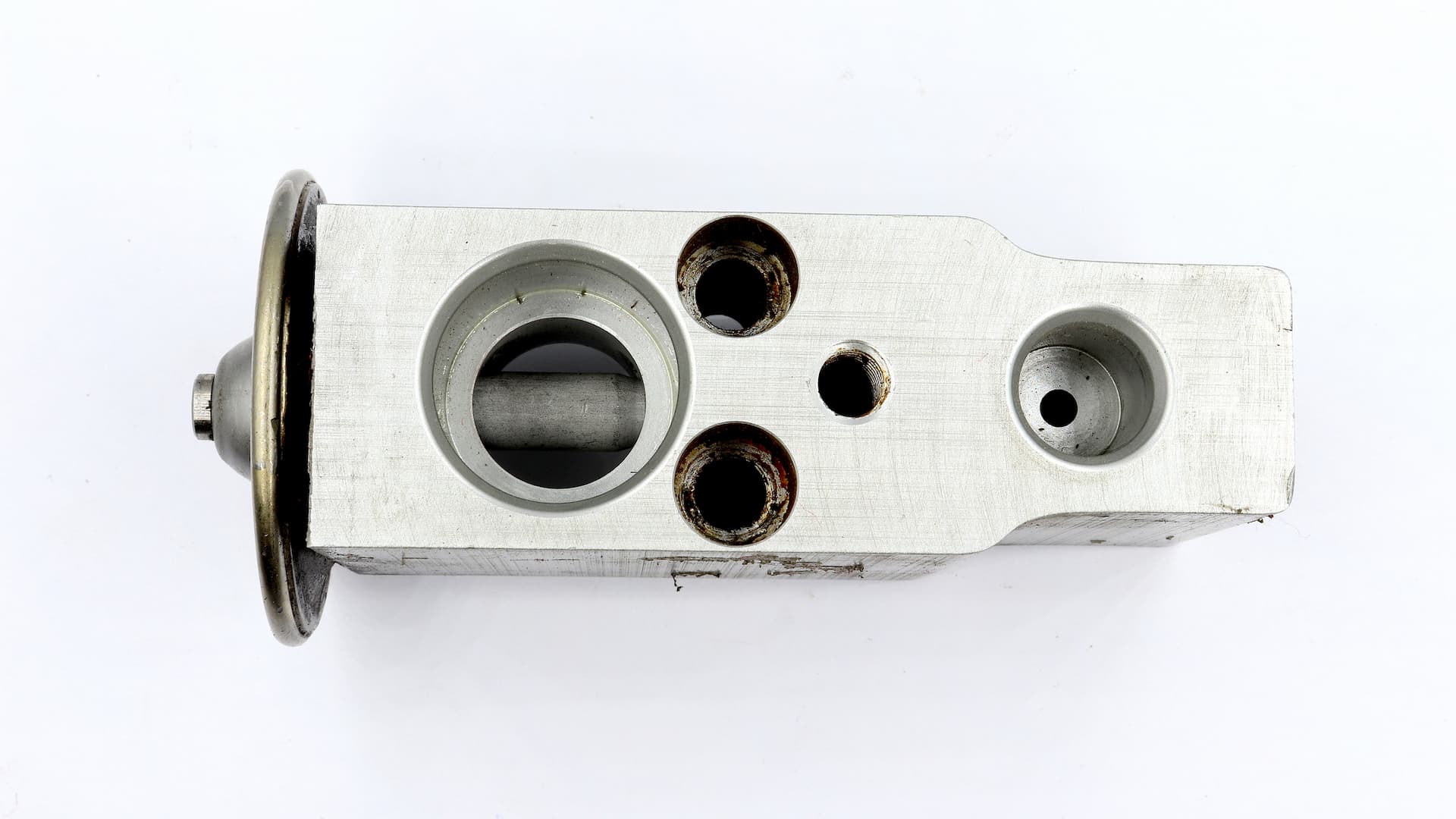
On average, you can expect to pay between $400 and $560, depending on your vehicle, labor rates, and any additional repairs needed. While the part itself isn’t very expensive, labor and system servicing can significantly impact the total cost.
But price isn’t the only factor—understanding what affects the cost and when replacement is necessary can help you avoid overpaying or misdiagnosing the issue.
In this guide, we’ll break down the actual replacement cost, what drives pricing, and the key signs your expansion valve needs attention.
This Article Contains:
- How Much Does Car AC Expansion Valve Replacement Cost?
- Common Misdiagnoses That Can Increase Repair Costs
- How Do Mechanics Confirm It’s the Expansion Valve?
- Is it Worth Replacing the AC Expansion Valve?
- 5 Key Signs You Need to Replace Your AC Expansion Valve
- How Long Do Car AC Expansion Valves Last?
- Should You Replace an AC Expansion Valve Yourself?
Let’s dive in.
How Much Does Car AC Expansion Valve Replacement Cost?
Here’s what you’ll have to pay for an AC expansion valve replacement:
A. Range
Replacing a car’s AC expansion valve typically costs between $400 and $560, depending on your vehicle. This estimate usually includes:
- Parts: $170 and $220
- Labor: $230 and $340 (replacement usually takes 1 to 2 hours)
B. Factors Affecting Cost
Other factors that can affect your replacement costs include:
- Vehicle make and model: The type of car you drive plays a big role in cost. Luxury and high-performance vehicles often require specialized parts that are more expensive to source and install.
- Type of expansion valve: There are two main types of expansion valves — thermal expansion valves (TXVs) and fixed orifice tubes. Older or budget-friendly vehicles often use a fixed orifice tube, which is simpler but less efficient. TXVs, on the other hand, provide better cooling performance and efficiency but are more complex and expensive to replace.
- Valve accessibility: Expansion valves are typically located at the firewall, near the point where the AC lines enter the cabin. But if the valve is in a hard-to-reach spot, such as behind the dashboard, replacing it can take more time and increase expenses.
- Refrigerant type: After installing the new valve, the mechanic will recharge the AC system with fresh refrigerant. Common types, such as R-134a or R-1234yf, tend to be more expensive, which can increase the overall replacement cost.
- Labor costs: Labor rates may vary depending on the mechanic, service center, and region. For instance, shops in urban areas charge more due to higher demand and overhead costs.
- Diagnostic fees: Mechanics typically run diagnostic tests before replacing the valve to ensure it’s the actual issue. They may charge a diagnostic fee that ranges from $50 to $170.
- Additional repairs: If the mechanic identifies other issues, such as a failing compressor, refrigerant leaks, or electrical problems, they will address these as well, which will increase your repair bill. For example, repairing a minor refrigerant leak can cost an extra $350 to $640.
Common Misdiagnoses That Can Increase Repair Costs
Expansion valve issues are often mistaken for other AC problems, which can lead to unnecessary repairs.
Some commonly misdiagnosed issues include:
- Low refrigerant levels
- Faulty AC compressor
- Blocked condenser or evaporator
- Malfunctioning pressure sensors
Because these problems share similar symptoms, like weak cooling or inconsistent temperatures, diagnosis is critical. A professional inspection ensures you’re fixing the right problem the first time.
How Do Mechanics Confirm It’s the Expansion Valve?
Diagnosing a faulty expansion valve involves specific tests to confirm the issue.
- Pressure gauge readings: Mechanics check the high- and low-side pressures in the AC system. An imbalance—such as unusually high pressure on one side and low on the other—can indicate a restriction caused by a faulty valve.
- Temperature drop across the evaporator: The expansion valve regulates how refrigerant cools as it enters the evaporator. If the temperature change is inconsistent or outside the expected range, it may signal improper valve operation.
- System response testing: Technicians observe how the AC system reacts under different conditions, such as varying engine speeds or cooling demands. Delayed or irregular cooling often points to a malfunctioning expansion valve.
Is it Worth Replacing the AC Expansion Valve?
Yes, it is.
The expansion valve is an essential part of your car’s AC system, controlling the amount of refrigerant that enters the evaporator. As the refrigerant passes through the valve, its pressure drops rapidly, causing it to cool and expand. This cold refrigerant then allows the evaporator to absorb heat from the air, producing cool air that flows into your cabin.
When the expansion valve isn’t working correctly, the AC can’t maintain the correct pressure or temperature. This leads to weak or uneven cooling and can even cause damage to the compressor or evaporator.
5 Key Signs You Need to Replace Your AC Expansion Valve
If you notice any of these red flags, it’s time to replace your expansion valve:
- Inconsistent cooling: The AC may alternate between cold and warm air when the valve fails to regulate refrigerant flow properly.
- High cabin temperature: Insufficient refrigerant flow can prevent the system from cooling effectively, resulting in a warmer-than-usual cabin.
- Frost on AC components: If the valve allows excess refrigerant to pass through, it can cause frost or ice to form around the valve or evaporator.
- Hissing or whistling noises: Strange noises from the AC often point to a pressure imbalance caused by a malfunctioning valve.
- Abnormal pressure readings: A stuck valve (open or closed) can cause unusually high or low pressure in the system. This reduces cooling performance and can damage other AC components.
How Long Do Car AC Expansion Valves Last?
There’s no set lifespan for a car’s AC expansion valve, as its durability depends on usage and system conditions.
Common factors that can cause your valve to fail include:
- Wear and tear: The valve constantly handles changes in pressure and temperature. This can cause internal components to wear down, resulting in reduced efficiency and system failure. Frequent AC use, especially in hot climates, can also speed up this process.
- Contamination: Dirt, debris, or metal particles can enter the AC system during maintenance or through leaks. These contaminants can clog the valve, restricting the flow of refrigerant and disrupting its delicate mechanism.
- Moisture: Water or moisture in the AC system can freeze inside the valve, particularly in colder climates, blocking refrigerant flow and causing erratic cooling. Moisture can also lead to corrosion, further damaging the valve.
- Improper installation: A valve that is misaligned, loosely fitted, or improperly calibrated (sometimes due to DIY attempts) may fail prematurely. Even high-quality valves won’t function correctly if they aren’t installed according to the manufacturer’s specifications.
- Aging or contaminated refrigerant: Using old or degraded refrigerant can affect valve performance. Some refrigerants break down over time, leaving residues that clog or damage internal parts.
Should You Replace an AC Expansion Valve Yourself?
No, you shouldn’t attempt to replace the expansion valve yourself, since the car’s AC system is complex and the valve is a vital component. Handling it without proper knowledge or experience can be risky and may cause further damage, which can be expensive to fix.
To ensure a safe and effective job, it’s best to let a professional mechanic perform the replacement. Here’s a quick overview of the steps they’ll take:
- Diagnose the issue: Inspect the AC system using advanced diagnostic tools to determine if a bad expansion valve is indeed the problem.
- Evacuate the system: Safely remove the refrigerant from the AC system to prevent loss and ensure safety.
- Remove the faulty valve: Carefully access and remove the old valve, which may involve disassembling parts of the AC system.
- Install the new valve: Fit a high-quality replacement valve and secure it properly.
- Recharge the system: Refill the AC system with the correct type and amount of refrigerant.
- Test for leaks: Check the system thoroughly to ensure there are no refrigerant leaks.
- Final system check: Test the AC system’s airflow, temperature, and overall performance to confirm everything works perfectly.
Cool & Comfy Rides Made Easy with AutoNation Mobile Service
Don’t let a faulty AC expansion valve compromise your driving comfort. Catching the warning signs early and addressing them promptly can help you avoid costly repairs.
And if a trip to the repair shop isn’t convenient, AutoNation Mobile Service can bring the shop to your driveway.
We’re available seven days a week and offer easy online bookings, upfront pricing, as well as a 12-month, 12,000-mile repair warranty for added peace of mind.
Schedule a service today, and let us get your AC running cool and smoothly again.