
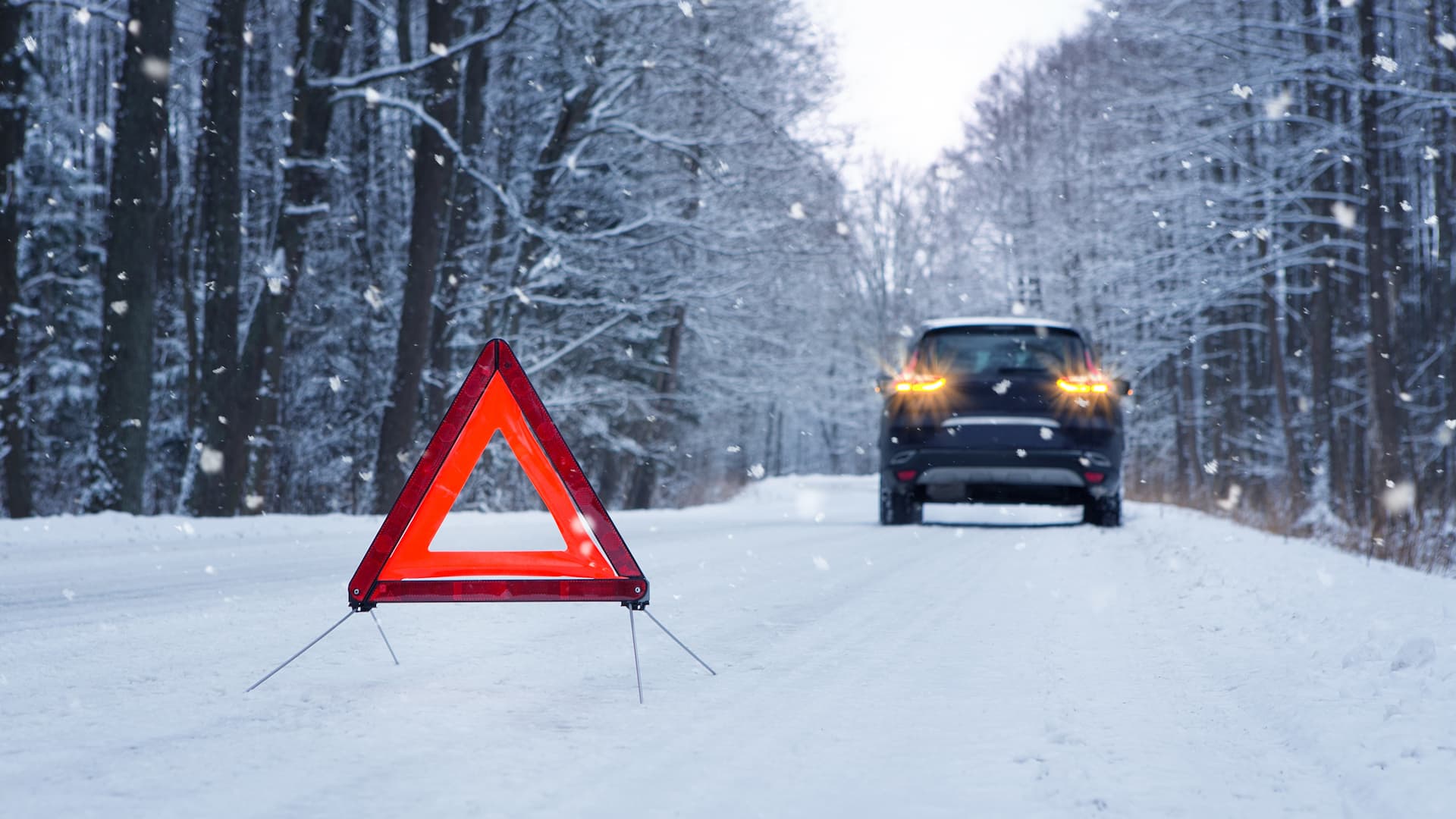
Proactive winter car care and tune-ups prepare your vehicle for low temperatures and unexpected breakdowns.
It’s essential to check your:
- Car battery and electrical connections to prevent no-start situations in cold weather.
- Automotive fluids such as engine oil, brake fluid, coolant, and windshield washer fluid to prevent freezing and wear.
- Ignition and combustion components for reliable cold starts.
- Tires and brakes to maintain traction on slippery roads.
- Visibility systems like windshield wipers.
- Heating systems for good cabin air quality and airflow.
We’ll deep dive into these winter car care checks and emergency preparedness for winter driving conditions. We’ll also share typical maintenance costs to help you plan better.
This Article Contains:
- 5 Essential Checks and Optimizations for Winter Car Care
- How Much Do Winter Car Maintenance Services Cost?
- What to Do in Case Your Car Breaks Down?
- How Long Can You Leave a Car Sitting in Winter?
5 Essential Checks and Optimizations for Winter Car Care
Whether you cruise in a sports car or a classic vehicle, freezing temperatures can quickly compromise a smooth driving experience. Seasonal maintenance and regular tune-ups help you spot potential issues early and prevent unexpected breakdowns.
Perform these essential checks and follow winter car maintenance tips to keep your engine running smoothly and avoid costly repairs in winter.
1. Battery Check
Winter puts extra strain on your car battery. As the temperature drops, so does the battery’s starting power. This makes aging car batteries especially prone to sudden failure.
Here’s what to check to identify potential issues with your battery and address them before winter arrives:
- Test the battery and clean the terminals: Use a multimeter to check whether the battery can hold a charge. If you see any powdery buildup on the terminals, disconnect the battery and clean the corrosion off with a brush before reconnecting.
- Keep the battery fully charged: A discharged battery can freeze in extreme cold, permanently damaging it. Regular driving or charging helps prevent this, ensuring safe driving throughout the season.
- Check the alternator and electrical connections: A healthy car battery requires a functional alternator and secure electrical connections to charge properly while the engine runs.
- Replace aging batteries proactively: If your battery is around three to five years old, it is more likely to fail once winter hits. Replacing it early can save you from a no-start situation.
- Confirm cold cranking amps (CCA): The battery must meet your vehicle’s CCA rating. Cold weather demands more starting power, even from batteries that seem fine in warmer months.
- Consider a battery blanket or warmer: In extremely cold climates, these help maintain stable battery temperatures and improve cold starts.
2. Fluid Checks
Low temperatures put extra stress on your vehicle’s fluids. Follow these maintenance tips to prevent freezing, protect the engine, and keep everything running smoothly in cold weather:
- Check and maintain coolant or antifreeze levels: Use a hydrometer to check that the coolant mixture meets your manufacturer’s recommendation. It’s typically a 50:50 mix of antifreeze and water. If the coolant looks dirty or discolored, flush the system and refill it with the correct coolant specified for your vehicle.
- Inspect hoses and seals: Check all radiator and heater hoses for cracks, bulging, or hardening. These are signs the hose may fail when exposed to cold temperatures or engine pressure.
- Switch to winter-grade oil for the engine: Change to the manufacturer-recommended engine oil viscosity for winter. Thinner oil flows more easily in cold weather and helps protect the engine’s moving parts during cold starts.
- Top off the fuel tank: Keep the fuel tank at least half full during winter. This helps reduce moisture buildup and lowers the risk of fuel-line freezing in colder months.
3. Combustion System Checks
Your engine needs the right mix of spark, air, and fuel to operate efficiently. However, colder temperatures make maintaining that balance more challenging.
- Inspect the ignition system: Check spark plugs for wear, coils for cracks, and wiring for loose connections or visible fraying to ensure smooth and reliable cold starts.
- Check the PCV valve: Make sure the valve isn’t clogged, which helps the engine idle smoothly and reduces moisture buildup in cold weather.
4. Traction, Stopping, and Visibility
Safe winter driving demands better grip, clear visibility, and more time and distance for braking.
Here’s what you can do to maintain reliable traction on a winter road:
- Check tire pressure regularly, since cold air lowers pressure and reduces your grip on slippery roads.
- Make sure the TPMS (tire pressure monitoring system) is working properly.
- Measure tire tread depth — worn tires lose traction quickly on snow and ice.
- Inspect for alignment issues that can reduce control on slippery roads and cause tires to wear unevenly.
- Check the spare tire and jack to ensure they’re in good condition and ready to use in winter emergencies.
- Consider snow or winter tires if you frequently drive in icy conditions. Winter tires provide better grip during the winter months, ensuring safe driving.
Take these steps to ensure braking safety:
- Have a mechanic inspect brake pads and rotors for wear and ensure your brake lights are functional.
- Check brake fluid level and condition. Old fluid can absorb moisture, which affects braking performance in cold temperatures.
And here’s how you can maintain clear visibility:
- Check and replace windshield wiper blades if needed, since worn blades streak and struggle to clear snow, ice, and slush.
- Refill the windshield washer fluid, using a winter-rated formula that won’t freeze in cold temperatures.
- Check your headlights and ensure they’re clean and functioning properly, allowing you to see the road clearly and remain visible to other drivers.
5. Vehicle Protection and Emergencies
These steps help protect your vehicle and prepare you for cold weather surprises:
- Wash and wax the vehicle to protect the paint from road salt.
- Check the heating system to ensure the heater delivers warm air and the defroster and blower work properly.
- Replace the cabin air filter to ensure the blower motor functions efficiently and delivers a steady stream of warm air without obstruction. It also helps preserve healthy cabin air quality if your vehicle is stuck in icy conditions.
- Clean the undercarriage, where road salt buildup can cause rust over time during the winter season.
- Check for exhaust leaks to prevent carbon monoxide from building up inside the cabin during winter, when windows typically remain closed.
And don’t forget to prepare a winter emergency kit that stocks all the essentials, including:
- Flashlight or lantern
- Jumper cables
- Spare tire and jack
- Blanket, gloves, and a warm hat
- Small shovel
- Snacks for warmth and energy
- Emergency contact and personal information
You can find the complete list of 20 items to stock in your winter emergency kit in our detailed post.
Harsh winter conditions can severely damage your vehicle if left unaddressed. These tips, combined with a professional mechanic’s visit, will fully prepare you for the challenges the winter season brings.
It’s also a good idea to check how much the winter car maintenance services can cost.
How Much Do Winter Car Maintenance Services Cost?
The cost of winter car maintenance services can vary depending on your location and the services needed.
Here are the cost estimates for some of these top-ups and replacements:
- Windshield wiper fluid: $1 to $10 per gallon
- Engine oil replacement: $30 to $100
- Car battery replacement: $120 to $480
- Winter or snow tires: $50 to $200 for four tires
- Brake fluid replacement: $80 to $130
Does your car insurance cover damage caused by the winter season?
If yes, visit your car insurance provider to understand the coverage and do some cost savings.
But, despite the precautions and pre-emptive repairs, your vehicle may still experience a breakdown or become unfit to drive while braving the harsh weather.
Let’s look at a few things you must do when that happens.
What to Do in Case Your Car Breaks Down?
Sub-zero temperatures and poor lighting conditions in winter can make a breakdown particularly hazardous. But you can minimize the risk with these tips:
- Before heading out, ensure that you have the phone numbers of emergency roadside services stored in your phone.
- If you’re traveling a long distance or along isolated roads, it’s a good idea to let people know where you’re going and update them once you have arrived.
- Use windshield wipers to clear snow, ice, or moisture from the glass. This will help maintain clear visibility, which is vital for safe driving and situational awareness while waiting for help.
- In the event of a breakdown, call for help immediately and use your emergency kit. Grab a blanket, food, water, and the first aid kit. Keep your ice scraper handy in case your windshield or windows freeze.
- Ensure your car is off the icy roads as much as possible, and activate your headlights and taillights to ensure your car is visible to other motorists.
- Run the heating system intermittently to stay warm while conserving fuel and preventing carbon monoxide buildup.
Breakdowns aren’t the only winter concern—leaving your car unused for too long can cause problems as well.
How Long Can You Leave a Car Sitting in Winter?
It’s best not to leave your car sitting unused for more than one to two weeks in winter weather.
Low temperatures can drain the car battery faster, reduce tire pressure, and affect fluid performance.
If the car will sit for a while, start it every few days or take a short drive to help keep the battery charged and the vehicle in good condition.
Get Your Car Winter-Ready with AutoNation Mobile Service
A cold winter month brings challenges like icy roads and freezing temperatures, so prioritizing a winter tune-up becomes essential.
From battery and fluid checks to safety prep, our winter car care tips help you stay prepared for winter driving conditions.
But if it feels too much of a task, get AutoNation Mobile Service to do the job for you!
Our team of experienced technicians is available seven days a week and will come to your location. We offer upfront pricing and a 12-month | 12,000-mile warranty on all repairs.
Fill out this form to have our mechanics handle your winter car care.