
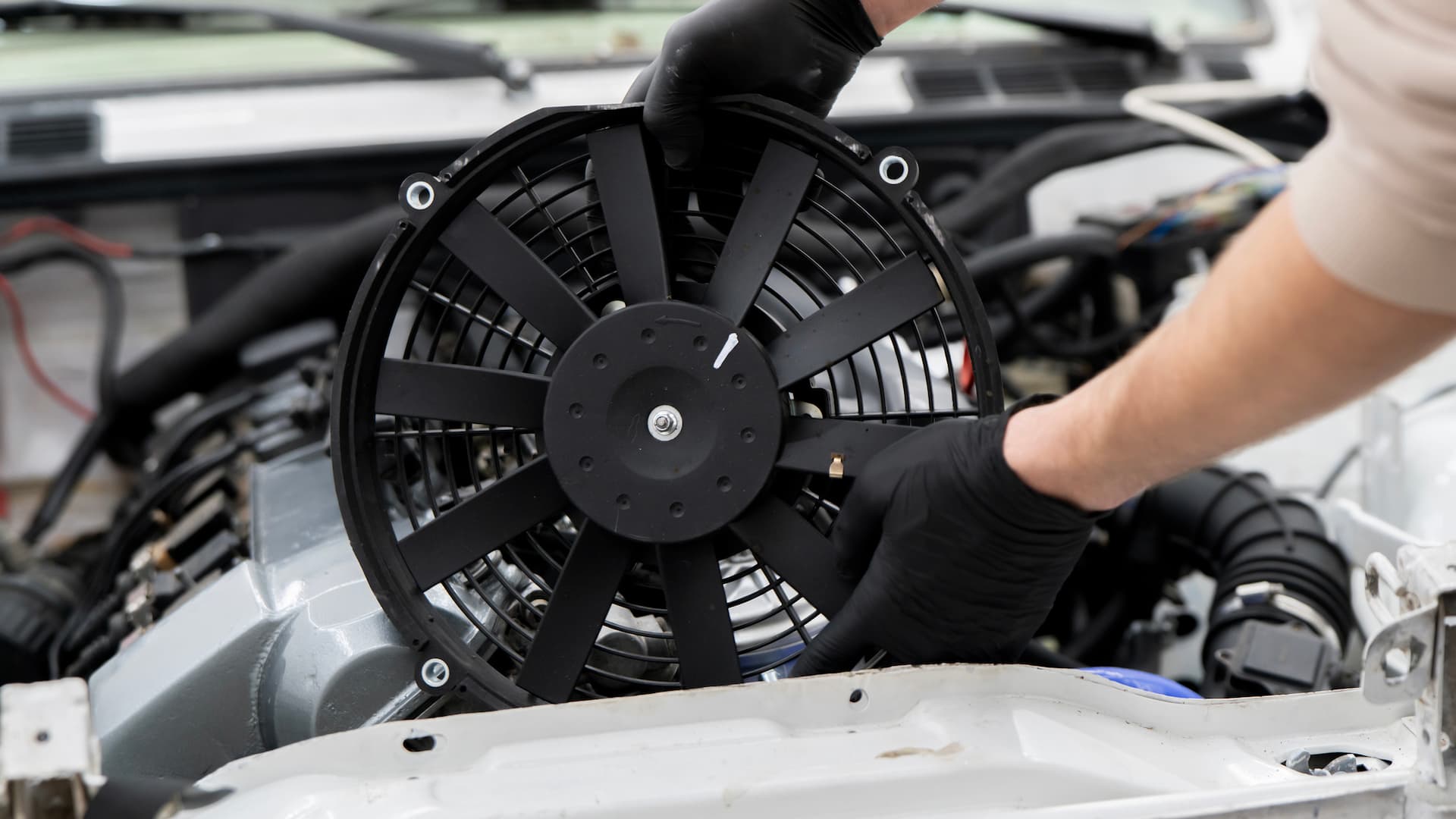
Does your car stay cool on the move but start sweating at a red light?
A failing radiator fan could be the culprit.
While replacement costs typically range from $150 to $900, delaying the fix can lead to serious engine damage and more expensive repairs.
Wondering what to do next?
Here’s everything you need to know about radiator fan replacement cost — from pricing factors, repair process, to warning signs and maintenance tips.
This Article Contains:
- How Much Does a Radiator Fan Replacement Cost?
- Is It Worth Replacing a Damaged Radiator Fan?
- What Are Some Signs You Need a Radiator Fan Replacement?
- How Long Does a Radiator Fan Last?
- How to Diagnose a Damaged Radiator Fan and Replace It
- 3 Essential Maintenance Tips to Extend the Life of Your Radiator Fan
How Much Does a Radiator Fan Replacement Cost?
Here’s a breakdown of the expenses:
A. Range
The average cost to replace a radiator fan is between $150 and $900.
This includes:
- Replacement part cost: $50 to $500
- Labor cost: $100 to $400
B. Factors Affecting Cost
These factors can influence your final bill:
- Vehicle make and model: Parts for economy cars are usually cheaper than those for luxury or performance vehicles. Premium models often use specialized components and have more complex designs, increasing both part and labor costs.
- Type of radiator fan:
- Mechanical vs. electric fans: Mechanical fans are engine-driven, simpler in design, and more affordable. Electric fans rely on the vehicle’s electrical system, offer better control and efficiency, and are typically more expensive. In modern vehicles, electric fans are the standard, while mechanical fans are mostly limited to older or heavy-duty vehicles.
- Single vs. dual-fans: Single-fan setups use one fan and are more affordable, making them suitable for most standard vehicles. Dual-fan setups use two fans for increased airflow and cooling performance, but are more expensive because of the added parts and complexity.
- Mechanical vs. electric fans: Mechanical fans are engine-driven, simpler in design, and more affordable. Electric fans rely on the vehicle’s electrical system, offer better control and efficiency, and are typically more expensive. In modern vehicles, electric fans are the standard, while mechanical fans are mostly limited to older or heavy-duty vehicles.
- Location: Labor costs are higher in major cities than in rural areas due to higher overhead expenses, such as rent, wages, and repair shop operating costs. Prices may also vary depending on whether you choose a dealership or an independent shop.
- OEM vs. aftermarket parts: An Original Equipment Manufacturer (OEM) replacement part costs more but ensures proper fit and reliability because it’s made to the manufacturer’s exact specifications. Meanwhile, aftermarket parts are cheaper, but their quality can be inconsistent.
- Related repairs: If the mechanic identifies a faulty radiator during the fan replacement, it’ll also need to be replaced, increasing the overall average cost. For instance, a radiator replacement can add around $1,100 to $1,260 to the total repair bill.
But does replacing a bad radiator fan justify the cost?
Let’s explore.
Is It Worth Replacing a Damaged Radiator Fan?
Yes, it is.
Replacing a faulty radiator fan prevents engine overheating and keeps your cooling system functioning properly.
Ignoring a damaged fan can lead to serious and expensive damage, such as engine failure or a blown head gasket. It can also affect your car’s AC performance, especially in slow traffic or while idling.
That’s why it’s important to watch for red flags that indicate your radiator cooling fan may be wearing out.
What Are Some Signs You Need a Radiator Fan Replacement?
Watch out for these symptoms of a faulty radiator fan:
- Fan not turning on: If the radiator fan doesn’t activate, it’s a strong indicator of a problem. However, issues like a faulty engine coolant temperature sensor or wiring faults can also cause this.
- Fan running constantly: If the fan stays on even when the engine is cool, it may indicate a faulty coolant sensor, relay, or control module. You may hear the fan running loudly even when the engine is cool or right after startup.
- High temperature warning: If the temperature gauge rises above normal when you’re idling in stop-and-go traffic, your engine may be overheating. However, if the temperature gauge drops back to normal once you start moving, it points to a faulty radiator fan.
NOTE: Engine overheating can also be caused by other issues, such as low coolant levels, thermostat problems, or water pump failure.
- Poor AC performance: The radiator fan helps cool the AC condenser. A faulty fan can lead to weak or ineffective air conditioning, especially at low speeds.
- Unusual noises: Clicking, buzzing, or loud whirring sounds from the engine bay may indicate a problem with the radiator fan, such as damaged blades, debris interference, or a failing fan motor.
Apart from these warning signs, the fan’s age can also influence whether a replacement is necessary.
How Long Does a Radiator Fan Last?
In most cases, a well-maintained fan can last around eight to ten years, but its lifespan depends on factors like vehicle type, driving conditions, and climate.
Exposure to heavy traffic, extreme heat, or dust can cause it to wear out sooner.
Whether you’re noticing clear red flags or dealing with an aging radiator fan, replacement is often the most reliable solution.
How to Diagnose a Damaged Radiator Fan and Replace It
Replacing or diagnosing a radiator fan involves working around hot engine components, electrical systems, and moving parts that can cause injury if handled improperly.
A professional mechanic has the tools and expertise to safely diagnose the issue and carry out the repair.
Here’s how the mechanic will proceed:
A. Diagnosis
- Open the hood, secure it, and allow the engine to cool completely.
- Visually inspect the radiator fan and shroud for broken blades or obstructions.
- Apply direct 12V power to the fan motor (by connecting its terminals directly to a 12-volt power source, usually the car battery) to check if it spins. No movement points to a faulty motor or assembly.
- Run the engine or switch on the AC to see if the fan activates under normal conditions.
- If the fan works with direct power but not normally, check the coolant temperature sensor and AC pressure switch.
- Inspect fuses, relays, and wiring for faults like blown fuses or loose connections.
- For mechanical fans, check the fan clutch for proper engagement.
If the radiator fan fails any of these checks, the mechanic will proceed with the replacement.
B. Replacement Process
- Disconnect the negative battery cable to prevent electrical short circuits.
- Remove components, such as shrouds, panels, or brackets, that block access to the fan assembly.
- Unplug the radiator fan’s electrical connector from the wiring harness.
- Unbolt the fan assembly from its mounting points using the appropriate socket or screwdriver, then pull the assembly clear of the engine bay.
- Position the new cooling fan assembly on the mounting surface, aligning the bolt holes correctly.
- Insert and tighten all bolts and fasteners to secure the new assembly in place.
- Reconnect the fan’s electrical connector to the wiring harness.
- Reinstall any components removed in reverse order of removal.
- Reconnect the negative battery cable.
- Start the engine and activate the air conditioning to trigger the fan, then verify it spins smoothly.
After dealing with a damaged fan, focus on preventing future failures.
3 Essential Maintenance Tips to Extend the Life of Your Radiator Fan
These simple practices can help prolong the life of your radiator fan:
- Keep the radiator and fan area clean: Regularly clean the area to remove dirt and debris, helping maintain proper airflow and preventing overheating.
- Check coolant level regularly: Maintaining proper coolant level prevents the fan from overworking to keep the engine cool.
- Inspect wiring, relays, and fuses: Have a mechanic periodically check these components to catch electrical issues early and avoid fan failure.
Handle Radiator Fan Issues the Easy Way
A failing radiator fan can turn your car into a sauna on wheels — and it’s not great for your engine either.
No time for a shop visit?
AutoNation Mobile Service comes to you, with expert technicians available seven days a week, upfront pricing, and zero surprises. And yes, there’s a 12-month | 12,000-mile warranty too.