
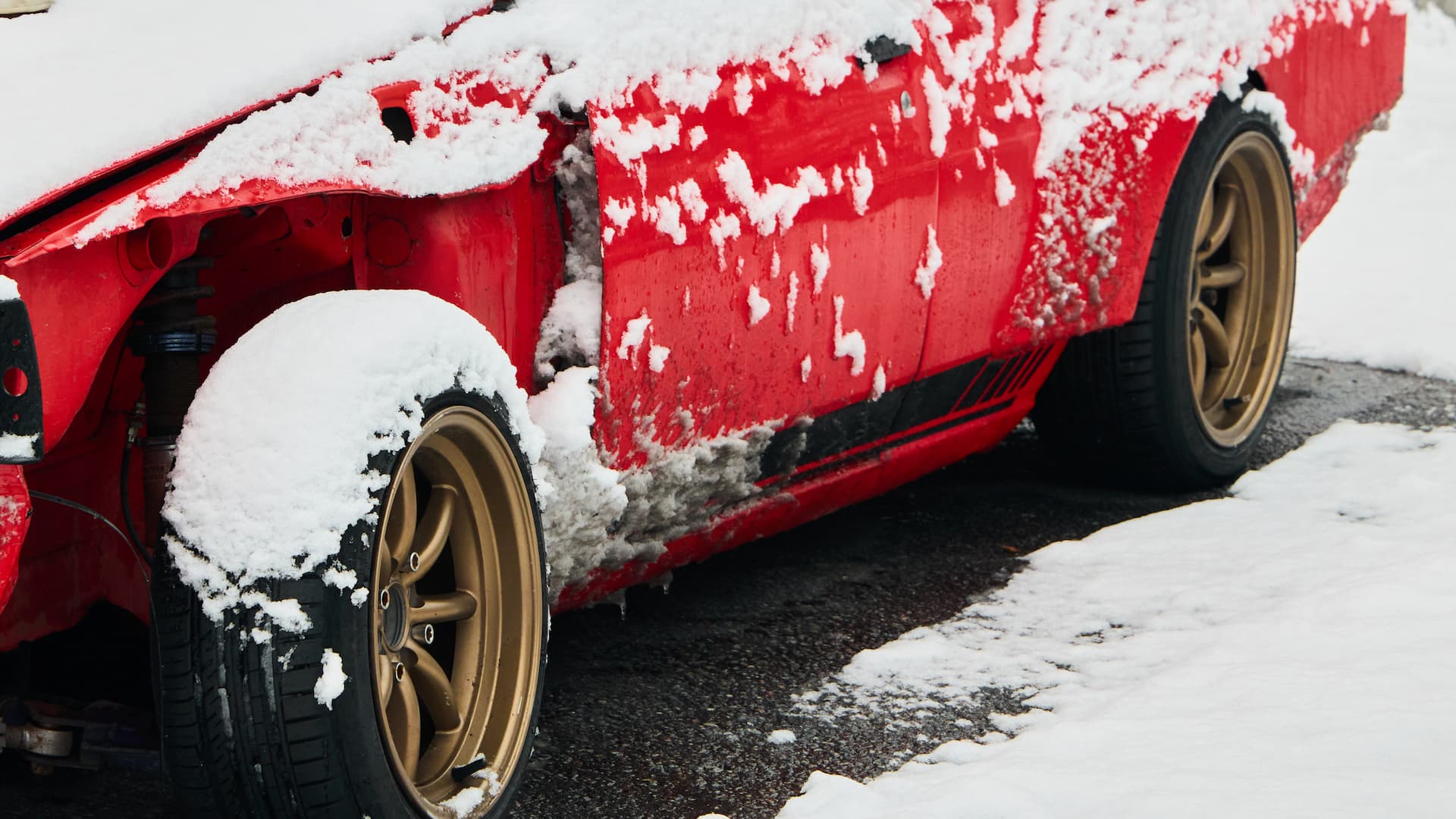
Driving on snow- and ice-covered roads can be tough on your car. While road salt helps reduce slippery conditions, it can also accelerate rust and corrosion. Over time, that damage can affect everything from your car’s paint to important components underneath it.
Fortunately, a few simple maintenance habits can help protect your car from road salt damage throughout winter.
Let’s explore why road salt is harmful, how to protect your vehicle, and what to do if corrosion has already started.
Why Is Road Salt Bad for Your Car?
Road salt helps melt snow and ice, making winter roads safer to drive on. However, when salt mixes with water and oxygen, it accelerates the corrosion of exposed metal surfaces.
This can affect several parts of your vehicle:
- Undercarriage: The frame, suspension components, and other exposed metal parts can develop rust.
- Brake and fuel lines: Corrosion can weaken these lines, potentially creating serious safety risks.
- Exhaust system: Rust can damage exhaust pipes, mufflers, and their connections.
- Paint and body panels: Salt can contribute to corrosion around exposed metal, paint chips, and scratches.
- Wheel wells: Salt, slush, and debris can accumulate in tight spaces, increasing the risk of rust.
Vehicles driven regularly in snowy states such as Michigan, New York, and Minnesota face greater exposure to road salt during winter.
How to Prevent Road Salt Damage to Your Car
You don’t need an elaborate maintenance routine to protect your vehicle. These six practical steps can make all the difference:
1. Wash Your Car Regularly
Salt residue can accumulate on exterior surfaces after driving through treated roads, especially during snowstorms.
To minimize buildup:
- Wash your car approximately every two weeks during winter, or more frequently after heavy salt exposure.
- Choose a touchless car wash when possible to reduce the risk of scratching your paint.
- Use automotive cleaning products rather than household dish soap.
- Pay extra attention to areas where salty slush collects.
Quick tip: Don’t wait until your car looks dirty. Salt residue can remain on surfaces even when the vehicle appears relatively clean.
2. Don’t Forget the Undercarriage
While washing your car’s exterior helps protect its paint, the undercarriage deserves just as much attention.
Road salt can collect around suspension parts, brake lines, and other metal components underneath your vehicle. Choose a car wash that offers undercarriage cleaning, particularly after driving on heavily salted roads. This helps remove hidden deposits before they contribute to long-term corrosion.
3. Apply a Protective Coat of Wax
Car wax does more than improve your vehicle’s shine. It creates a protective layer over painted surfaces, helping reduce exposure to moisture, dirt, and salty residue.
Apply a fresh coat before winter begins and reapply according to the product’s instructions.
Remember, waxing helps protect your paint, but it doesn’t replace regular washing or prevent corrosion on unprotected underbody components.
4. Repair Paint Chips and Scratches Early
Small paint chips might seem harmless, but they can expose bare metal to moisture and road salt.
Inspect your vehicle regularly for:
- Chipped paint around the hood and front bumper.
- Scratches exposing metal.
- Rust developing around wheel arches.
- Damaged paint along lower door panels.
Promptly repairing minor paint damage can help prevent corrosion from spreading.
If rust has already formed, it must be treated properly before repainting.
5. Consider Rustproofing or Undercoating
If you live in an area with harsh winters, a professionally applied corrosion-resistant treatment may provide additional protection.
However, these treatments aren’t suitable for every vehicle.
Have a qualified professional inspect the underbody and confirm the coating is compatible with your vehicle. Avoid applying protective products over existing rust, trapped moisture, or components that shouldn’t be coated.
6. Keep Your Vehicle Dry When Possible
Moisture plays an important role in corrosion, so reducing prolonged dampness can help.
Clear snow and slush from wheel wells when practical, keep body drainage openings free of debris, and avoid leaving wet floor mats inside your vehicle.
Parking in a dry, well-ventilated space can also help, although a warm garage isn’t a substitute for removing accumulated salt.
How Do You Know If Road Salt Has Already Damaged Your Car?
Even with preventive care, corrosion can develop over time.
Watch for these warning signs:
- Orange or reddish-brown spots: Visible rust around wheel wells, doors, or exposed metal surfaces.
- Flaking or bubbling paint: Possible corrosion developing beneath the finish.
- Unusual exhaust noise: A louder exhaust may indicate a rust-damaged pipe or muffler.
- Changes in braking: A soft brake pedal, fluid leaks, or brake warning lights may signal a serious problem.
Important: If your brake pedal suddenly feels soft, you notice a suspected brake-fluid leak, or a critical brake warning appears, stop driving safely and arrange professional assistance.
- Corroded underbody components: Heavy scaling or weakened metal may require professional attention.
Not every symptom confirms salt-related damage, but these signs deserve inspection.
AutoNation Mobile Service brings professional auto maintenance and repair directly to your home or office, with convenient online booking and transparent upfront pricing.
Taking care of small problems today can help prevent more expensive repairs tomorrow.