
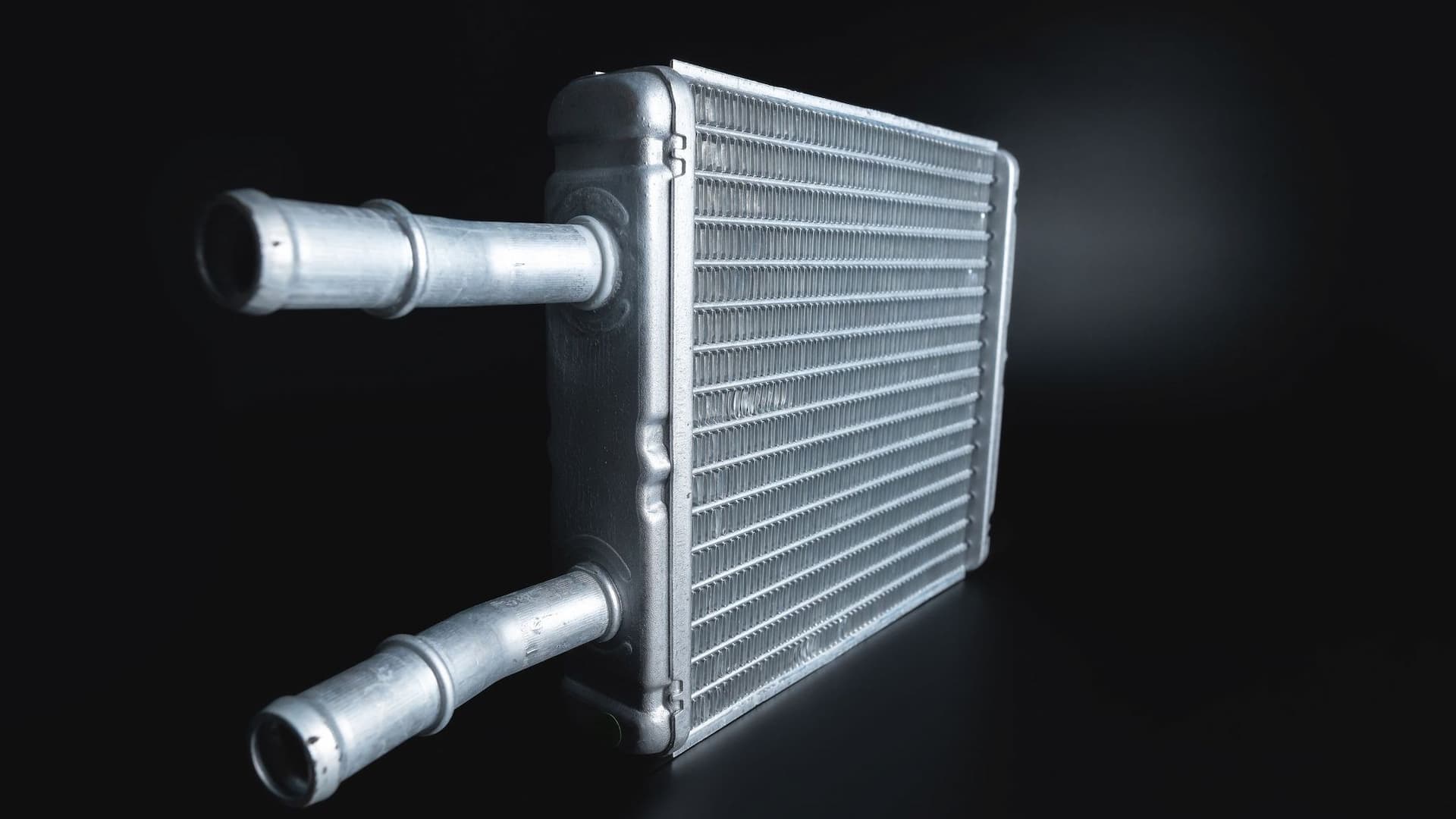
You’re driving on a freezing morning. The windshield starts fogging up, so you turn the heater on full blast…but cold air keeps blowing through the vents.
That’s more than just an inconvenience — it’s often a sign your heater core has failed.
And here’s the part most drivers don’t expect: replacing a heater core usually costs $1,200 to $1,900, mainly because mechanics have to remove large portions of the dashboard to access it.
But is an entire replacement worth it?
Or, is it better to fix the component instead?
In this guide, we’ll break down the average heater replacement cost and answer all your other burning questions.
This Article Contains:
- How Much Does a Heater Core Replacement Cost?
- 4 Factors Affecting the Heater Core Replacement Cost
- Is It Worth Replacing a Faulty Heater Core?
- 5 Common Signs You Need a Heater Core Replacement
- Can You Replace a Heater Core Yourself?
- Can You Fix a Heater Core Without Replacing It?
- How Long Do Heater Cores Last?
Let’s dive in!
How Much Does a Heater Core Replacement Cost?
The average cost to replace a faulty heater core ranges from $1,200 to $1,900. This depends on factors like labor charges and the make and model of your vehicle.
Here’s the cost breakdown:
- Parts: $400-$600
- Labor: $800-$1,300 (takes 6-10 hours, depending on vehicle design)
NOTE: If you’re not ready for a full heater core replacement, you can ask a mechanic about temporarily bypassing the heater core. This involves rerouting the heater hoses to stop coolant from flowing through the leaking core. Because it doesn’t require dashboard removal, a bypass typically costs around $100 to $300, depending on labor rates and parts used. Keep in mind, this is only a temporary solution — you’ll lose cabin heat and defrost performance until the heater core is properly replaced.
Now, what goes into that cost exactly?
4 Factors Affecting the Heater Core Replacement Cost
Below are the key factors a skilled mechanic will consider when quoting you for a heater core replacement:
- Vehicle make and model: It’s generally cheaper to replace the heater core in common vehicles like Toyota, as parts are easier to find and labor is simpler. Luxury vehicles (like BMW) or newer models often have tightly packed dashboards and complex air conditioning systems, which make the job more time-consuming and expensive. Additionally, sourcing these parts is often harder.
- Parts quality (OEM vs aftermarket): OEM (Original Equipment Manufacturer) heater cores are pricier but provide a perfect fit and better reliability. Aftermarket options are cheaper, though they may not last as long or perform as efficiently.
- Location: Shops in high-cost areas or large cities usually charge more for labor, while independent or rural repair shops often charge lower hourly rates.
- Additional repairs: Costs can increase if other parts, such as hoses, clamps, or HVAC (heating, ventilation, and air conditioning) components, need replacement. Also, mechanics may charge you an extra $132 to $265 for a coolant flush if they find rust, sludge, or contamination in the cooling system.
Clearly, replacing your heater core isn’t cheap — so you may be wondering:
Is It Worth Replacing a Faulty Heater Core?
Yes. A working heater core is vital for ensuring a comfortable ride and for keeping your engine running at the right temperature.
Here’s what you need to know:
- The heater core doesn’t just warm the cabin — it also plays a key role in regulating your engine’s temperature and defrosting your windshield. A damaged or leaking core can cause coolant loss, engine overheating, and fogged windows, all of which compromise safety and drivability.
- Ignoring the issue can lead to far costlier repairs, such as engine or head gasket damage. While heater core replacement can be pricey due to labor, it’s a necessary investment to keep your car running safely and efficiently.
But how do you know if you need a replacement urgently?
5 Common Signs You Need a Heater Core Replacement
Here are the top warning signs to watch for:
- Loss of cabin heat: If your heater is blowing cool or lukewarm air even when set to the highest temperature, the heater core may be clogged or leaking. This happens when coolant can’t properly circulate through the core’s small passages.
- Sweet or coolant smell inside the vehicle: A distinct sweet odor in the cabin is a common sign of a leaking heater core. This usually means coolant is escaping into the HVAC system and evaporating into the air vents.
- Foggy windows: When coolant leaks inside the cabin, it vaporizes and condenses on windows. This causes persistent fogging or greasy residue that’s difficult to wipe off. Now, this is both a visibility and a safety hazard.
- Coolant loss without a visible external leak: If your coolant level keeps dropping but you can’t find an external leak, the heater core may be the hidden culprit. Leaks inside the dashboard or HVAC housing can cause slow coolant loss over time.
- Overheating engine when the heater is on: Because the heater core is part of the cooling system, a blockage or leak can disrupt coolant flow and lead to engine overheating, especially when the heater is running.
Thinking about saving costs and doing the replacement yourself?
It probably isn’t the best idea:
Can You Replace a Heater Core Yourself?
No, you shouldn’t try to replace the heater core yourself, as the process is highly complex. The job involves draining the coolant, removing large sections of the dashboard, disconnecting HVAC components, and carefully reassembling everything.
Due to the extensive disassembly required, mistakes can result in coolant leaks, electrical damage, or HVAC malfunctions.
For these reasons, it’s always best to leave this repair to an experienced mechanic who will complete the job safely and correctly.
Now, here’s how a mechanic would replace the heater core:
- Disconnect the battery and drain the coolant to prevent spills or electrical shorts.
- Remove the dashboard, glove box, and surrounding panels to access the HVAC unit.
- Take out the air ducts and covers to expose the heater core.
- Disconnect heater hoses, wiring, and clamps attached to the old core.
- Unbolt and carefully remove the faulty heater core from the housing.
- Install the new heater core, then reconnect all hoses, wiring, and brackets.
- Reassemble the dashboard and interior components in reverse order.
- Refill the coolant, reconnect the battery, and test the heating system for proper operation.
Want a detailed step-by-step guide?
Check out our article on How to Replace a Heater Core (+5 Signs to Do It ASAP).
Now you may be wondering…
Can You Fix a Heater Core Without Replacing It?
Yes, but only in certain cases.
If the heater core has a small leak, a mechanic may be able to fix it by adding radiator sealant to the cooling system. This can seal tiny openings without removing the core. However, this is only a short-term solution.
Severe clogs, corrosion, or large leaks usually mean the heater core needs full replacement. In such cases, it isn’t recommended to repair it, as this can lead to more damage or coolant loss over time.
What also helps is contextualizing the age of your heater core, as they do have a rough lifespan — after which, they need to be replaced.
How Long Do Heater Cores Last?
A heater core typically lasts 8 to 15 years, depending on vehicle maintenance and driving conditions. However, poor-quality coolant, corrosion, or sludge buildup can significantly shorten its lifespan.
NOTE: Insurance may cover your heater core replacement cost if the component was damaged in an accident.
Ensure Reliable Heating and Cooling with AutoNation Mobile Service
Replacing a failing heater core is an excellent investment in your vehicle’s health and your own ride comfort. A new core restores heat, prevents coolant leaks, and protects your engine from costly future damage.
Need a hassle-free way to replace your heater core?
The answer is AutoNation Mobile Service.
Our qualified technicians will come to you and complete the job right from your driveway. And for your peace of mind, we offer a 12-month, 12,000-mile warranty.
Book an appointment with us, and we’ll ensure your car’s heater stays reliable through every season.