
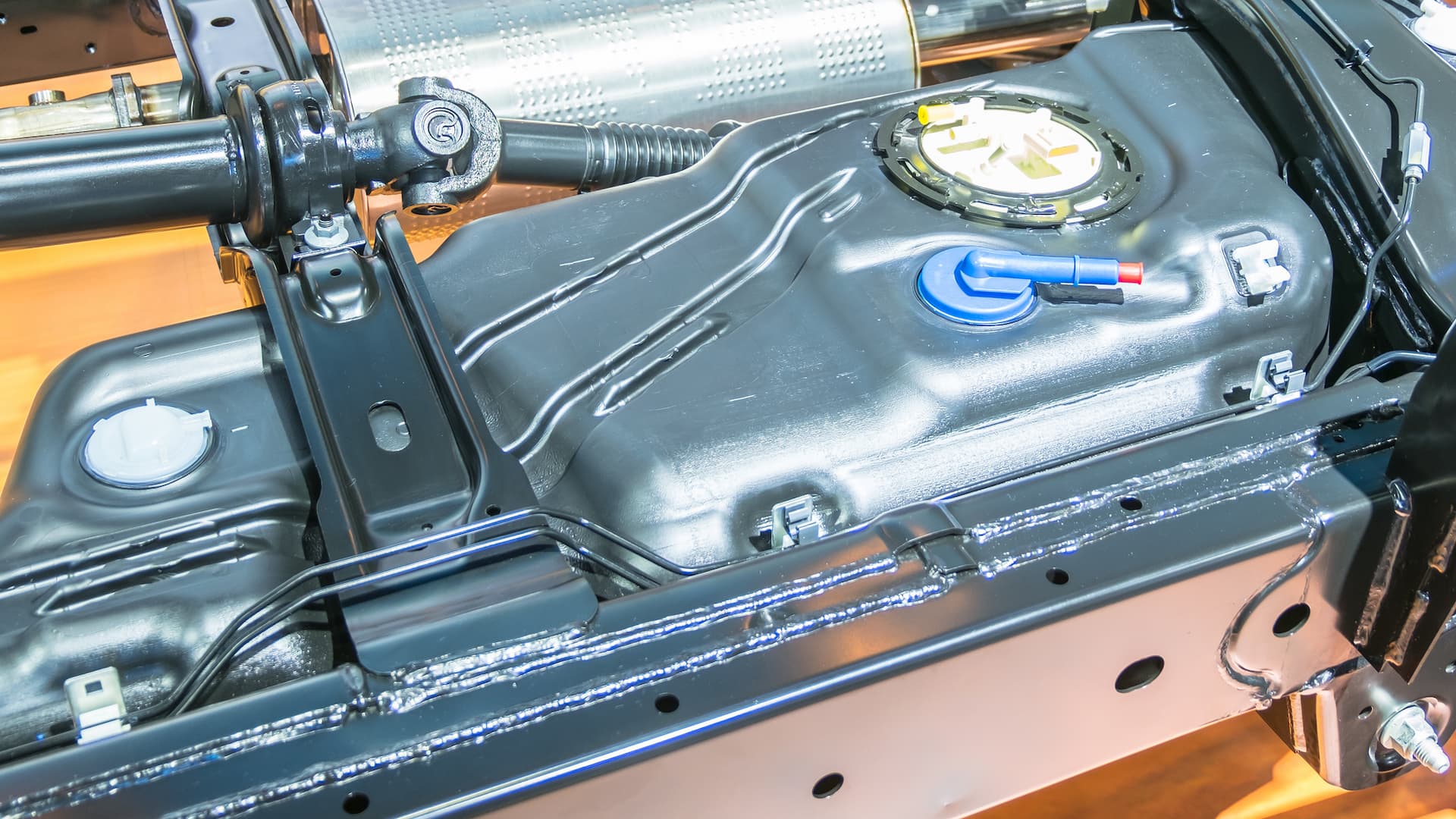
Smelling gasoline near your car and spotting wet patches underneath?
This could mean your fuel tank is leaking.
Replacing it typically costs between $350 to $2,500. Ignoring the issue can harm your fuel system and also put your safety at risk.
Not sure where to begin?
We’ll walk you through fuel tank replacement cost, how the process works, and what to look out for — along with smart ways to cut down on expenses.
This Article Contains:
- How Much Does a Fuel Tank Replacement Cost?
- Is It Worth Replacing a Damaged Fuel Tank?
- What Are Some Signs You Need a Fuel Tank Replacement?
- How Long Does a Fuel Tank Last?
- How to Diagnose a Damaged Fuel Tank and Replace It
- How to Save Money While Replacing a Fuel Tank
- Are Fuel Tanks Covered Under Vehicle Warranty?
How Much Does a Fuel Tank Replacement Cost?
Here’s a breakdown of the expenses:
A. Range
The average replacement cost is between $350 to $2,500.
This includes:
- Parts cost: $150 to $1,400
- Labor cost: $200 to $1,100
NOTE: The job may take 2 to 6 hours, depending on the repair’s complexity.
B. Factors Affecting Cost
These factors can influence your final bill:
- Vehicle make and model: Parts for economy vehicles are usually more affordable than those for luxury or performance models. Premium vehicles often use specialized components, advanced materials, and brand-specific designs that cost more to manufacture and replace.
- Type of fuel tank: Fuel tanks come in three types: Plastic, Steel, and Aluminum. Plastic tanks are lightweight and usually fall in the mid- to high-end price range, while steel tanks range from more affordable to moderately priced. Aluminum tanks are durable, corrosion-resistant, and usually the most expensive.
NOTE: The tank size also plays a key role in pricing, as larger tanks require more material and can increase costs. - Location: Areas with a higher cost of living, such as major cities, typically have higher labor rates than small towns.
- OEM vs. aftermarket parts: Original Equipment Manufacturer (OEM) tanks tend to be more expensive than aftermarket options because they meet exact factory standards and ensure a precise fit.
- Related repairs: During a fuel system inspection, if a mechanic determines the fuel pump is damaged, they may replace it. This can add around $1,100 to $1,300 to your total cost.
But is replacing a damaged fuel tank really worth the cost?
Let’s find out.
Is It Worth Replacing a Damaged Fuel Tank?
Yes, it is.
A leaking fuel tank can quickly become a serious safety risk, as fuel leaks increase the risk of fire and damage to nearby components.
Moreover, even a small leak can lead to significant fuel loss over time. That’s why a leaking tank can cause your vehicle to run out of fuel unexpectedly, leaving you stranded at inconvenient locations.
Beyond safety, leaking fuel also harms the environment by contaminating soil, air, and groundwater.
Luckily, your vehicle will often alert you before the situation gets this bad.
What Are Some Signs You Need a Fuel Tank Replacement?
Here are some tell-tale symptoms of fuel tank issues:
- In modern vehicles, an illuminated check engine light can indicate issues within the fuel system.
- If you notice fuel pooling beneath your vehicle and smell strong gasoline odors around the car, a leak is likely.
- Corrosion and wear on the fuel tank, often spotted during inspection, indicate structural weakening. This is typically caused by prolonged exposure to moisture, road salt, and age.
- Starting issues, hesitation, or stalling in your vehicle can mean that rust and debris from an aging tank are clogging the filters or injectors.
- If the fuel pump nozzle repeatedly shuts off while you’re filling up, it could indicate a malfunction in the fuel tank system.
In addition to these signals, it’s important to factor in the age of your fuel tank when deciding on a replacement.
How Long Does a Fuel Tank Last?
A fuel tank typically lasts around 10 to 15 years, depending on the vehicle type and driving conditions. If your car is older, it may be worth considering a replacement, even if there are no visible problems yet.
Once you’re convinced that the replacement is necessary, contact a technician ASAP to proceed with the repair.
How to Diagnose a Damaged Fuel Tank and Replace It
Replacing a fuel tank is a complex job that involves working with flammable materials, draining the fuel, and disconnecting the fuel lines. All of this carries a real risk of injury or damage if done incorrectly.
A trained mechanic has the tools, experience, and safety equipment to perform a fuel tank repair safely and correctly.
Here’s how they’ll go about it:
A. Diagnosis
- Position the vehicle in a well-ventilated area and ensure a fire extinguisher is on hand before beginning work.
- Connect a scan tool and check OBD codes for EVAP-related faults to identify leaks or issues in the fuel and emissions system. If any fault codes appear, the mechanic will take note of them.
- Raise the vehicle using a floor jack and support it on jack stands to access the fuel tank underneath.
- Remove or disconnect components obstructing access to the fuel tank, such as protective shields, fuel tank straps, or exhaust sections.
- Inspect visually for cracks, corrosion, dents, or stains by checking the tank, fuel lines, and surrounding area.
- Do a dye or smoke test to detect hidden leaks not visible during inspection.
- Close the EVAP valves and monitor the pressure sensor (drop = leak, steady = intact).
- Open the valves and check the pressure response to distinguish valve faults from tank issues.
- Test fuel pressure and inspect the fuel pump to ensure the engine is receiving the correct amount of fuel.
If these checks confirm fuel tank issues, they’ll replace the gas tank.
B. Replacement Process
Here’s a detailed look at the steps your mechanic will follow:
- Drain the fuel from the old tank using the stop valve on the tank body if present, or by detaching a fuel line and directing the fuel into a can.
- Ensure all connected lines from the old tank are detached — the small bottom line leading to the engine, the larger top fill line, and the air line that manages pressure.
- If the rear suspension blocks access, disconnect shocks and brake lines, support the suspension with a floor jack, and carefully lower the entire assembly.
- Remove the two metal retaining straps by unbolting them from the chassis, then lower and remove the old fuel tank.
- Position the replacement tank and secure it using the same metal straps and bolts.
- Reconnect all lines, suspension components, and brake lines in reverse order of removal.
- Fill the tank with the appropriate fuel.
- Start the vehicle and check for any fuel leaks or unusual smells.
A fuel tank repair isn’t quick, and the labor costs can add up. But there are ways to keep your budget in check.
How to Save Money While Replacing a Fuel Tank
Follow these strategies to keep your fuel tank replacement costs under control:
- Compare labor quotes by sharing complete vehicle details with different repair shops to receive accurate estimates and choose the best deal.
- Consider a quality aftermarket replacement tank that can offer similar performance at a lower cost than OEM parts.
- Bundle fuel system repairs into a single visit to reduce overall labor costs.
- Check for premium package offers that include extended warranty coverage and additional inspections.
As you look to manage costs, it’s also worth considering whether your vehicle warranty can help offset some of the expense.
Let’s explore this in more detail.
Are Fuel Tanks Covered Under Vehicle Warranty?
In most vehicles, the fuel tank is usually covered under the manufacturer’s basic (bumper-to-bumper) warranty if there’s a manufacturing flaw or premature failure. Depending on your manufacturer, this coverage may last between 3 years/36,000 miles and 5 years/60,000 miles.
In some cases, parts of the gas tank or EVAP system may also fall under emissions warranties.
Stop Fuel Tank Leaks Without Visiting a Shop
With gas prices already doing enough damage to your wallet, a leaking tank isn’t something you want to ignore.
No time to visit a repair shop?
AutoNation Mobile Service brings the fix to you — right in your driveway. Our mechanics are available seven days a week, with upfront pricing and no surprises.
And the bonus?
A 12-month | 12,000-mile warranty for added peace of mind.