
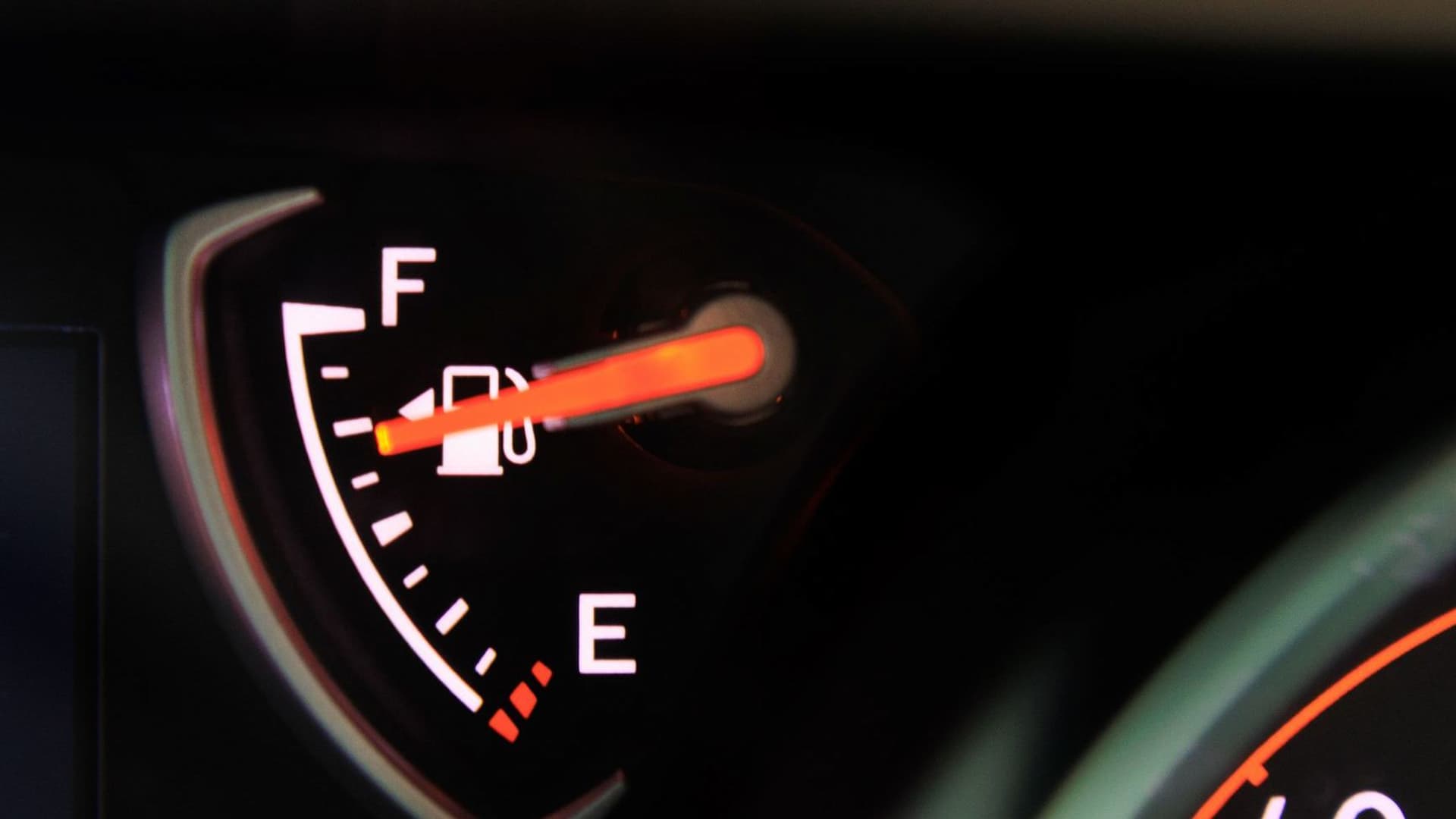
Tired of your fuel gauge showing the wrong fuel level?
Whether it reads empty when the tank is full, stays stuck on one reading, or fluctuates unexpectedly, a failing fuel level sensor is often to blame.
The good news is that fuel level sensor replacement is typically an affordable repair, with most drivers paying between $100 and $520, including parts and labor.
Below, we’ll provide a detailed cost breakdown of the typical fuel level sensor replacement cost, the signs of a failing sensor, and whether replacing it is worth the investment.
This Article Contains:
- How Much Does a Fuel Level Sensor Replacement Cost?
- Is It Worth Replacing a Fuel Level Sensor?
- 6 Key Signs You Need a Fuel Level Sensor Replacement
- How Long Does a Fuel Level Sensor Last?
- Can You Replace a Fuel Level Sensor Yourself?
Let’s get started!
How Much Does a Fuel Level Sensor Replacement Cost?
Here are your estimated service costs:
A. Range
The typical fuel level sensor replacement cost ranges from $100 to $520, which includes:
- Parts: $20 to $270
- Labor cost: $80 to $250
B. Factors Affecting Cost
The above cost breakdown provides a general range, but your total cost may vary depending on the following factors:
- Vehicle design and accessibility: The location of the fuel level sensor significantly affects labor costs. Some vehicles require mechanics to lower or remove the fuel tank entirely to access the fuel pump module and sensor, while others provide access through an interior service panel. Easier access reduces labor time, while fuel tank removal can add several hours to the repair.
- Number of sensors being replaced: While many vehicles use a single fuel sensor, some models have multiple sensors within the fuel tank. Replacing more than one faulty sensor will increase parts cost and add to labor time, resulting in a higher overall repair bill.
- Original Equipment Manufacturer (OEM) vs. aftermarket sensors: An OEM sensor generally costs more than aftermarket sensors but is designed specifically for your vehicle and may offer longer warranty coverage. A quality aftermarket sensor can provide reliable performance and fit within your budget range.
- Labor cost: Mechanic’s fee may vary by location and repair facility. Independent repair shops typically charge less than a dealership, which can significantly reduce the total cost.
- Additional fuel system repair: During the inspection, technicians may discover issues with the fuel pump, wiring, or other fuel system components. For example, if they find a clogged fuel filter, they’ll recommend a fuel filter replacement. Performing these additional repairs can increase the overall service cost.
Not sure if replacing the sensor is necessary?
Understanding the consequences of a failing sensor can help answer that question.
Is It Worth Replacing a Fuel Level Sensor?
In most cases, yes.
A faulty sensor typically won’t damage your engine directly, but it can make it difficult to determine how much fuel is actually left in the tank. Inaccurate fuel level readings increase the risk of running out of fuel unexpectedly, which can create a safety hazard or leave you stranded in heavy traffic.
Replacing the fuel level sensor restores accurate fuel gauge readings, helping you monitor fuel levels with confidence and avoid unnecessary inconvenience. Because the repair is relatively affordable, most drivers find the replacement worthwhile.
Of course, before booking a fuel system repair service, you’ll want to be sure the sensor is actually causing the problem. Fortunately, a failing sensor produces several recognizable warning signs.
6 Key Signs You Need a Fuel Level Sensor Replacement
Here’s what you should watch for:
- Inaccurate fuel gauge readings: If your fuel gauge shows empty when the tank is full, or full when it’s nearly empty, or fails to move smoothly as gas is consumed, the fuel level sensor may be faulty. This often occurs when the sensor’s internal resistor wears out or the float mechanism becomes stuck.
- Erratic fuel gauge behavior: A fuel gauge that flickers, jumps, or fluctuates unexpectedly while driving may indicate intermittent electrical contact within the sensor assembly, a worn fuel sensor, or damaged wiring.
- Fuel gauge stuck on full or empty: When the fuel level sensor fails, the fuel gauge may remain stuck at one reading regardless of the tank’s actual fuel level.
- Delayed gauge response after refueling: If the fuel gauge takes an unusually long time to update after adding fuel, the float mechanism may be sticking, or the sensor may be failing.
- Check engine light or fuel system warning light: A malfunctioning fuel level sensor can trigger the check engine light if the engine computer detects a problem within the fuel level circuit. Common OBD-II trouble codes include:
- P0461: Fuel level sensor performance
- P0462: Fuel level sensor low input
- P0463: Fuel level sensor circuit high input
- P0464: Intermittent fuel level sensor signal
- Unexpectedly running out of fuel: If your vehicle runs out of gas even though the gauge indicates there is fuel remaining, the fuel level sensor may be providing inaccurate readings.
If you’ve noticed these symptoms, you may wonder whether the fuel level sensor has reached the end of its service life.
How Long Does a Fuel Level Sensor Last?
Fuel level sensors are designed for the long haul and often remain functional for the life of the vehicle.
However, because the sensor is constantly exposed to fuel and relies on moving components such as a float and a variable resistor, wear can occur over time. Other factors, such as fuel contamination, corrosion, and age-related deterioration of the sensor’s electrical contacts, can also shorten its lifespan.
Once a fuel level sensor reaches the end of its service life, the next decision is whether to repair it yourself or leave it to a certified mechanic.
Can You Replace a Fuel Level Sensor Yourself?
Although a DIY replacement is possible, it’s generally not recommended unless you have experience working with fuel systems.
Depending on the vehicle, accessing the sensor may require a fuel pump module or fuel tank removal. Both procedures involve handling gasoline, fuel vapors, electrical connectors, and components that must be reinstalled correctly.
Improper installation can lead to fuel leaks, inaccurate fuel gauge readings, engine starting issues, or dashboard warning lights. For most drivers, having a certified mechanic perform the replacement is the safer and more reliable option.
If you’re still curious, we will briefly explain the replacement process next.
How a Mechanic Replaces a Fuel Level Sensor
Although procedures may vary by vehicle make and model, most mechanics follow a standard process:
- Disconnect the battery and relieve pressure in the fuel system.
- Access the fuel level sensor through an interior service panel or by lowering or removing the fuel tank.
- Disconnect the electrical connectors and remove the fuel pump module or fuel pump assembly.
- Replace the faulty fuel level sensor(s) with the new unit(s).
- Inspect electrical connections and reconnect all wiring and fuel line connections.
- Reinstall components according to the manufacturer’s torque specifications.
- Test the fuel gauge and inspect the fuel system for fuel leaks.
Fuel Level Sensor Replacement Made Easy with AutoNation Mobile Service
A faulty fuel level sensor can make it difficult to know how much fuel is left in your tank, increasing the risk of running out unexpectedly.
If you’re experiencing fuel gauge issues, prompt diagnosis and repair can restore accurate fuel level readings and confidence behind the wheel.
With AutoNation Mobile Service, our mechanics come directly to your driveway to diagnose and resolve automotive issues. We also back our work with a 12-month/12,000-mile warranty for added peace of mind.
So don’t wait, book your auto service today.