
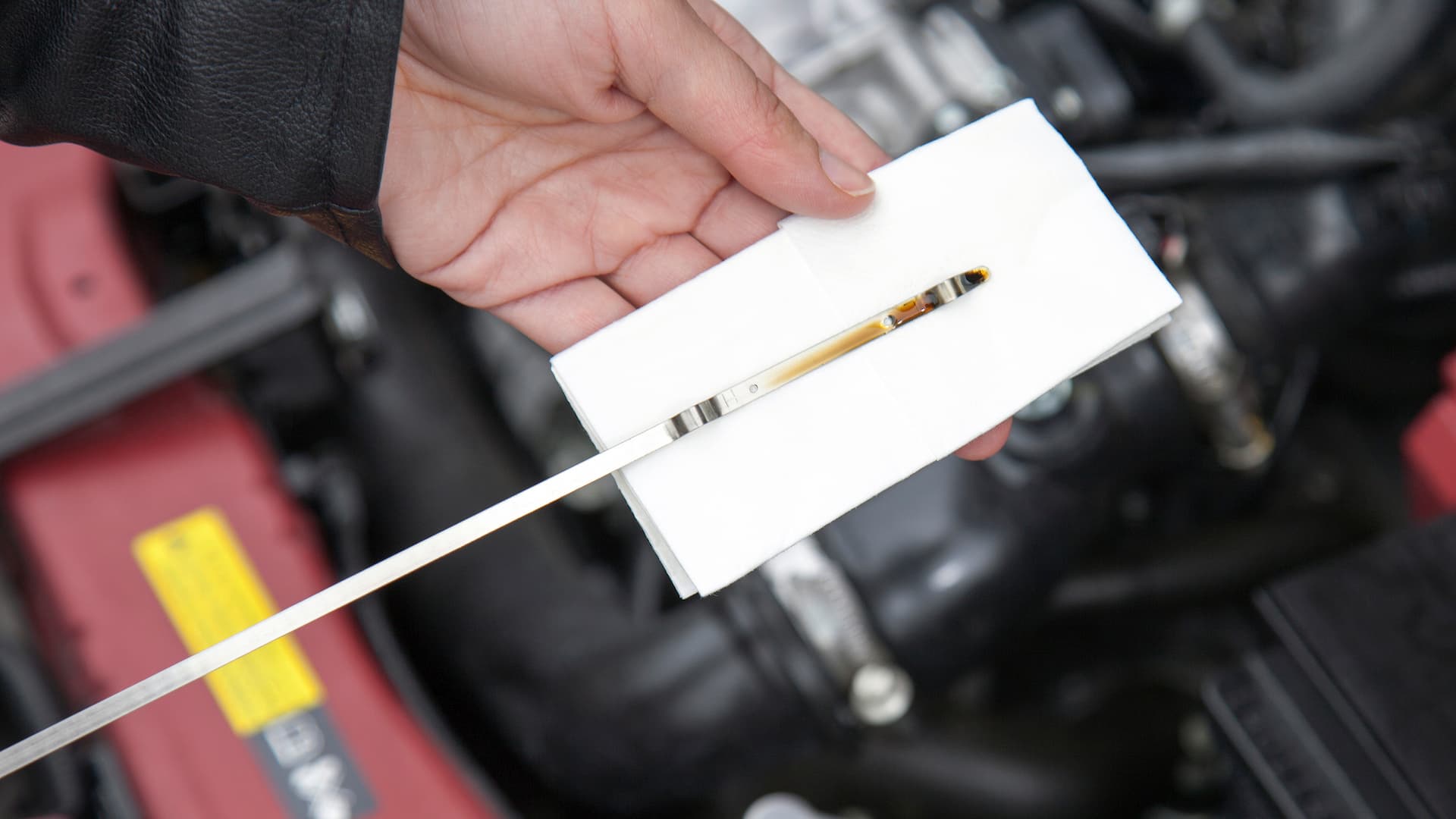
It’s a winter morning, and you’re doing a routine car check. You open the hood, pull out the dipstick, and to your surprise, the oil level looks low.
Don’t panic!
Cold weather can affect how engine oil behaves and how it reads on the dipstick.
But winter oil care isn’t just about checking levels. It’s also about using the right oil for cold conditions and knowing when a change is due.
We’ll explain how cold weather impacts engine oil and what you can do to maintain it properly — including keeping the correct level, selecting the right type, and avoiding cold starts.
This Article Contains:
- Does Cold Weather Affect Oil Levels?
- How Does Winter Impact Engine Oil Performance?
- How to Choose the Right Motor Oil for Winter Driving
- 4 Essential Cold-Weather Oil Maintenance Tips
Does Cold Weather Affect Oil Levels?
Yes, oil levels can appear slightly lower in cold weather, especially if the engine has not yet warmed up.
This happens because low temperatures cause the engine oil to thicken and contract a bit. When oil is colder and denser, the same amount takes up less space and settles lower in the oil pan.
Cold oil also drains more slowly. Some of it can cling to engine components and sit in oil passages longer. In such cases, the oil level may appear low because less oil has returned to the sump during the check.
But that’s not all:
How and where you check the oil can also affect the reading. Parking on uneven ground or having the oil pan at a slight angle can make the level appear lower than it actually is.
In most cases, this difference is minimal. It’s generally not a concern unless the oil level is already close to the minimum mark.
If you want to know the correct way of checking oil level, explore our detailed guide: Check Your Engine Oil Level the Right Way.
So, is this the only way cold weather affects your motor oil? Let’s find out.
How Does Winter Impact Engine Oil Performance?
Low temperatures can alter the behavior of motor oil and its ability to protect your engine.
Apart from affecting levels, here’s how it impacts your oil:
- Cold starts become harder: Oil thickens and flows more slowly at low temperatures. This means it takes longer to reach critical engine components during start-up, increasing friction and wear. In icy cold conditions, this can also make the engine harder to start and reduce fuel efficiency.
- Oil pressure readings can fluctuate: Cold, thick oil can cause unusual oil pressure readings. Pressure can spike briefly after start-up, but trapped air and restricted flow can also lead to low or inconsistent pressure readings until the engine warms up.
Fortunately, selecting a proper oil can help ease many cold-weather issues.
Keep reading to know more.
How to Choose the Right Motor Oil for Winter Driving
Here are some tips to pick the correct engine oil for winter:
- Refer to your owner’s manual to determine the manufacturer’s recommended oil type and viscosity for your vehicle.
- Choose a lower-viscosity oil for winter, as it flows more easily in cold temperatures and helps with quicker cold starts. Look for winter ratings like 0W or 5W — the lower the first number, the better the oil performs in cold weather.
- Consider using synthetic oil, which flows better in low temperatures and provides superior protection during cold starts.
- Pay attention to the additive package; quality winter oils contain additives that enhance cold-weather performance and protect against engine wear.
The right oil matters — but so does how you maintain it.
4 Essential Cold-Weather Oil Maintenance Tips
These simple practices can help your engine oil perform optimally in winter:
- Change your oil at least twice a year, once before winter and summer. If your owner’s manual recommends shorter intervals, follow them instead.
- Allow the engine to warm up briefly before driving. Letting the car idle for a few minutes gives the oil time to circulate through the engine, reducing strain when you begin driving.
- Drive gently during the first few minutes of a cold start. Avoid aggressive driving, like hard acceleration, until the oil has had time to circulate properly and the engine reaches its normal operating temperature.
- Use a block heater if you live in extremely cold temperatures. Keeping the engine warmer overnight makes cold starts easier, reduces engine wear, and can improve fuel efficiency in winter conditions.
Winter-Proof Your Engine Oil with AutoNation Mobile Service
Cold weather definitely changes how your engine oil behaves, but staying ahead of routine maintenance can help prevent issues before they start.
AutoNation Mobile Service takes the hassle out of winter car care by coming straight to your location. We’re available seven days a week with upfront pricing and a 12-month | 12,000-mile warranty.
Schedule your service today and drive with confidence this winter.