
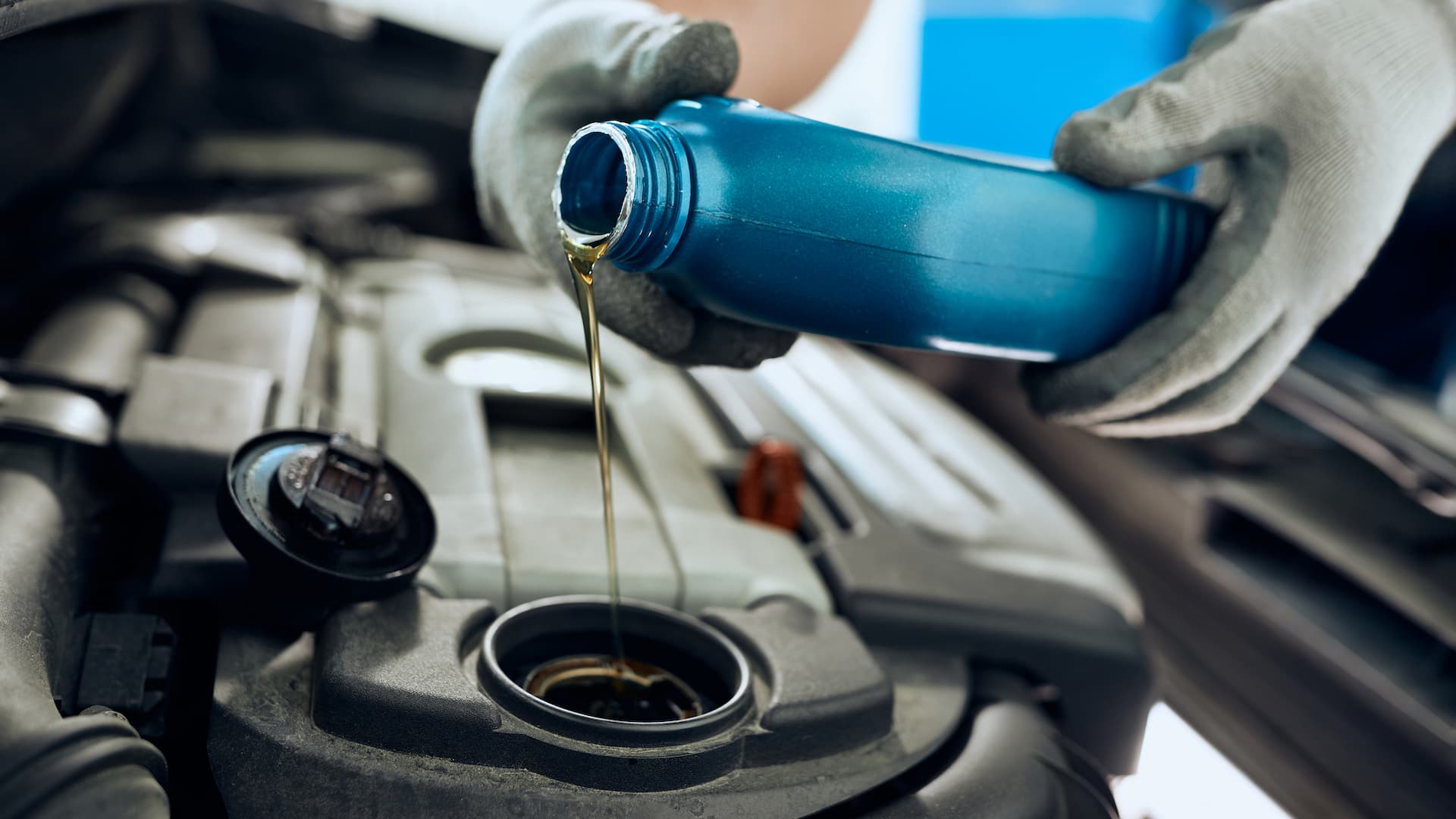
For winter driving, both 5W-20 and 5W-30 perform similarly at cold start—but 5W-20 is better for fuel efficiency, while 5W-30 offers stronger protection once the engine warms up.
If you’re unsure which one to use, the right choice depends on your engine condition, driving habits, and how hard your engine works—not just the outside temperature.
In this guide, we’ll break down the differences between 5W-20 vs 5W-30 in winter, when to choose each, and how to pick the best oil for your driving conditions.
This Article Contains:
- 5W-20 vs 5W-30: What the Numbers Mean
- How Winter Driving Changes What Your Engine Needs
- When to Pick 5W-20 or 5W-30 for Winter?
- Can You Switch Between 5W-20 and 5W-30 in Winter?
- A Few Practical Winter Oil Tips
5W-20 vs 5W-30: What the Numbers Mean
Here’s what the label is telling you:
- The “5W” is the oil’s winter rating — how easily it flows when your engine is cold.
- The “20” or “30” shows how thick the oil stays when the engine is fully warmed.
The key point?
5W-20 and 5W-30 flow equally well at cold start because they share the same 5W winter rating.
So on cold mornings, when you first turn the key, both oils behave similarly. The difference starts to show after the engine warms up:
- 5W-20 stays thinner when hot, helping with fuel economy and fast circulation.
- 5W-30 remains slightly thicker when hot, creating a stronger protective oil film under load or higher heat.
In other words, the decision isn’t just about outside temperature — it’s about what your engine goes through once it’s running. Let’s explore what that means.
How Winter Driving Changes What Your Engine Needs
Most engine wear happens in the first few minutes after startup, before the oil has fully circulated. That’s why cold-start flow matters.
However, winter brings another factor: short trips.
If you’re only driving 5-10 minutes at a time, the engine may never reach full operating temperature. When that happens:
- The oil doesn’t thin out to its ideal operating viscosity, so it circulates less freely.
- Moisture and fuel vapors that naturally form during combustion don’t evaporate, so they remain in the oil.
- Over time, this contributes to sludge buildup and increased wear.
On the other hand, if you’re driving involves long highway runs, hills, towing, or high RPMs, the engine spends more time under load. In those conditions, that slightly thicker hot oil (5W-30) can offer more protection.
And if your engine has high mileage (about 75k+), internal clearances may be a bit wider than when it was new. A thicker oil, once warm, can help maintain good sealing and reduce wear.
But we still need to answer the question:
When to Pick 5W-20 or 5W-30 for Winter?
Here’s the plain-spoken breakdown for cold-weather driving:
Go with 5W-20 if:
- Your owner’s manual recommends 5W-20
- Your engine is newer or well-maintained
- You mostly make short trips and do city driving
- You prioritize fuel economy
In this case, your engine likely has tight clearances, which benefit from thinner, hot oil.
Go with 5W-30 if:
- Your engine has higher mileage or is using a little oil
- You drive long distances, climb hills, or tow
- You want a stronger oil film under load
- You live somewhere with harsh winters, where the engine warm-up takes longer
A slightly thicker oil provides a stronger oil film, helping to reduce wear between moving parts.
But what if your driving conditions change during winter?
Can you switch between these oils?
Can You Switch Between 5W-20 and 5W-30 in Winter?
Many drivers wonder if it’s safe to switch between 5W-20 and 5W-30 during winter—and in most cases, the answer is yes.
Here’s what you need to know:
- Follow your owner’s manual first: If your manufacturer allows both viscosities, switching is generally safe
- Switch based on driving conditions: Use 5W-20 for short trips and fuel efficiency, and 5W-30 for longer drives, higher loads, or added protection
- Avoid switching if not recommended: Some engines are specifically designed for one viscosity and may not perform well with thicker oil
- No need for immediate oil change when switching seasons: As long as the oil meets manufacturer specs, switching at your next oil change is sufficient
If your engine supports both, switching between 5W-20 and 5W-30 can help match your oil choice to winter driving conditions.
Finally, here are some tips to make winter oil upkeep easier.
A Few Practical Winter Oil Tips
Winter driving puts more stress on your engine, so here are some things you can do to help:
- Use full synthetic oil — it flows better in cold weather.
- Let the engine run 30-60 seconds before driving on freezing mornings.
- Stay consistent with oil changes — winter moisture and short trips are tough on oil quality.
- If you hear ticking or roughness on a cold start, that’s your engine hinting it needs a slightly thicker oil or fresher oil.
Let AutoNation Mobile Service Make Winter Maintenance Easier
For winter driving, there’s no need to stress over cold-start flow — 5W-20 and 5W-30 perform similarly when the engine is cold. What really matters is once the engine warms up.
- 5W-20 is great for newer engines and everyday driving.
- 5W-30 provides a bit more protection for high-mileage or hard-working engines.
When in doubt, start with your owner’s manual, but also pay attention to how your engine sounds and feels. Cars have a way of telling us what they need if we listen.
Ready for hassle-free winter oil changes?
AutoNation Mobile Service can take care of it right at your driveway, 7 days a week. Every service is backed by a 12-month / 12,000-mile warranty, and booking only takes a minute online.
Schedule your oil change today. Stay warm, and we’ll handle the wrench work.