Home
Estimates Engine Mechanical Engine Oil Pan Replacement

Engine Oil Pan Replacement: Signs, Cost & What to Expect

Engine Oil Pan Replacement: Signs, Cost & What to Expect

Find Your Cost

How It Works

Our certified technicians come to you with a wrench and a smile. Do what you’d normally do at home (or the office) - catch up on yard work or a favorite TV show, make dinner - while your vehicle is being serviced.

How It Works

Our certified technicians come to you with a wrench and a smile. Do what you’d normally do at home (or the office) - catch up on yard work or a favorite TV show, make dinner - while your vehicle is being serviced.

Tell us about your vehicle

Provide your car’s year, make, model and engine type or provide your plate and we’ll look it up for you.

Get an instant quote

Depending on your repair, you will receive an instant quote or one directly from one of our advisors during business hours.

Schedule your repair

Schedule a time that works best for you and we’ll come to your home or office to complete the repair. Or drop it off at one of our local shops.

TESTIMONIALS

Real reviews from our customers

What Happens During an Engine Oil Pan Replacement?

During an engine oil pan replacement, the engine oil is drained and any components blocking access to the oil pan are removed. Depending on the vehicle, this may include exhaust components, suspension members, or engine supports.

The damaged oil pan is then removed, the sealing surface is cleaned, and a new gasket or manufacturer-specified sealant is applied before the replacement pan is installed.

Finally, the engine is refilled with fresh oil and checked for leaks before the vehicle is road tested.

4 Signs You Need an Engine Oil Pan Replacement

General wear or accidents can damage the oil pan, resulting in oil leakage. Luckily, some telltale signs can help you spot an engine oil pan issue, like: 

1. Oil Spots Under Your Vehicle

Oil puddles under your vehicle could indicate leaking oil due to a cracked oil pan or seal (gasket). If ignored, the leakage can result in friction between your engine components, causing severe engine damage.

So, if your vehicle is leaking oil, take it to an auto repair shop for an oil pan and gasket inspection as soon as possible. 

2. Sudden Drop in Oil Level

A sudden drop in engine oil level could indicate a damaged oil pan, leaking oil pan gasket, or another engine oil leak. If enough oil is lost, oil pressure may also drop, putting the engine at risk of damage.

The low oil level will trigger the oil warning light on your dashboard, indicating you might need an engine oil pan or oil pan gasket replacement.

3. Overheated Engine

An oil leak from the oil pan can cause severe engine damage due to overheating. This happens because the extremely low oil level prevents lubrication of metal components in the engine. These car parts then rub against each other, causing excess heat in the engine. 

If your motor gets too hot consistently, it can lead to catastrophic engine failure. So, take your vehicle to the auto repair shop ASAP.

4. Black Smoke from the Engine

Smoke and a burning oil smell from the engine usually occur when oil from a leaking oil pan gasket comes in contact with the hot exhaust. 

If you have a smoking engine or smell burning oil, immediately stop driving and consult a mechanic.

How Much Does an Engine Oil Pan Replacement Cost?

The overall oil pan replacement cost typically ranges between $350 and $800, depending on the vehicle and how difficult the oil pan is to access.

Based on the severity of the damage, you may also have to replace the dipstick, drain plug, or windage tray, which can increase the car repair costs. You could even require an oil change, a new gasket, and an oil filter. 

Moreover, the oil pan is difficult to access in some vehicles, increasing labor costs.

How Critical Is an Engine Oil Pan Replacement?

The engine oil pan stores the oil that lubricates various engine parts. 

However, exposure to high temperatures or external damage can cause the oil pan to warp and leak. If you have insufficient oil or a leaking oil pan, the lack of lubrication (due to low oil pressure) could severely damage your engine components. Over time, it could result in catastrophic engine failure, requiring substantial repair costs.

If you suspect an oil pan issue, have it inspected promptly. Not every oil leak requires an oil pan replacement — the problem may instead involve the oil pan gasket, drain plug, or another component.

2 FAQs about Engine Oil Pans

1. What Is an Engine Oil Pan?

The engine oil pan or oil sump (different from the upper pan) is a reservoir attached to the bottom of the vehicle. Apart from storing oil (usually 4 to 6 quarts), the oil pan is the point from which motor oil circulates through the rest of the engine. 

Here’s how it functions:

  1. When you start your vehicle, the oil pump (in the upper pan) picks up oil from the oil pan.
  2. The oil pump then pumps oil throughout the engine, lubricating, cleaning, and cooling the engine’s parts. 
  3. The oil circulates back into the engine oil pan through its dedicated channels.  

The oil pan comprises five essential parts, including: 

  • Drain plug (oil plug): The drain plug is under the oil pan at the bottom of the engine. It allows you to drain out old oil.
  • Oil pan gasket: It’s a protective layer between the oil pan and crankcase that prevents oil leaks.
  • Baffles: Commonly found in sports vehicles, the baffles control the movement and flow of fluids and prevent an oil pan leak, even in high-speed situations.
  • Windage tray: The windage tray is a metal plate that forms a barrier between the crankshaft and the oil pan. It prevents the crankshaft from getting over-lubricated. 

2. What Causes the Engine Oil Pan to Leak?

Here are common reasons for an engine oil pan leak: 

  • Damage by impact: Located at the bottom of your vehicle, it’s likely that any accidents will trigger an oil leak. A damaged oil pan may also be due to hitting rocks and potholes at a bad angle.
  • Worn-out oil pan gasket: The gasket shrinks or loses elasticity over time. So, if you have an old oil pan, have it checked or replaced.
  • Insecure drain plug: Overtightening the oil drain plug can damage its threads, resulting in a leak from an insecure oil plug. A faulty plug can also occur over several oil change services or due to cross-threading.
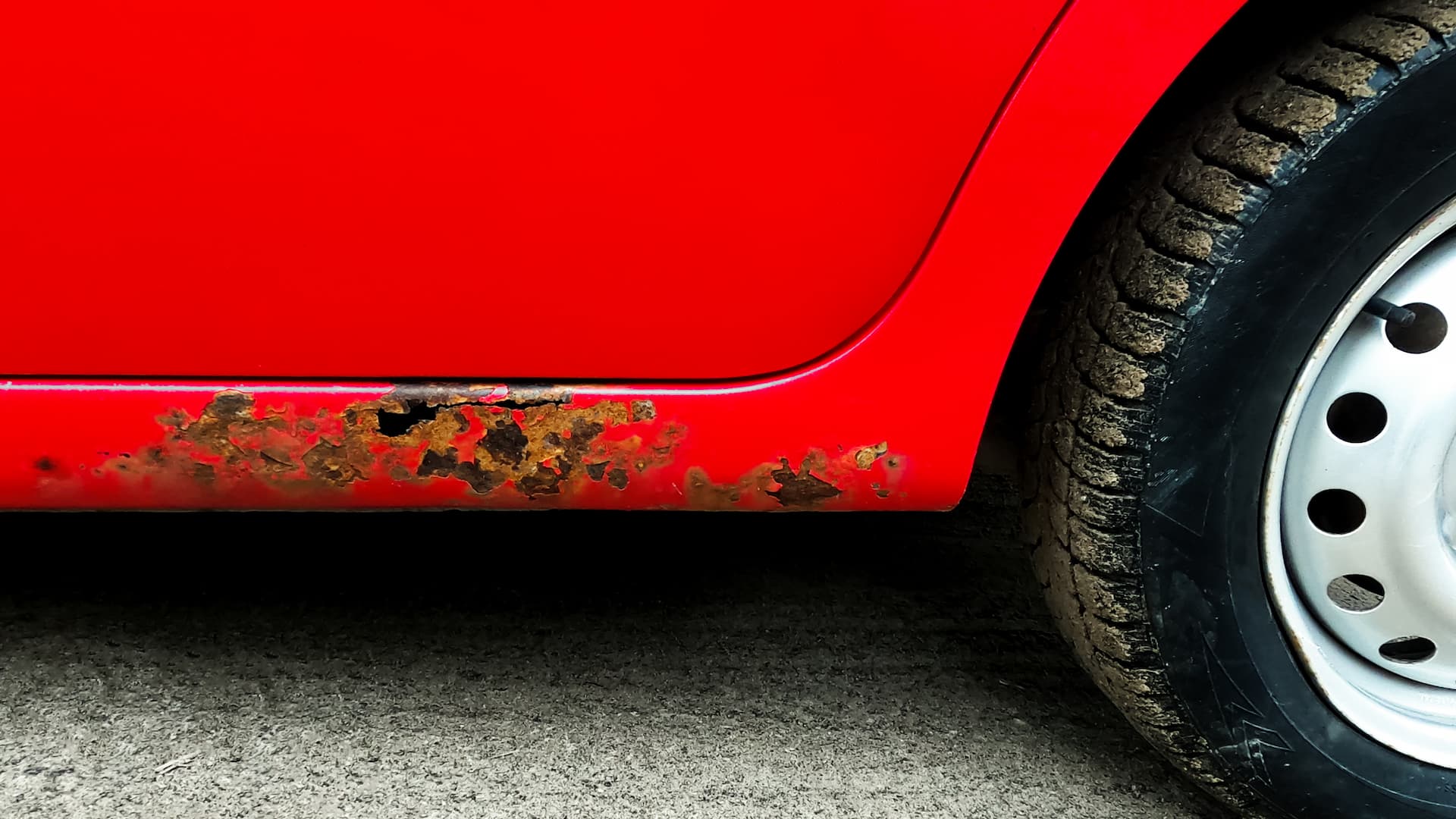
  • Rust or corrosion: Exposure to moisture, road salts, and debris can cause the oil pan to rust and develop leaks.


We're here to keep you moving

Our experienced mobile mechanics are ready to help.

Get a Quote

1-Year | 12,000-Mile Warranty