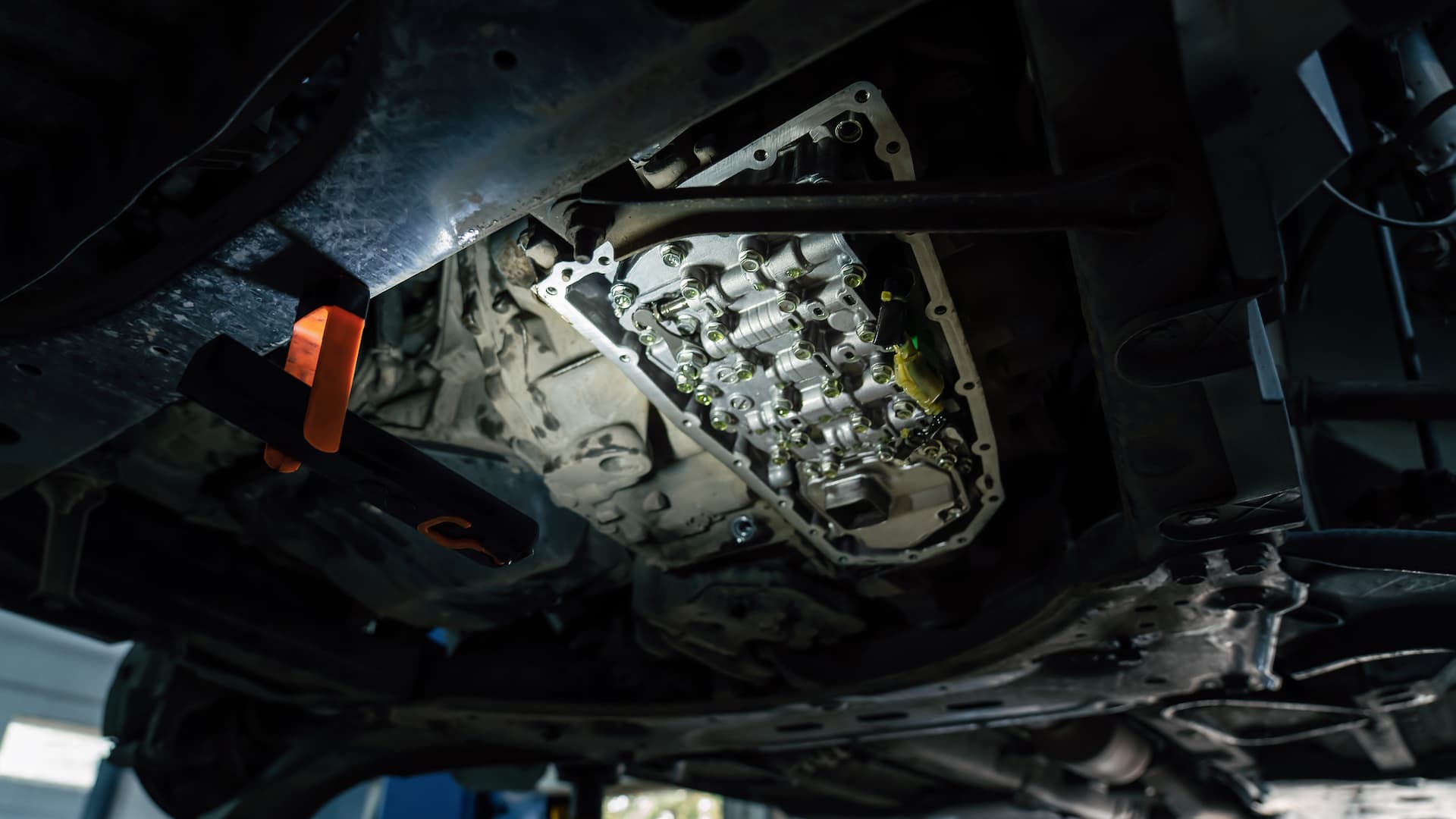
Is your car acting like a grumpy old man — groaning when you shift into drive and pausing before moving?
It may be asking for a transmission fluid flush.
So, how much does a transmission flush cost?
Typically, the service ranges from $260 to $570.
Ignoring it, however, could damage the vehicle’s transmission and lead to costly repairs.
But there’s no need to panic.
In this article, we’ll break down the cost of a transmission flush, pricing factors, and the service process — so you are well-informed before scheduling the service.
This Article Contains:
- How Much Does a Transmission Flush Cost?
- Is a Transmission Flush Worth It?
- 6 Warning Signs You Need a Transmission Flush
- How Is a Transmission Flush Done?
- What Is the Difference Between a Transmission Flush and a Transmission Fluid Change?
- How Often Should You Get a Transmission Fluid Change?
- Why Do Some Transmissions Fail after a Flush?
How Much Does a Transmission Flush Cost?
Transmission flushes are generally performed on automatic vehicles, since manual transmissions don’t need them.
Here’s a breakdown of the total cost:
A. Range
The average cost of a transmission flush service is between $260 and $570.
This includes:
- Automatic transmission fluid (ATF) cost: $160 to $400 (ATF generally costs $20 per quart, and cars can require anywhere from 8 to 20 quarts)
- Labor cost: $100 to $170
B. Factors Affecting Cost
The following factors can influence the transmission flush service cost:
- Vehicle make and model: Smaller cars, like compact sedans, require less transmission fluid. Meanwhile, larger vehicles, like SUVs, need more fluid, which increases the cost. Vehicles with a sealed transmission demand extra labor and specialized tools, which can raise the overall service cost.
- Type of transmission fluid: Synthetic transmission fluid can cost more than conventional fluid. Luxury vehicles usually cost more to flush as they may require premium synthetic transmission fluid.
- Location: Mechanics in urban areas typically charge more than those in smaller towns or rural areas.
- Service center: Costs differ depending on whether you go to an independent shop, a dealership, or hire a mobile mechanic.
- Flushing method: The pump inlet method is generally more expensive than a cooler line flush. It needs extra work using specialized tools to disconnect the pump and control the fluid.
- Related repairs: Your mechanic may also suggest replacing the transmission filter and pan along with a flush, which can cost extra. For example, a transmission pan replacement can add another $240 to $920 to the total bill.
Is a Transmission Flush Worth It?
Yes, absolutely.
Automatic transmission fluid plays a vital role in keeping your transmission healthy by lubricating moving parts, cooling the system, and flushing out debris.
Over time, the fluid can break down and become contaminated, reducing its ability to protect against heat and wear. If left unchanged, dirty ATF can cause overheating and accelerate internal damage.
A transmission fluid flush helps restore proper performance and extend the lifespan of your transmission. Unlike a simple drain-and-fill, it replaces nearly all the old fluid and clears out built-up debris.
6 Warning Signs You Need a Transmission Flush
You might need a transmission flush if you notice:
- Trouble engaging or staying in gear
- Noticeable lurching or thumping during shifts
- Delay between pressing the accelerator and the car responding
- Unusual sounds such as whining or grinding
- Dark or brown fluid on the dipstick (fresh automatic transmission fluid should be bright red).
- An overheating engine or a burning smell caused by degraded fluid, which increases friction in the transmission and makes the engine work harder to compensate.
How Is a Transmission Flush Done?
A mechanic can carry out a transmission fluid flush using one of two methods — the cooler-line flush or the pump-inlet flush.
Let’s dive into each in detail:
A. Cooler-line Flush Method
To perform this flush method, a mechanic will:
- Start your car (after adding the flush additive) and let the transmission warm up. This allows the fluid to circulate more effectively and loosen buildup.
- Disconnect one of the transmission fluid hoses, usually at the cooler, where it’s easy to reach.
- Hook the fluid exchange machine to that hose.
- Fill the machine with the correct fluid — usually about twice the normal amount.
- Start the machine so it pushes clean fluid in while pulling the dirty fluid out into its storage tank. As the clean fluid goes in, it carries away dirt and contaminants from inside the transmission.
- Run the engine during the process so the transmission pump circulates fluid through the torque converter and cooler lines, ensuring a more complete flush.
- Top off the transmission fluid level to the correct amount.
- Disconnect the machine and reattach the hose.
B. Pump-Inlet Flush Method
Here’s how a mechanic will go about it:
- Run the engine so the transmission fluid reaches normal operating temperature.
- Find the transmission cooler hose, place a drain pan underneath, and keep new fluid ready.
- Disconnect the cooler line while the engine is idling. Pour new fluid in small amounts into the dipstick tube while the old fluid drains into the pan, preventing the transmission from running dry until the flush finishes.
- Take off the transmission pan to drain any remaining fluid and wipe it thoroughly to remove debris and ensure a proper seal.
- Install a new transmission filter and gasket.
- Reattach the pan securely and tighten the pan bolts to spec.
- Add the correct type and amount of fluid recommended in your manual.
- Run the engine with the brake pressed, shift through all gears, and let the fluid circulate.
- Check the transmission fluid level while the engine runs and add more if needed.
- Finally, take the vehicle for a short test drive to ensure the transmission shifts smoothly.
What Is the Difference Between a Transmission Flush and a Transmission Fluid Change?
A transmission flush uses specialized equipment, such as a fluid exchange machine, to replace all of the old fluid with fresh fluid. This thorough process removes dirt, debris, and other impurities from the vehicle’s transmission system.
In contrast, a transmission fluid change is simpler and doesn’t require special tools. During this process, the mechanic drains about 70% of the old fluid, replaces the filter, and reseals the pan. The transmission system is then topped up with new fluid, but some of the old, contaminated fluid can still remain.
How Often Should You Get a Transmission Fluid Change?
Typical intervals for a transmission fluid exchange are:
- Manual transmission: Every 30,000 to 60,000 miles
- Automatic transmission: Every 60,000 to 100,000 miles
The actual lifespan of transmission fluid depends on factors such as driving habits, frequent stop-and-go traffic, and overall vehicle maintenance.
On the other hand, recommended intervals for a transmission flush range between every 30,000 to 50,000 miles or every 3 to 5 years. But some car makers say you can wait until 100,000 miles before it’s needed. You should consult your vehicle owner’s manual to find out the correct interval for your model.
Why Do Some Transmissions Fail after a Flush?
Transmissions sometimes fail after a flush, not because of the service itself, but because they were already close to failing.
A flush is only a preventive maintenance step, not a repair for existing transmission issues.
Enjoy Hassle-free Transmission Flush with AutoNation Mobile Service
A transmission flush can breathe new life into your car by restoring smooth shifts and improving overall performance.
But if you are short on time and can’t visit a shop, contact AutoNation Mobile Service. Our experienced mobile mechanics can come to you and handle transmission fluid issues right from your driveway.
We’re available seven days a week and offer upfront, transparent pricing. All our services are also backed by a 12-month, 12,000-mile warranty.
Book your appointment today for reliable transmission repair and maintenance.