
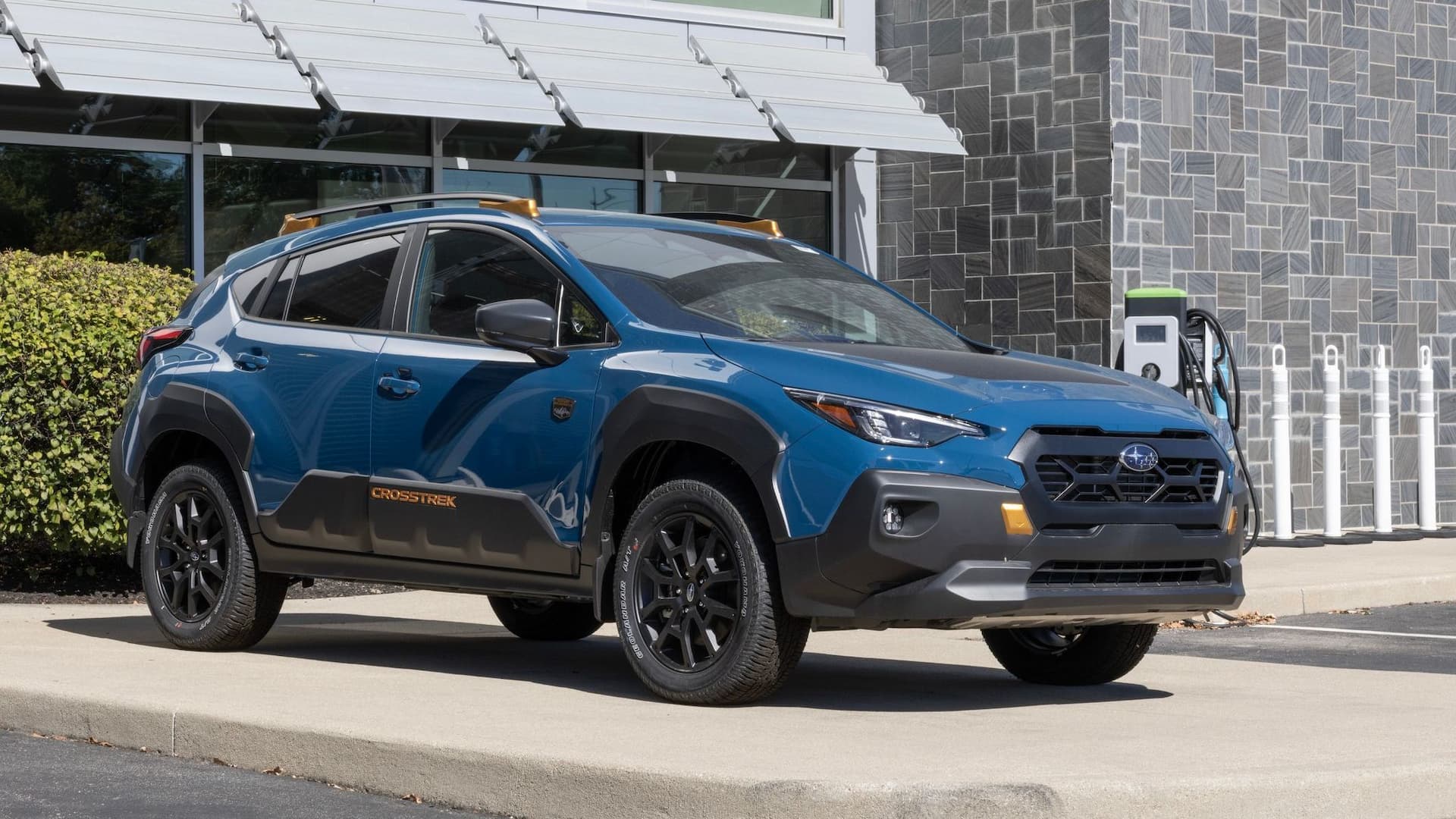
The Subaru Crosstrek is generally considered a reliable compact SUV, earning strong marks for safety, practicality, and relatively low ownership costs. Newer models also benefit from updated technology and enhanced functionality.
Subaru Crosstrek reliability at a glance:
- J.D. Power reliability rating: Recent models earn Quality & Reliability scores in the mid-to-high 80s
- Best model years: 2019, 2020, 2021, and 2022
- Common problems: Oil consumption, CVT transmission concerns, wheel bearing wear, battery issues, and infotainment glitches
- Expected vehicle lifespan: 200,000+ miles with proper maintenance
- Average annual repair cost: Approximately $490
While no vehicle is perfect, the Crosstrek has earned a reputation as one of Subaru’s more dependable models. For more detailed information on Subaru Crosstrek reliability, keep reading.
This Article Contains
- Subaru Crosstrek Reliability Rating: How Does It Compare?
- Subaru Crosstrek Reliability by Model Year
- 6 Most Common Subaru Crosstrek Problems
- Subaru Crosstrek Maintenance Costs
- How Long Does a Subaru Crosstrek Last?
- How Does the Crosstrek Compare to Other Subaru Models?
- Subaru Crosstrek Safety Features & Everyday Practicality
- An Overview of Subaru Warranty Coverage
Subaru Crosstrek Reliability Rating: How Does It Compare?
The Subaru Crosstrek is widely regarded as a reliable choice in the competitive compact SUV segment, combining strong safety credentials with reasonable ownership costs.
Reliability data across several independent organizations support the Crosstrek’s reputation for dependability.
- J.D. Power reports strong results for recent Subaru Crosstrek models, with Quality & Reliability scores in the mid-to-high 80s. For example, the 2022 model earned 87/100, while the 2025 model received 85/100. According to J.D. Power, scores in this range are classified as “Great.”
- Consumer Reports has consistently ranked the Subaru Crosstrek among the better-performing subcompact SUVs, highlighting its fuel efficiency, ride comfort, standard all-wheel drive system, and overall value. Consumer Reports vehicle owner surveys likewise show strong satisfaction among many Subaru Crosstrek owners.
Compared with a similar vehicle in the segment, the Crosstrek benefits from relatively low repair frequency, predictable maintenance requirements, and a proven powertrain. While some competitors offer more power or technology features, the Crosstrek remains a dependable and practical choice.
Choosing the right Subaru Crosstrek year can further improve long-term ownership satisfaction.
Subaru Crosstrek Reliability by Model Year
While the Subaru Crosstrek has a strong overall reliability rating, not every Subaru Crosstrek model performs equally well over the long term. Understanding the differences can help buyers narrow their search and avoid potential trouble spots.
A. Best Subaru Crosstrek Years
The 2019, 2020, 2021, and 2022 Subaru Crosstrek models are generally considered the most dependable. These vehicles benefited from the second-generation redesign, ongoing refinement, strong reliability ratings, and fewer reported complaints than earlier models.
Subaru has also offered the Crosstrek Hybrid in select model years. While the Crosstrek Hybrid has received positive reviews for fuel economy and everyday practicality, long-term reliability data remains more limited than for the standard gasoline models.
B. Years That May Require Extra Attention
The 2013 and 2014 XV Crosstrek models generated more owner complaints than later years, particularly involving oil consumption, CVT transmission concerns, and electrical issues. Buyers researching an older Subaru Crosstrek year should pay close attention to maintenance records, as service history is often more important than low mileage alone.
Drivers looking for a manual transmission will generally need to focus on older used models, as most newer Crosstrek vehicles are equipped with Subaru’s CVT transmission.
Regardless of model year, like any vehicle, the Subaru Crosstrek has a few recurring trouble spots.
6 Most Common Subaru Crosstrek Problems
Most owners won’t experience all of these issues, but knowing the most reported trouble spots can help you catch warning signs early and plan for possible repairs.
1. Excessive Oil Consumption
Excessive oil consumption is one of the more discussed issues on early Subaru Crosstrek models, especially certain 2013 and 2014 XV Crosstrek vehicles with the boxer engine. This problem can cause low oil levels between oil changes, oil warning lights, frequent top-offs, or a burning oil smell.
Subaru addressed some oil consumption concerns through warranty extensions and service programs. Buyers considering an older Crosstrek should review maintenance records to confirm whether related repairs were completed.
2. CVT Transmission Concerns
Most Subaru Crosstrek models use a continuously variable transmission (CVT). While widespread failures are uncommon, some owners have reported hesitation, shuddering, unusual noises, or delayed acceleration, particularly on earlier models.
Major CVT repairs can be expensive if a component requires replacement. Following the manufacturer’s scheduled maintenance recommendations and investigating unusual symptoms early may help prevent more serious transmission problems.
3. Wheel Bearing Failures
Some Subaru Crosstrek owners have reported premature wheel bearing wear, particularly on higher-mileage vehicles. Common symptoms include humming or growling noises that change with vehicle speed, along with vibration felt through the steering wheel.
A worn wheel bearing should be replaced promptly, as the problem can affect ride quality and place additional stress on nearby suspension components.
4. Battery Issues
Battery complaints appear periodically across several Subaru Crosstrek model years. Common signs include slow engine cranking, difficulty starting, frequent jump-starts, and erratic electrical behavior.
In many cases, the solution is a straightforward battery replacement. Charging system testing can help determine whether the battery, alternator, or another electrical component is responsible.
5. Infotainment System Glitches
Modern Subaru Crosstrek models feature infotainment systems with Apple CarPlay, Android Auto, navigation, and smartphone integration. Some owners have reported frozen screens, Bluetooth connectivity issues, delayed touchscreen responses, or software bugs.
Fortunately, many infotainment system concerns can be resolved through software updates rather than major repairs. Updates may also provide enhanced functionality and improve overall system performance.
6. Recalls and Safety-Related Defects
Some Subaru Crosstrek models have been subject to recalls involving components such as the seat belt system, electrical equipment, suspension parts, and engine-related components.
A recall doesn’t necessarily indicate poor reliability. In many cases, manufacturers identify a potential defect and issue a repair campaign before widespread failures occur. Recall repairs can often be completed free of charge through authorized dealerships.
When shopping for a used Subaru Crosstrek, check for open recalls through the National Highway Traffic Safety Administration (NHTSA). Confirming that recall repairs have been completed may help reduce the risk of future problems.
One reason the Crosstrek remains a popular compact SUV is its relatively affordable ownership costs. Let’s take a closer look.
Subaru Crosstrek Maintenance Costs
The average annual repair cost for a Subaru Crosstrek is approximately $490, slightly below the compact SUV average of about $520. A vehicle owner can also expect fewer unscheduled repairs than many rival vehicles.
According to CarEdge, the Subaru Crosstrek is expected to cost about $8,459 in maintenance and repairs during its first 10 years of service, including roughly $2,643 during the first five years. The company also estimates an 11.6% chance of a major repair during that period.
Actual costs will vary based on driving habits, location, and maintenance history. In general, a low-mileage Crosstrek will cost less to maintain than a neglected high-mileage example.
How Long Does a Subaru Crosstrek Last?
A well-maintained Subaru Crosstrek can often exceed 200,000 miles, with some owners reporting significantly higher mileage. Its reputation for longevity is one reason it remains a popular compact SUV.
For the average Crosstrek owner, reaching high mileage depends largely on routine maintenance. Consistent service can play a major role in extending vehicle lifespan to 200,000 miles or more.
With its popularity, how does the Crosstrek stack against others in the Subaru lineup?
How Does the Crosstrek Compare to Other Subaru Models?
The Subaru Crosstrek shares many traits with other Subaru vehicles, including standard all-wheel drive, strong safety scores, and a reputation for dependability.
1. Crosstrek vs Outback Reliability
The Crosstrek and Outback both earn strong reliability ratings. However, the Crosstrek’s smaller size and simpler design can contribute to slightly lower ownership costs, while the Outback offers more cargo space and available power.
2. Crosstrek vs Forester Reliability
The Forester and Crosstrek are closely matched in overall reliability. Both use proven Subaru powertrains and similar safety technologies, though the Forester offers more interior room while the Crosstrek is easier to maneuver in urban environments.
Which Subaru Model Has the Fewest Reported Problems?
Reliability can vary by model year, but the Crosstrek, Forester, and Outback consistently rank among Subaru’s most dependable vehicles. Rather than focusing on a single model, buyers should review available information, maintenance records, and the vehicle history report before making a decision.
While reliability is important, day-to-day ownership also depends on a vehicle’s safety, comfort, and practicality.
Subaru Crosstrek Safety Features & Everyday Practicality
The Subaru Crosstrek pairs strong reliability with a practical feature set for everyday driving.
Key features include:
- EyeSight Driver Assist Technology
- Adaptive Cruise Control
- Rear Cross-Traffic Alert
- Strong crash test ratings
- Frequent Insurance Institute for Highway Safety Top Safety Pick awards
- Standard Symmetrical All-Wheel Drive
- Generous ground clearance for light off-roading capability
- Competitive fuel efficiency
- Android Auto and Apple CarPlay integration
Together, these features help make the Crosstrek a practical choice for commuting, road trips, and year-round driving. Depending on trim level, available features may also include a Subaru Crosstrek moonroof.
Buyers considering a new car benefit from Subaru’s factory warranty coverage.
An Overview of Subaru Warranty Coverage
New Subaru Crosstrek models include a:
- 3-year/36,000-mile bumper-to-bumper warranty
- 5-year/60,000-mile powertrain warranty
This coverage helps protect major components against a covered defect, reducing the risk of unscheduled maintenance expenses early in ownership. Warranty repairs are typically handled through authorized Subaru dealerships.
Buyers considering a Subaru Crosstrek lease should review warranty coverage and maintenance responsibilities before signing.
Subaru Crosstrek Reliability at a Glance
The Subaru Crosstrek is generally considered a reliable choice among compact SUVs, with reliability data from independent organizations supporting its reputation for dependability.
While some model years have reported issues such as oil consumption, CVT transmission concerns, and wheel bearing wear, the Crosstrek remains one of Subaru’s more dependable vehicles overall.
If your Subaru Crosstrek is showing signs of a problem or power loss, AutoNation Mobile Service offers convenient mobile maintenance and repair services performed right in your driveway. Qualifying parts and labor are backed by a 12-month/12,000-mile warranty.
Schedule an appointment online and let our technicians help keep your Crosstrek running smoothly.