
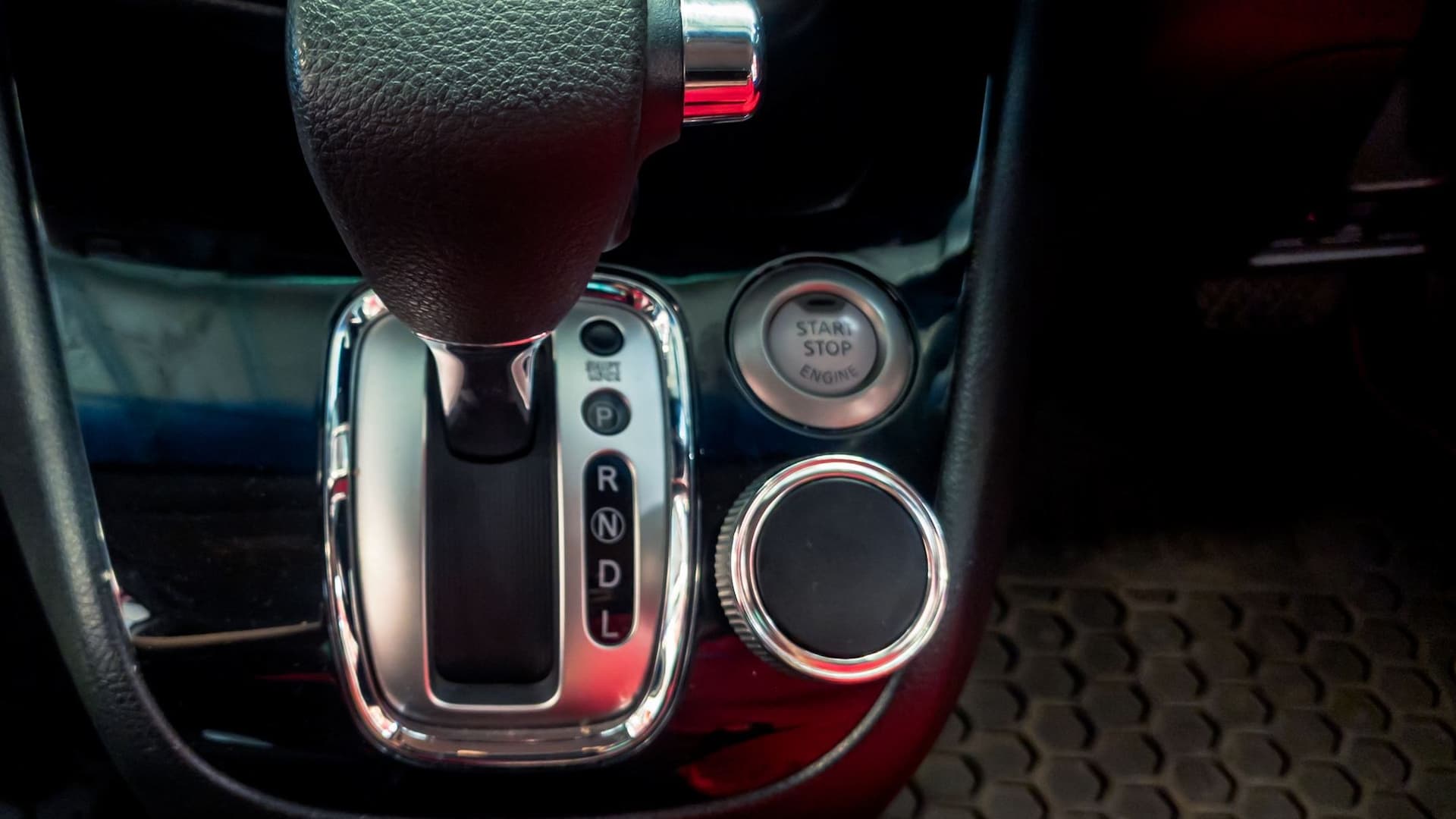
To replace a neutral safety switch, expect to pay around $150 to $450 on average, depending on the vehicle, labor rates, and switch location.
In automatic cars, the neutral safety switch is part of the vehicle ignition and transmission system, and prevents the engine from starting unless the transmission is in Park or Neutral. This reduces the risk of the vehicle starting in gear.
However, faults with this switch can cause frustrating starting problems and leave your vehicle stuck when you least expect it. We’ll further break down the neutral safety switch replacement cost, if it’s safe to drive with a bad switch, and more.
This Article Contains
- How Much Does Neutral Safety Switch Replacement Cost?
- Is It Worth Replacing the Neutral Safety Switch?
- Can You Drive With a Bad Neutral Safety Switch?
- What Are the Symptoms of a Bad Neutral Safety Switch?
- How Long Does a Neutral Safety Switch Last?
- What Causes a Neutral Safety Switch to Fail?
How Much Does Neutral Safety Switch Replacement Cost?
Here’s what you can expect to pay to replace a neutral safety switch and what impacts the total cost.
A. Average Neutral Safety Switch Replacement Cost
The average cost to replace a neutral safety switch is typically $150–$450 for most vehicles.
Typical cost breakdowns include:
- Parts: $50–$200
- Labor: $100–$250
Most standard passenger vehicles fall within this range. However, luxury models, AWD systems, and certain automatic transmission designs may cost more due to additional labor complexity.
If additional problems are discovered during inspection, costs can increase. For example, damaged wiring, a faulty electrical connector, or corrosion near the cable connections may require extra repairs before the new neutral safety switch can function properly.
B. Factors Affecting Neutral Safety Switch Replacement Cost
Several factors can affect the final neutral safety switch replacement estimate price:
- Switch location and accessibility: Some switches are mounted externally near the transmission shift lever, while others require removal of surrounding components or additional adjustment work to restore proper switch indication and gear position detection. Switch accessibility will drive the repair time and labor cost.
- Transmission type: Most neutral safety switches are found in automatic transmission vehicles, though some manual transmission systems use similar safety interlock switches.
- OEM vs aftermarket parts: OEM parts often cost more but may provide better compatibility with modern vehicles and their vehicle’s computer systems. Some vehicle neutral safety switches are simple external components, while others are integrated into the transmission shift lever or shifter mechanism.
- Labor rates and region: Repair costs vary by local labor rates and whether the work is performed by a dealership, an independent shop, or a certified mobile mechanic.
- Additional diagnostics or repairs: Technicians may recommend related services if they discover wiring damage, worn shifter mechanism components, or fluid leaks during the inspection.
Is It Worth Replacing the Neutral Safety Switch?
Yes. A functional switch is important for the proper operation of the vehicle’s starting system and gear position detection. Also, the repair is relatively affordable compared to major transmission repairs or complex electrical diagnostics.
A faulty neutral safety switch can create several annoying drivability problems. Some vehicles may only start in Neutral instead of Park, while others may experience intermittent no-start conditions, reverse light problems, or warning lights related to the transmission or vehicle’s ignition system.
Professional diagnostics are important because several other issues can create similar symptoms. Problems involving the alternator, fuel pump, battery terminal connections, or starter system may sometimes be mistaken for a bad neutral safety switch.
Can You Drive a Car with a Bad Neutral Safety Switch?
You can, but it’s not advisable. A vehicle with a bad neutral safety switch may still drive normally once the engine starts, but starting reliability often becomes unpredictable. Some drivers work around the issue by starting the vehicle in Neutral instead of Park, though this only masks the problem.
In more severe cases, the vehicle may fail to start at all, leaving you stranded. There is also a potential safety hazard if the switch allows the vehicle ignition system to start while the transmission is still in gear, increasing the risk of unexpected vehicle movement.
Because the problem can worsen without warning, it’s usually best to schedule an inspection and replacement before the vehicle becomes unreliable.
What Are the Symptoms of a Bad Neutral Safety Switch?
These are some of the most common signs of a faulty neutral safety switch:
1. The Engine Will Not Start
One of the most common symptoms is a vehicle that won’t start at all. The starter may not engage, or the vehicle may behave as though the battery is dead.
You might sometimes mistake this problem for a failing alternator, weak battery terminal connection, or fuel pump issue because the symptoms can appear similar.
2. The Car Only Starts in Neutral
A vehicle that starts in Neutral but not Park is often showing classic signs of a faulty neutral safety switch. This usually means the switch is struggling to identify the correct gear position or proper switch indication inside the transmission system.
3. Intermittent Starting Problems
Some switches fail gradually rather than completely. Your vehicle may start normally one day and refuse to start the next. Heat, vibration, moisture, and age-related wear can all contribute to inconsistent switch performance over time.
4. Backup Lights Stop Working
In some vehicles, the neutral safety switch also controls the reverse lights.
A damaged electrical connector or failing switch may interrupt the signal needed to activate the lights when the vehicle is shifted into Reverse.
5. Transmission Warning Lights or Gear Detection Problems
Modern vehicles rely on sensors and electronic communication to monitor gear selection and transmission status. If the neutral safety switch sends incorrect data, the vehicle’s computer may trigger a check engine light or transmission-related warning message.
How Long Does a Neutral Safety Switch Last?
A neutral safety switch is generally designed to last the life of the vehicle, but some may begin failing between 70,000 and 150,000 miles.
Regular maintenance and prompt repairs of related transmission issues can help ensure proper operation and extend the switch’s lifespan.
What Causes a Neutral Safety Switch to Fail?
Several conditions can cause neutral safety switch failure over time:
- Normal wear within the shifter mechanism as the vehicle ages
- Moisture intrusion or corrosion inside the switch
- Damage to wiring or cable connections
- Heat and vibration exposure
- Misalignment affecting gear selection signals
Technicians may also inspect nearby linkage and shifting components if additional transmission or starting issues are present, as related problems can sometimes mimic a faulty neutral safety switch.
A Small Switch That Can Cause Big Problems
Compared to major transmission repairs, a neutral safety switch replacement is usually manageable for most drivers. Addressing the issue early can help prevent worsening starting problems and reduce the risk of being stranded.
If your vehicle shows signs of a faulty neutral safety switch, professional diagnostics can confirm the exact cause.
AutoNation Mobile Service offers repairs and inspections performed by certified mobile mechanics, with service available 7 days a week. All work is backed by a 12-month/12,000-mile warranty, and appointments can be booked online with transparent pricing.