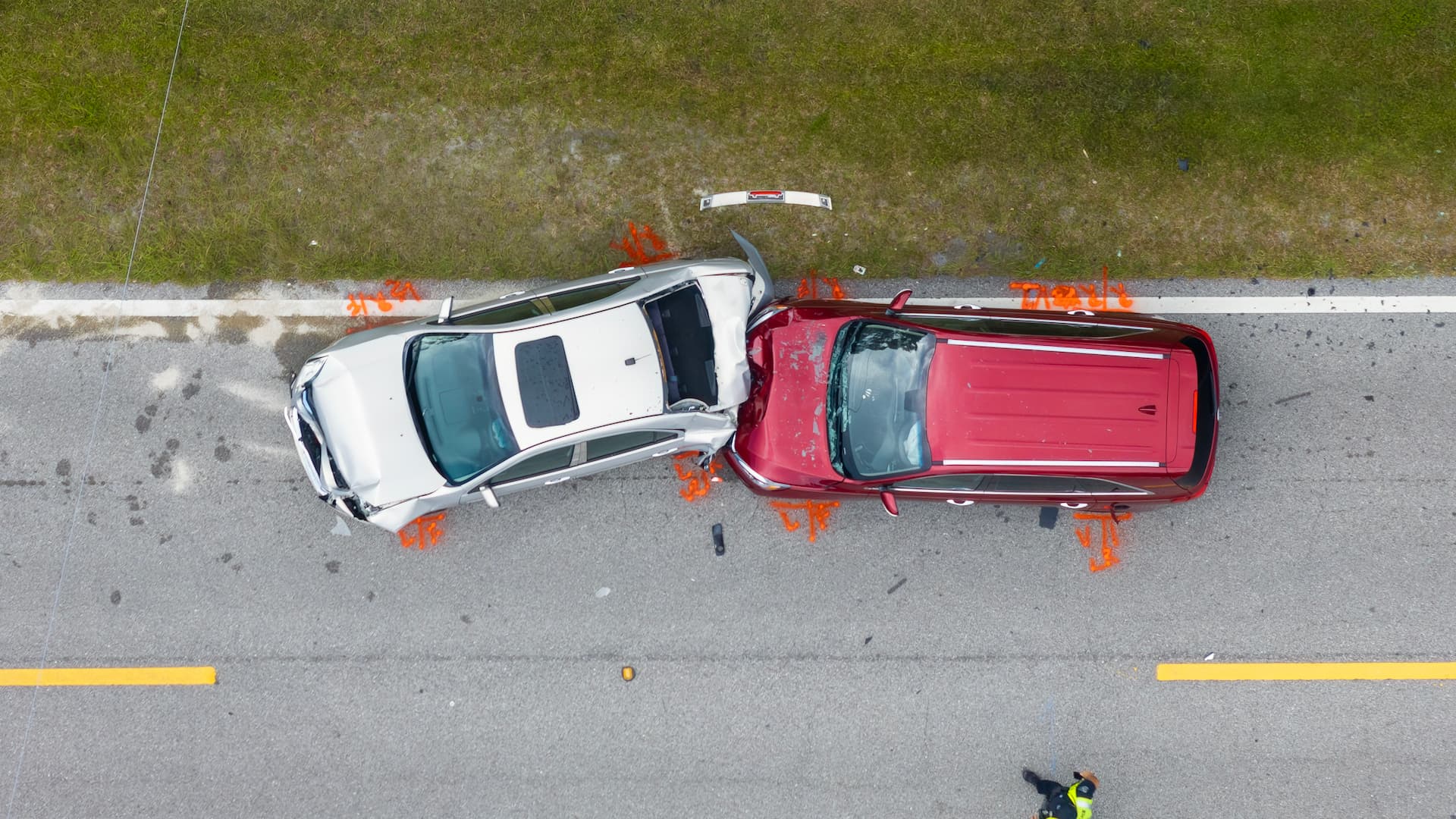
Think safe driving is enough to prevent accidents?
Think again.
While we often blame car accidents on distracted or reckless driving, even the most defensive driver isn’t protected from mechanical failure. Overlooked maintenance issues, such as worn brakes, low tire pressure, or faulty lights, are often silent contributors to road accidents.
In this post, we list the essential preventive car maintenance that can make a life-saving difference for you and others on the road.
1. Check Your Tires Regularly
Properly maintained tires improve handling, braking, and fuel efficiency, while worn ones increase the risk of blowouts, poor traction, and loss of control.
So, make it a habit to check your tire pressure every month. Look for cracks or uneven wear, and, as a practice, rotate your tires every 5,000–8,000 miles. It’s also good to have a mechanic check alignment and balance periodically.
2. Inspect Your Brakes
Reliable brakes are key to reacting quickly and preventing accidents when the unexpected happens.
However, over time, brake pads wear down, and other components can develop leaks or damage, reducing your ability to stop quickly.
To avoid this, watch for warning signs such as squealing brakes, a soft or hard brake pedal, and a burning smell from the brakes.
Also, follow these guidelines for maintaining your brake components:
- Visual check: Every 6 months or during routine tire rotations.
- Brake pads replacement: Typically every 25,000–70,000 miles
- Brake fluid check: Every oil change; replace fluid about every 2–3 years (or as recommended in your owner’s manual).
3. Keep the Lights Functional
Properly functioning headlights, taillights, brake lights, and turn signals are essential for preventing accidents, especially at night, on poorly lit roads, or in fog or rain. But, with time, external lights can become cloudy or yellowed, reducing brightness and visibility. A quick cleaning or restoration kit can make them as good as new.
Additionally, once a month, turn on all your lights and walk around your vehicle to make sure everything is working properly.
4. Have All Fluids Topped Up
Your vehicle’s fluids keep critical systems running smoothly. But low or contaminated fluids can lead to issues such as overheating, reduced braking power, steering problems, or even engine failure. All of which increases the risk of an accident.
Make it a habit to check and refill all essential fluids at the required intervals.
Here’s a guideline you can follow:
- Engine Oil: Change every 5,000–7,000 miles (or as recommended in your owner’s manual).
- Coolant: Check every 3–6 months; replace every 2–5 years.
- Brake Fluid: Check at every oil change; replace about every 2–3 years.
- Transmission Fluid: Check every 30,000–60,000 miles (varies by vehicle).
- Power Steering Fluid: Check every 1–2 years or if steering feels stiff.
If you’re unsure, it’s best to have your mechanic inspect all fluids during routine maintenance.
5. Look for Wiper Blade Damage
Are your windshield wipers leaving streaks, making squeaky noises, or skipping across the windshield?
They’re probably worn out and ready to be replaced.
It’s a good idea to swap them out every 6–12 months, especially if you drive often in harsh weather.
It also doesn’t harm to spend a few extra minutes clearing off frost, fog, or ice from your windshield and windows before heading out.
6. Pay Attention to Warning Lights
If you see lights related to tire pressure (TPMS), brakes, engine temperature, or ABS, don’t ignore them. These systems are directly tied to the parts we just talked about, and catching an issue early can prevent a breakdown or an accident.
Modern cars also come with advanced safety features such as lane-departure warnings, automatic emergency braking, blind-spot monitoring, and other driver-assistance technologies. If a warning light appears for any of these systems, it means a feature may not be working properly.
It’s best to have it checked promptly to keep the advanced features functioning as intended.
7. Check Online for Recalls
Recalls are issued for safety reasons, so never ignore them.
The easiest way to check is to go to the National Highway Traffic Safety Administration (NHTSA) website, where you can enter your vehicle’s make and model or your VIN to see if any recalls apply.
If your car does have a recall, contact your dealership or an authorized repair center to schedule the repair. In most cases, the repair or replacement is done for free.
Mindful Driving Tips
Even the best-maintained car needs a focused, responsible driver behind the wheel. Here are some tips to follow for safer driving:
- Maintain sufficient following distance: Follow the three-second rule, and increase it to 4–5 seconds when driving in low-visibility conditions.
- Remove distractions: Put your cellphone on Do Not Disturb and avoid eating, adjusting navigation, or multitasking while driving.
- Watch your speed: Always stick to posted limits. Speeding can reduce your reaction time, thereby increasing the severity of collisions.
- Stay alert: Check blind spots before changing lanes, use turn signals early, and stay extra cautious around pedestrians, cyclists, and intersections.
Never drive impaired: Alcohol, certain medications, and fatigue can all slow down your reaction time and impair judgment. If you’re not fully alert, avoid driving.