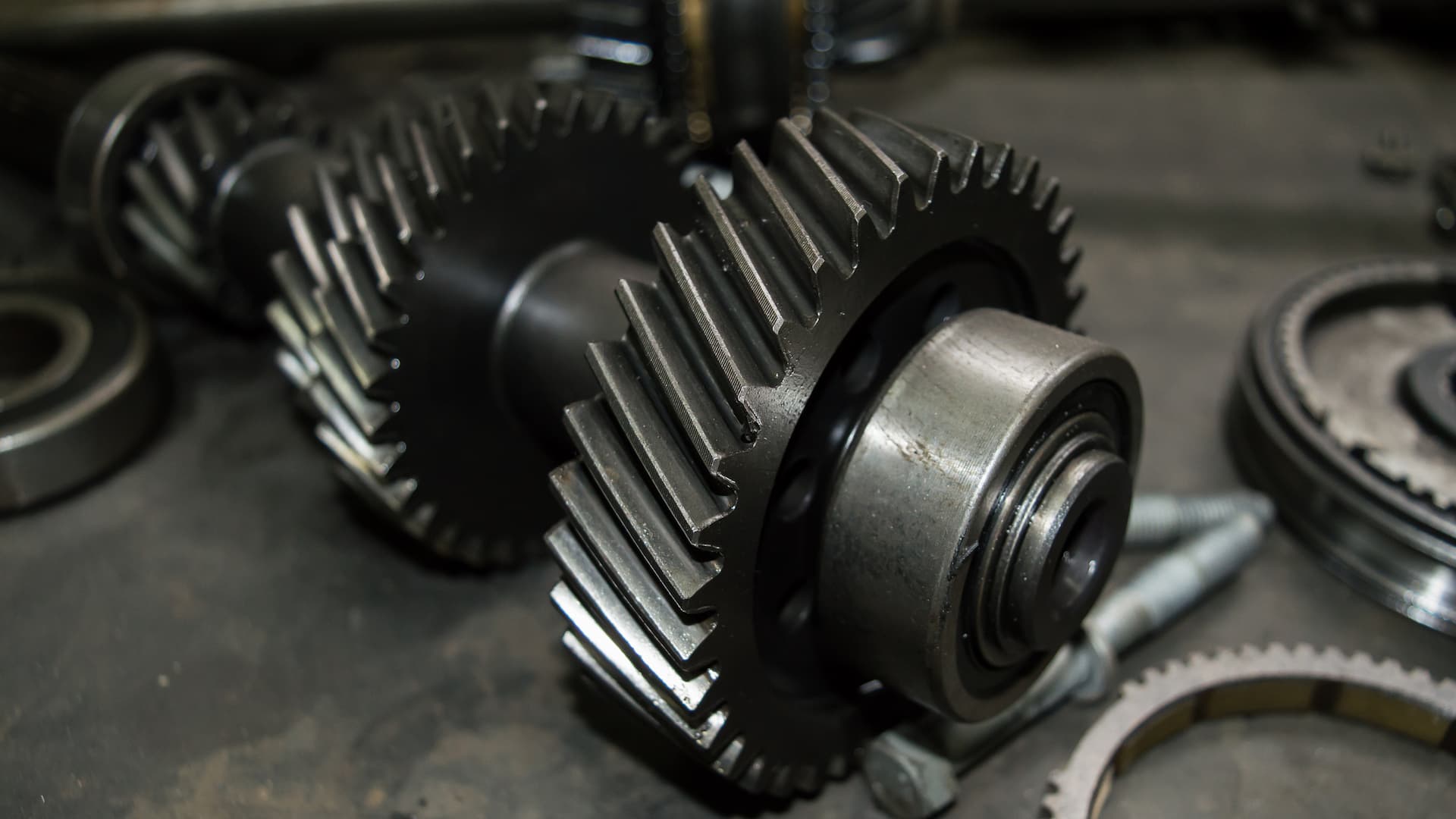
The input shaft bearing is a critical component that keeps the input shaft stable so power transfers cleanly from the engine to the gears.
But when it starts to wear out, you’ll hear strange sounds, feel vibrations, and notice gear shifts that don’t feel right. Ignore it, and this tiny part can turn a routine drive into a full-blown transmission disaster.
But don’t worry.
We’ll explore the red flags of a faulty input shaft bearing, whether it’s safe to drive with a bad one, and how to fix it.
This Article Contains:
- What Are the Symptoms of a Bad Input Shaft Bearing?
- How to Diagnose a Bad Input Shaft Bearing
- Can You Drive with a Bad Input Shaft Bearing?
- How to Replace a Bad Input Shaft Bearing: A General Know-How
- How Much Does an Input Shaft Bearing Replacement Cost?
What Are the Symptoms of a Bad Input Shaft Bearing?
Here are some signs that indicate potential input shaft bearing problems:
- Strange noises in neutral: When your vehicle is in neutral, you should hear nothing more than the engine’s steady hum. Unusual noises before shifting into gear often point to a worn input shaft bearing.
- Noisy transmission: A bad input shaft bearing causes the shaft to wobble inside the transmission. This misalignment creates metal-on-metal contact and excessive vibration, which results in whining or grinding noises that increase with engine speed.
NOTE: Unlike an output shaft issue, the noise will persist even when you stop the car. - Gear slips: Excess shaft movement can misalign the gear shafts, causing the car to slip between gears and risk serious damage.
- Engine vibrations: A bad bearing can send vibrations throughout the engine and transmission. This is especially prominent during clutch movement.
Got a hunch that your input shaft bearing is the troublemaker?
Let’s put it to the test.
How to Diagnose a Bad Input Shaft Bearing
Diagnosing or fixing an input shaft bearing isn’t your average DIY project — it means dismantling and rebuilding the transmission.
One wrong move can leave you with clutch trouble, serious transmission damage, or even sudden gear failure, all leading to a sky-high repair bill. That’s why this job is best left to a pro mechanic.
Here’s how they’ll diagnose a bad input shaft bearing:
- With the transmission in neutral and the clutch pedal released, they’ll listen for unusual noises. If the noises disappear when they press the clutch, it indicates a faulty input shaft bearing.
- Inspect the clutch linkage for wear or misalignment. Minor adjustments can resolve some noises.
- Check for insufficient lubrication, as it can wear out the input shaft bearing faster.
This brings us to the next important question:
Can You Drive with a Bad Input Shaft Bearing?
While you can technically drive with a faulty input bearing shaft, it’s not recommended.
As the shaft wobbles, the gears and synchronizers will fall out of alignment. This leads to rough shifting, disrupted power delivery, and weak acceleration.
Left unchecked, the extra friction from a bad input shaft bearing can wear out transmission parts and snowball into total failure. That’s why replacement isn’t just a fix — it’s damage control.
How to Replace a Bad Input Shaft Bearing: A General Know-How
Here’s how an expert professional will replace the input shaft bearing in a manual transmission:
- Disconnect the transmission from the engine and drain the transmission fluid.
- Remove the transmission from the vehicle and open it up by removing bolts and snap rings.
- Take out the input shaft, countershaft assembly, shift forks, and reverse gear.
- Locate the input shaft bearing in the case.
- Remove the old bearing using a puller, slide hammer, or by carefully tapping with a brass drift (brass rod).
- Apply assembly lube to the new bearing and press or lightly tap it into place until fully seated.
- Reinstall the input shaft, countershaft, and shift forks. Ensure washers, clips, and gears are correctly positioned.
- Clean case surfaces and apply RTV sealant (silicone gasket maker) or a new gasket.
- Close the transmission case and torque bolts according to the manufacturer’s specifications.
- Reinstall the transmission, reconnect to the engine, and refill with the proper transmission fluid.
- Test drive the vehicle to confirm smooth shifting and operation.
Wondering if this repair will dent your wallet?
Time to crunch some numbers.
How Much Does an Input Shaft Bearing Replacement Cost?
The average cost of swapping out an input shaft bearing is between $255 and $2,255. This includes:
- Parts cost: $15 to $45
- Labor cost: $240 to $2,210
Labor costs for repairing an input shaft bearing can be high due to the complex replacement process. Your final bill also depends on other factors, such as vehicle make and model, your location, transmission type, and the gearboxes you have.
Fix the Input Shaft Bearing Hassle-Free with AutoNation Mobile Service
A failing input shaft bearing isn’t just an annoying noise — it’s a serious warning sign that can lead to gear slips, loss of power, and major transmission damage if ignored.
Can’t make it to a shop?
No problem, AutoNation Mobile Service can come to you!
We’re a mobile auto repair and maintenance service that offers convenient online booking, upfront pricing, and a 12-month, 12,000-mile warranty on all repairs.
Get in touch with us, and keep your ride in gear with a smooth input shaft bearing.