
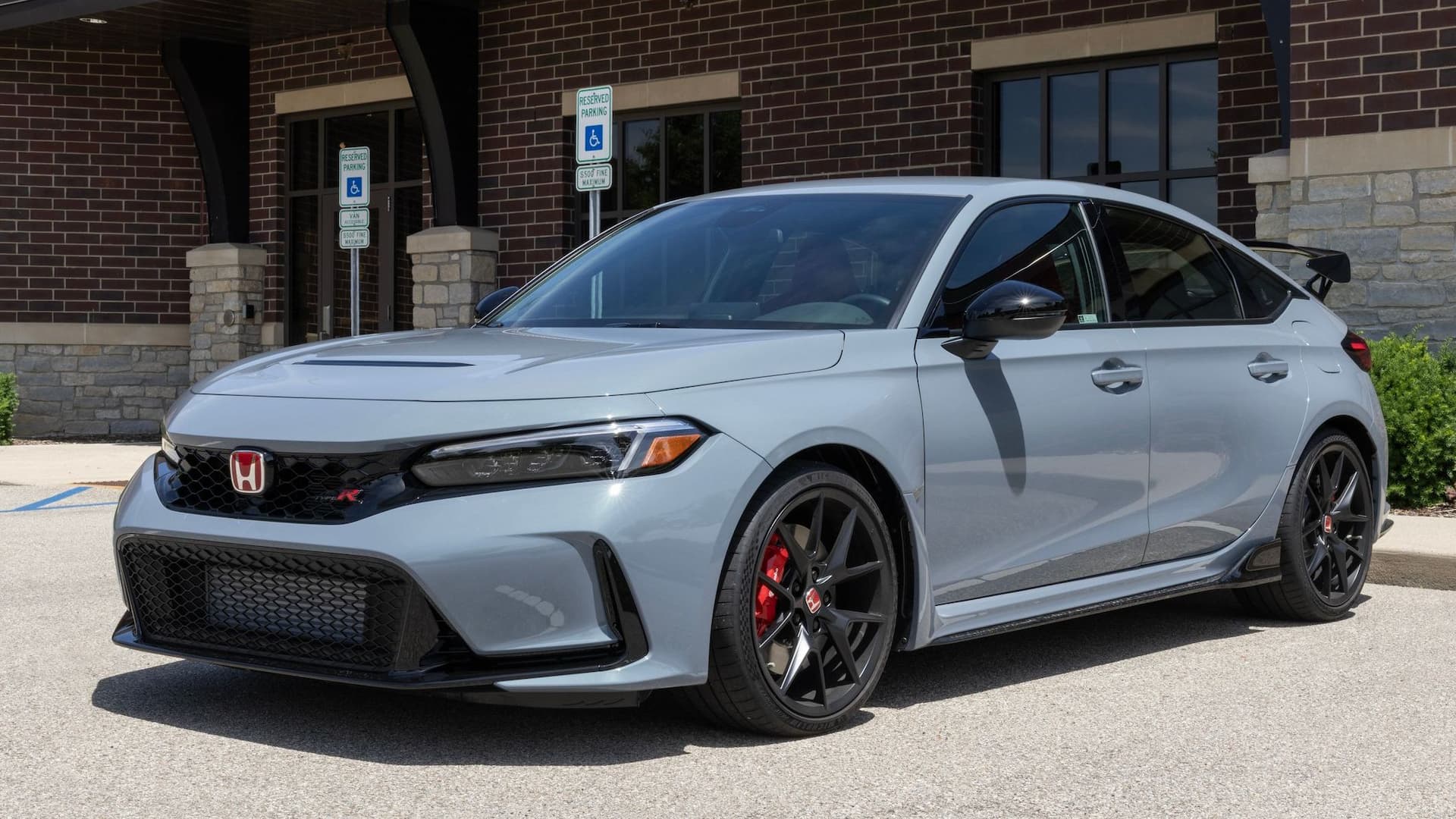
The Honda Civic stands out for its durable build, fuel efficiency, and dependable performance, making it a popular choice for daily commuting. While most model years are highly reliable with proper maintenance, some older versions were known to have issues such as transmission or air conditioning problems.
Key Reliability Factors for Honda Civic:
- Reliability ratings: The Honda Civic consistently earns strong reliability ratings and is regarded as one of the most dependable compact cars.
- Performance and build quality: Recent Honda Civic models stand out for their sharp handling, excellent fuel economy, smooth ride quality, and upscale cabin design.
- Known issues: Some model years have reported issues such as AC system issues, continuously variable transmission (CVT)-related concerns, minor infotainment system glitches, and suspension noise.
- Maintenance: The Honda Civic is generally affordable to maintain and known for its long lifespan. However, routine maintenance costs can vary based on the model year, mileage, driving conditions, and service history.
Top Model Years:
- 2015 Honda Civic: Known for its exceptional reliability, low ownership costs, and long-lasting engine performance.
- 2019 Honda Civic: Stands out for its modern safety features, fuel efficiency, refined cabin, and balanced performance.
- 2023 Honda Civic: Popular for its upscale interior, advanced technology, smooth handling, and strong overall value in the compact car segment.
- Other top Honda Civic years are 2013, 2017, 2019, and 2021.
Best Trim to Consider:
Honda Civic Type R, Civic LX, and Civic Si are some of the top trims to consider.
Thinking about buying a Honda Civic, but wondering how reliable it is?
We’ll break down its reliability ratings, ownership costs, common Honda Civic problems, and the most dependable model years to help make your research easier.
This Article Contains:
- Honda Civic Reliability Overview
- The Average Annual Cost of Maintaining a Honda Civic
- 7 Common Issues Affecting Honda Civic Reliability
- 6 Most Reliable Honda Civic Models & Trims Worth Owning
- Tips to Improve the Reliability of Your Honda Civic
- Honda Civic Warranty & Coverage: An Overview
Honda Civic Reliability Overview
Reliability surveys offer valuable insight into how the Honda Civic stacks up against other compact cars in terms of long-term reliability and overall ownership satisfaction.
Here’s a closer look at Honda Civic reliability ratings:
1. J.D. Power 2026
In the J.D. Power 2026 Vehicle Dependability Study, the Honda Civic received an overall reliability score of 85 out of 100. It also topped the list of compact cars.
Here’s how it fared in other areas of reliability:
- Quality and dependability: 84/100
- Driving experience: 84/100
- Resale value: 90/100
- Dealership experience: 83/100
2. Edmunds 2026
The Honda Civic received an overall score of 7.9 out of 10 from Edmunds. The rating comes after extensive evaluations of the 2026 Civic on real-world roads and controlled test tracks, with Edmunds conducting over 500,000 miles of independent car testing each year.
For drivers, this rating highlights the Honda Civic as a well-rounded compact car that delivers dependable performance, impressive fuel economy, and solid long-term value.
To understand the true cost of owning a new Honda Civic, it’s important to look beyond the purchase price and consider real-world maintenance and ownership costs.
The Average Cost of Maintaining a Honda Civic
The annual maintenance costs of the Honda Civic are around $370 on average, with both its frequency and severity of repairs lower than those of most cars.
Other factors supporting Honda Civic reliability include fewer annual visits to the repair shop and a lower likelihood of major repairs compared to many other compact vehicles.
Repair costs are only part of the story — the real question is which common Honda Civic problems can impact your vehicle’s performance and longevity.
7 Common Issues Affecting Honda Civic Reliability
Whether you have a used or new car, here are some reliability issues that Honda Civic owners can experience:
- CVT transmission problems: Some model years have reported issues with the CVT, including shuddering, hesitation during acceleration, whining noises, or delayed response at low speeds.
- Air conditioning failure: Faulty AC compressors and condensers are a well-known concern among Civic owners. This often leads to weak airflow, warm air from vents, or complete cooling failure.
- Engine oil dilution: Turbocharged Civic models equipped with the 1.5L engine have experienced oil dilution issues, where fuel mixes with engine oil. This may cause rough idling, reduced performance, or increased engine wear.
- Electronic parking brake problems: Honda Civic owners report issues with the electronic parking brake, like the brake failing to engage or release properly.
- Dashboard warning light issues: Intermittent brake system alerts, warning lights staying illuminated, or false dashboard warnings can affect highway safety. This may be caused by faulty sensors, electrical issues, or software glitches.
- Steering system problems: Certain Civics may develop sticky or stiff steering, especially at highway speeds, making steering feel less smooth or responsive.
- Infotainment system and audio glitches: Touchscreen freezing, Bluetooth connectivity problems, Android Auto problems, and backup camera malfunctions have been reported in some models.
Despite these issues, the Honda Civic still maintains a strong reputation for durability, reliability, and long-term ownership value.
6 Most Reliable Honda Civic Models & Trims Worth Owning
Here are some of the most reliable Honda Civic years:
- 2013 Honda Civic: A dependable model year praised for its standout ride quality, fuel efficiency, and lower number of reliability complaints compared to earlier ninth-generation Civics.
- 2015 Honda Civic: This reliable car is one of the more refined ninth-generation models, offering strong reliability, better miles per gallon (MPG) ratings, and fewer reported transmission or engine concerns.
- 2017 Honda Civic: This is an early standout from the tenth generation, known for its modern design, comfortable interior, and generally reliable performance when properly maintained.
- 2019 Honda Civic: The model is widely regarded as one of the best Civic model years thanks to its balance of reliability, better safety features, impressive (MPG) ratings, and a low number of serious owner-reported issues.
- 2021 Honda Civic: This newer model year comes with strong safety ratings, refined driving dynamics, and consistently high reliability scores, making it a solid long-term option.
- 2023 Honda Civic: The 2023 Honda Civic is a stylish, fuel-efficient compact sedan known for its refined ride and advanced driver-assist and safety features, like adaptive cruise control.
Best trims to consider:
- Honda Civic Type R: A high-performance Civic trim with a turbocharged engine, sport-tuned handling, aggressive styling, and track-ready performance.
- Honda Civic LX: The base Civic trim that offers strong fuel economy, essential safety features, and everyday practicality at an affordable price.
- Honda Civic Si: A sporty Civic variant featuring a turbocharged engine, manual transmission, sharper handling, and a more engaging driving experience.
Want to know how the Honda Civic stacks up against other models?
Keep reading to find out.
How Does the Honda Civic Compare to Other Reliable Compact Cars?
Here’s how the Honda Civic compares to other models:
- Toyota Corolla: It’s widely recognized for its excellent reliability, low maintenance needs, and long-term durability. However, the Honda Civic delivers a more refined interior, sharper handling, and a more engaging driving experience.
- Toyota Prius: It excels in fuel economy, while the Honda Civic offers stronger overall performance, smoother handling, and broader appeal for everyday driving.
- Hyundai Elantra: The Hyundai Elantra stands out for its modern tech features, competitive pricing, and generous warranty coverage. Meanwhile, the Civic is favored for its stronger resale value, refined driving dynamics, and long-term ownership reputation.
- Subaru Impreza: The Subaru Impreza offers standard all-wheel drive for better traction in poor weather, though repair and maintenance costs can sometimes be higher than those associated with the Honda Civic.
- Mazda3: The Mazda3 is known for its upscale interior quality and athletic handling. This makes it a strong alternative to the Honda Civic for drivers who want a more premium feel in a compact car.
- Kia Forte: The Kia Forte provides generous warranty coverage and good overall value, although Honda generally retains a stronger long-term reputation for reliability and resale strength.
- Nissan Sentra: The Sentra delivers a smooth ride and attractive pricing, but it has CVT reliability concerns. On the other hand, the Honda Civic is considered a more dependable long-term choice.
Choosing a Honda Civic sedan is just the first step. Whether you buy a new car or a used vehicle, staying on top of maintenance is the key to top-notch performance.
Tips to Improve the Reliability of Your Honda Civic
Adopting these practical habits can help minimize repair costs and keep your Civic running smoothly for the long haul:
- Stay on top of every oil change and use the recommended oil to help protect the engine and maintain strong long-term performance.
- If your Civic sedan is equipped with a CVT, replacing the transmission fluid at recommended intervals can help prevent shuddering, hesitation, and premature wear.
- Check your vehicle identification number (VIN) regularly for recalls, technical service bulletins, or software updates that may address known issues affecting performance.
- Since AC compressor and condenser problems are common in some Civic models, addressing weak cooling or unusual noises early can help prevent larger repairs.
- Don’t ignore check engine, brake, or steering warnings, as early diagnosis can prevent small electrical or sensor issues from becoming more serious and maintain highway safety.
- Follow the recommended service schedule for tires, brakes, and suspension components can help improve ride quality.
- Practice smooth driving habits, like avoiding aggressive acceleration and slowing down on rough roads, to reduce engine, transmission, and tire wear.
The Honda Civic also comes with Honda’s warranty, reflecting Honda’s commitment to quality while giving owners added peace of mind and protection against unexpected issues.
Honda Civic Warranty & Coverage: An Overview
Every new Honda Civic includes factory-backed warranty coverage:
- New Vehicle Limited Warranty: Every new Honda automotive vehicle is covered, including the 12-volt battery, for 3 years or 36,000 miles, whichever comes first. The tires are warranted separately.
- Powertrain Limited Warranty: The powertrain system in your new Honda is covered for 5 years or 60,000 miles, whichever comes first.
- Federal Emissions Warranties: The Emissions-related Defects and Performance Warranties cover the components, like the catalytic converter and oxygen sensors, that make up your Honda’s emissions control systems.
Get Easy Honda Civic Care with AutoNation Mobile Service
Routine maintenance helps keep your Honda Civic dependable, fuel-efficient, and ready for daily commuting. Addressing small issues early can help prevent costly repairs, maintain consistent engine performance, and give you added peace of mind.
AutoNation Mobile Service makes maintenance more convenient by bringing experienced technicians directly to your location for services like oil changes, tire rotations, and more.
You’ll also get transparent pricing, easy online scheduling, and a 12-month, 12,000-mile service warranty for extra confidence.
Schedule your service today to keep your Honda Civic in top shape.