
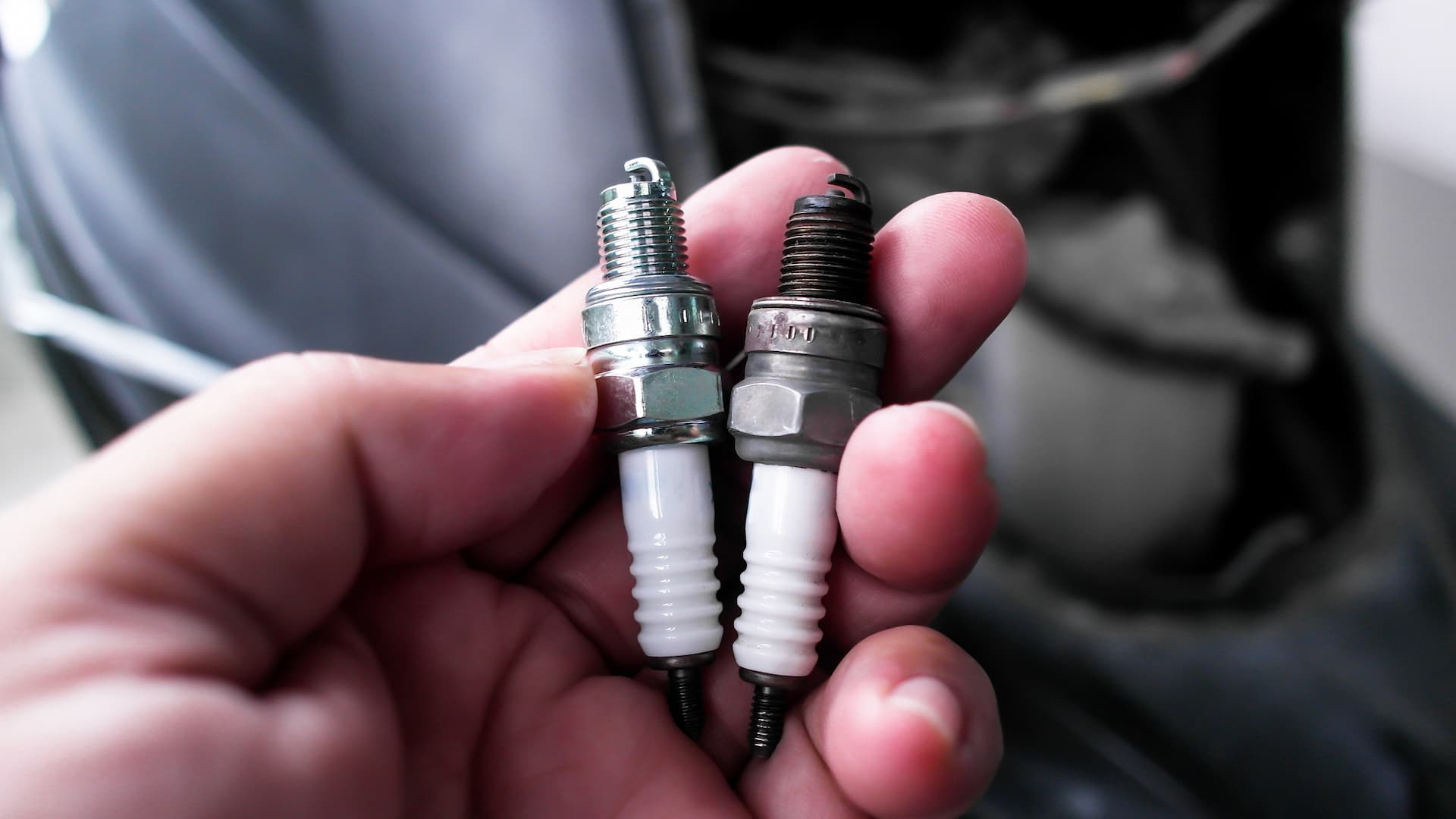
Spark plugs are small, inexpensive, and easy to overlook, right up until your engine starts misfiring or your gas mileage takes a nosedive. For something that costs just a few dollars per plug, they carry a lot of responsibility: igniting the air-fuel mixture that powers every combustion cycle in your engine.
The good news is that with a few straightforward habits, you can get the most out of your spark plugs and avoid premature replacements.
Let’s take a look.
How to Prolong the Lifespan of Your Spark Plugs
Most drivers never think about spark plugs until something goes wrong. These tips will help make sure that day comes later rather than sooner.
1. Know Your Replacement Intervals
Before anything else, it helps to understand how long spark plugs are actually designed to last.
Not all plugs are equal — material matters a lot:
- Copper spark plugs are the most basic and typically need to be replaced every 20,000 to 30,000 miles.
- Platinum spark plugs offer improved durability and can last from 50,000 to 100,000 miles.
- Iridium spark plugs are the longest-lasting option, often lasting 75,000 to 100,000+ miles.
If your vehicle came with iridium or platinum plugs from the factory, stick to the same type when replacing them. Downgrading to copper just to save a few dollars upfront will cost you more in the long run.
TIP: Always check your vehicle’s owner manual for its specific spark plug type and replacement schedule.
2. Use High-Quality Fuel
The fuel you put in your tank directly affects how long your spark plugs last.
Low-quality gasoline tends to leave behind more carbon deposits on the plug electrodes over time. That buildup interferes with spark efficiency and can eventually lead to fouling, where the plug can no longer fire reliably.
Top-tier gasoline contains better detergent additives that help keep the combustion chamber cleaner. Over time and thousands of miles, this can make a noticeable difference in engine performance and cleanliness.
3. Keep Up with Oil Changes and Air Filter Replacements
Two of the most common causes of spark plug fouling are dirty oil and a clogged air filter — both of which are entirely preventable.
When engine oil gets old and breaks down, it can make its way into the combustion chamber and coat the spark plugs with residue. Regular oil changes, done on schedule with the right grade of oil, keep this from becoming a problem.
A dirty air filter restricts airflow to the engine, which throws off the air-fuel ratio and leads to incomplete combustion. That unburned fuel ends up on your spark plugs.
It’s recommended to replace the air filters every 12 months or 12,000 miles, especially in dusty conditions, as this helps protect your plugs and improve fuel economy.
4. Avoid Aggressive Driving
Your driving habits directly affect how quickly your spark plugs wear out.
Frequent hard acceleration, high-RPM driving, and lots of short trips that never fully warm up the engine all put extra strain on your ignition system.
Short trips are particularly hard on spark plugs because the engine never reaches its optimal operating temperature, leading to incomplete combustion and faster carbon buildup.
Solution: Combine short errands into longer trips to give your engine time to warm up and burn cleanly.
5. Address Engine Issues Early
Worn or fouled spark plugs rarely fail without warning. The signs are usually there if you know what to look for:
- Rough idling or a shaky feel at a stop
- Sluggish acceleration or reduced power
- Increased fuel consumption
- Difficulty starting the engine
- A check engine light, which can sometimes indicate a misfiring cylinder
Ignoring these symptoms doesn’t just wear out your spark plugs faster — it puts unnecessary stress on your catalytic converter and other engine components, turning a cheap fix into a costly one.
6. Inspect and Install Spark Plugs Correctly
When it’s time to replace your spark plugs, proper installation is just as important as choosing the right plugs, which is why the job is best left to a professional mechanic.
Over-tightening can damage the spark plug threads, while under-tightening can cause misfires or allow the plugs to loosen over time.
A mechanic will use a torque wrench to tighten the plugs to the manufacturer’s specifications, check the electrode gap, and apply anti-seize compound to the threads for lasting performance.