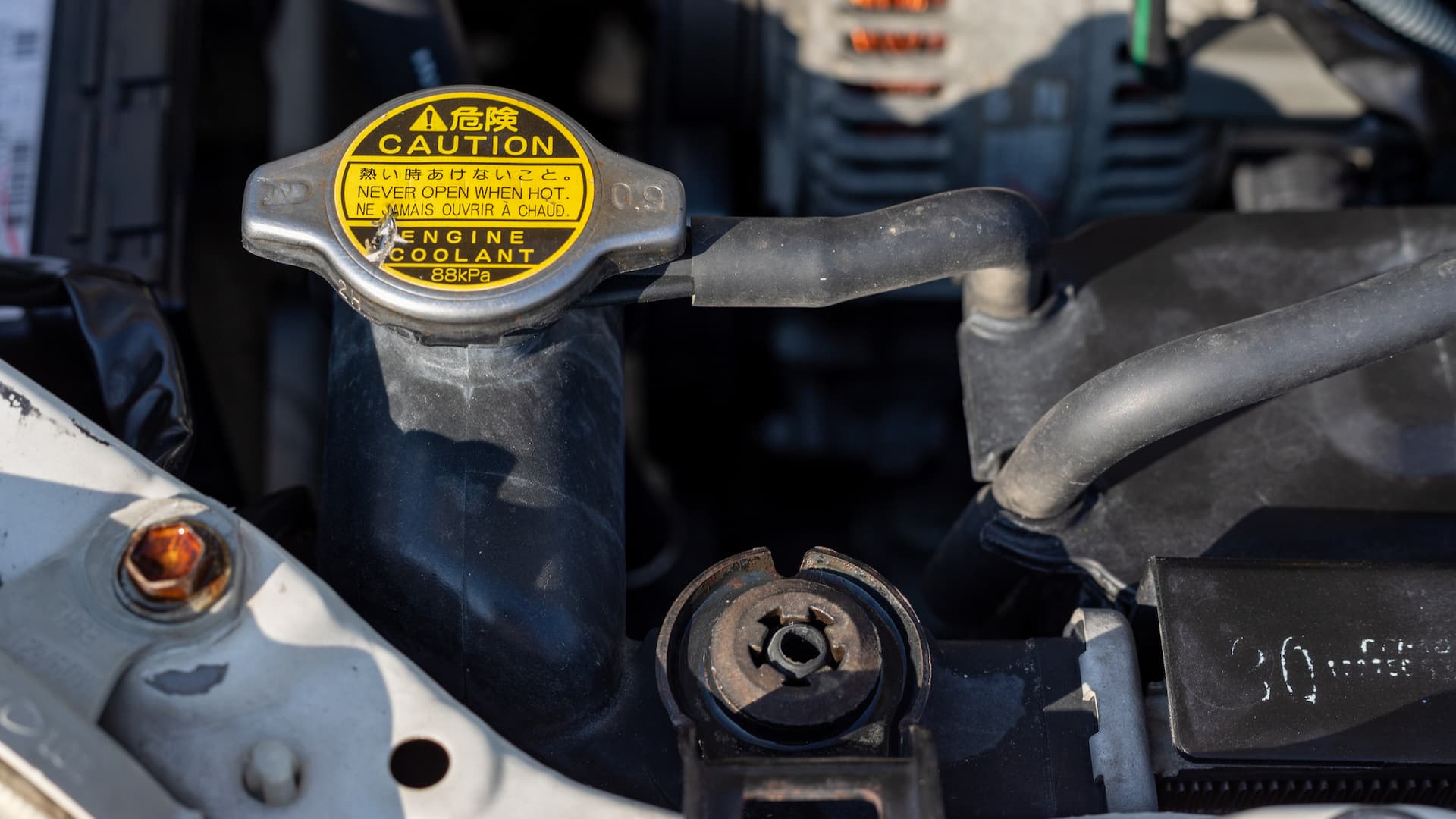
If your car’s temperature gauge keeps climbing into the red zone or you’re constantly topping off coolant, it’s your car’s way of saying, “Something’s not right.”
That’s where a coolant pressure test comes in — a quick, simple check that can reveal hidden leaks and weak spots before they lead to major engine trouble.
Let’s look at how much a coolant pressure test costs, what affects the price, and why it’s one of the smartest maintenance steps you can take to prevent engine damage.
This Article Contains:
- How Much Does a Coolant Pressure Test Cost?
- 5 Signs Your Car May Need a Coolant Pressure Test
- What Happens During a Coolant Pressure Test?
- Is a Coolant Pressure Test Worth It?
- How Often Should You Test the Coolant Pressure?
- How to Perform a Coolant Pressure Test: A General Know-How
- How Can You Keep Your Cooling System Trouble-Free?
How Much Does a Coolant Pressure Test Cost?
Here’s what you might pay for the test:
A. Range
The cost of a coolant pressure test largely depends on how you choose to get it done:
- Professional test at a repair shop: $40 to $170
- DIY with a tester kit: $10 to $250
NOTE: The test takes approximately 30 minutes to complete.
B. Factors Affecting Cost
Several factors can influence the cost of a coolant pressure test. Here’s a quick look:
- Vehicle type and make: Luxury or high-performance cars typically have more complex cooling systems that require specialized tools or trained technicians, which can increase the cost. Larger commercial vehicles also require longer inspection times, adding to labor costs.
- Tools and technician expertise: Shops that use advanced equipment, like digital pressure testers or leak detectors, may charge more than those using basic tools. You’re also paying for the mechanic’s skill as they can diagnose issues more swiftly and accurately.
- Scope of the test: A standard pressure test is straightforward, but if the mechanic performs additional checks, such as topping up coolant or testing the radiator cap, expect a slightly higher bill.
- Location and labor rates: Prices are generally higher in urban areas or dealerships due to higher overhead and labor rates. Independent or rural shops typically charge less.
- Repairs after the test: The pressure test itself only identifies the issue. If your mechanic spots a leak in the radiator, hoses, or water pump, you’ll need to pay separately for those repairs. For example, replacing the radiator may cost between $1,100 and $1,260.
But how can you tell if it’s time for a pressure test?
5 Signs Your Car May Need a Coolant Pressure Test
If you spot any of these warning signs, it’s a good idea to schedule one soon:
- Engine overheating: If the temperature gauge climbs higher than usual or your car overheats frequently, there could be a loss of pressure or coolant.
- Coolant level keeps dropping: When you frequently refill coolant but don’t see visible leaks, it may be escaping internally due to a hidden fault.
- Sweet smell under the hood: A sugary or syrup-like odor while driving often means coolant is seeping from a small leak.
- White smoke from the exhaust: This could mean coolant is entering the engine’s combustion chamber — a sign of a possible head gasket issue.
- Bubbles in the coolant reservoir: Continuous bubbling can indicate that air or exhaust gases are leaking into the cooling system.
With the signs covered, let’s understand how this test can help diagnose problems in your cooling system.
What Happens During a Coolant Pressure Test?
During the test, a mechanic applies pressure to the system using a hand pump and gauge, simulating the conditions when the engine is running at high temperatures.
If the pressure stays steady, the system is sealed. If it drops, it signals a leak somewhere, whether in a hose, radiator, water pump, or even inside the engine itself.
It’s a simple test that can help mechanics detect:
- Leaks in the radiator, hoses, or gaskets
- Blockages that restrict coolant flow
- Failing or worn-out water pump
- Corrosion or damage within engine components
- Incorrect coolant levels or mixtures
This brings us to our next question:
Is a Coolant Pressure Test Worth It?
Absolutely.
A coolant pressure test is a small yet crucial step in keeping your car’s cooling system in optimal condition. It helps:
- Prevent overheating: Even a small leak can lower coolant levels, causing the engine to overheat and potentially leading to severe damage.
- Detect hidden leaks: Many leaks aren’t visible on the surface, but a pressure test can reveal even minor or hard-to-find leaks.
- Save money on repairs: Catching a leak early can prevent expensive fixes later, such as a blown head gasket or damage to critical engine components.
- Protect engine health: A properly sealed cooling system maintains the engine at the optimal temperature, enhancing performance and extending its lifespan.
Now you must be wondering…
How Often Should You Test the Coolant Pressure?
The right interval for a coolant pressure test varies by vehicle, but most cars benefit from one every 12,000 to 24,000 miles or as outlined in your car owner’s manual.
Let’s take a closer look at how it’s done.
How to Perform a Coolant Pressure Test: A General Know-How
A coolant pressure test requires accuracy, proper tools, and experience. Even a small mistake can lead to false readings or damage the system, which is why it’s best handled by a certified mechanic. They have the right equipment and know exactly what to look for.
Here’s how they’ll typically perform the test:
- Park on ground level, let the engine cool completely, and remove the radiator cap carefully.
- Attach the tester to the coolant reservoir or radiator, and pump it to match the system’s recommended pressure.
- Monitor the pressure gauge closely, as a drop in pressure means coolant is escaping somewhere.
- Inspect the radiator, hoses, water pump, and engine bay for fluid leaks or damp spots.
- Once the test is done, release the pressure, disconnect the tester, and reinstall the radiator cap.
What Happens If a Leak Is Found?
If the test reveals a leak, the mechanic will repair or replace the affected part before it leads to more significant engine problems. Common fixes include:
- Replacing cracked or worn hoses that are allowing coolant to escape
- Repairing or replacing the radiator if it’s leaking or corroded
- Installing a new water pump when coolant leaks from its seals
- Replacing a damaged head gasket if coolant is entering the combustion chamber
- Fitting a new heater core if coolant is leaking into the cabin
While a pressure test can uncover issues, repairing them can be costly. Luckily, staying on top of routine maintenance can help prevent most cooling system problems.
How Can You Keep Your Cooling System Trouble-Free?
Follow these steps to ensure your car’s cooling system stays in top shape:
- Check coolant levels regularly: A sudden drop usually means there’s a leak somewhere in the system.
- Inspect hoses and clamps: Look for cracks, bulges, or loose fittings, and get any worn parts replaced right away.
- Flush and refill coolant on schedule: Fresh coolant helps prevent rust, corrosion, and buildup inside the system.
- Keep an eye on the temperature gauge: If it’s running hotter than usual, don’t ignore it — have the system inspected before it leads to overheating.
Trust AutoNation Mobile Service to Keep Your Car Cool
Think of a coolant pressure test as your car’s early warning system. It catches tiny leaks before they become major problems, keeping your engine running smoothly all year.
If you’re noticing overheating, low coolant levels, or a sweet smell under the hood, don’t wait — schedule a pressure test with AutoNation Mobile Service today. We offer convenient mobile repairs, upfront pricing, and a 12-month, 12,000-mile warranty.
Contact us and let our technicians cool off your car troubles right from your driveway.