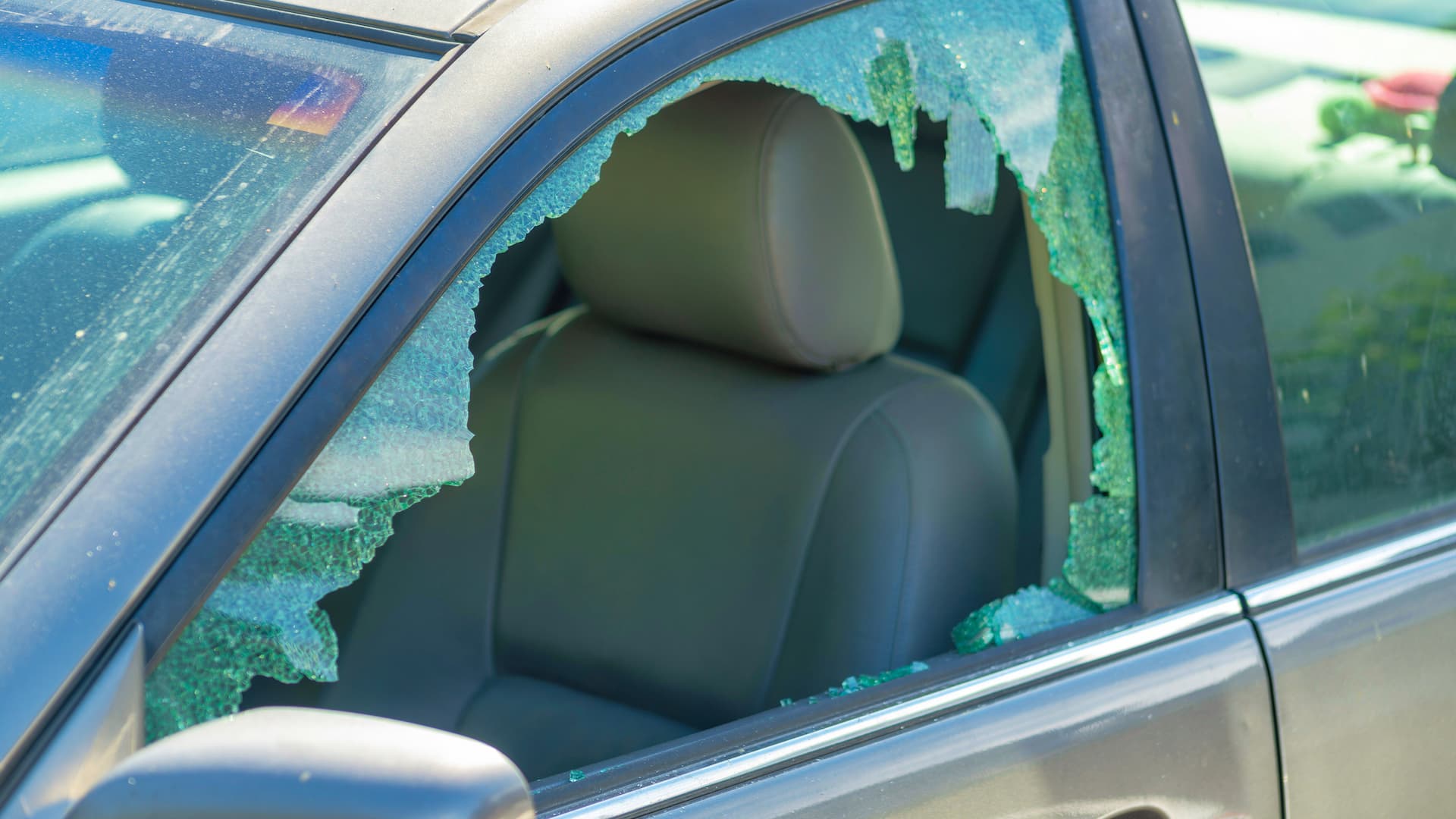
A car window replacement isn’t cheap, but it’s an investment in your safety and your car’s security.
On average, replacing a car window costs $100–$500, though luxury cars or vehicles with advanced tech (like ADAS) can push that bill to $1,000 or more.
Factors like vehicle type, glass features, and labor cost drive this wide range.
For more details and a breakdown of costs, keep reading.
This Article Contains
- How Much Does a Car Window Replacement Cost?
- What Affects Car Window Replacement Costs?
- Is It Worth Replacing a Damaged Car Window?
- Signs Your Car Window Needs Replacing
- Does Your Auto Insurance Provider Cover Window Replacement Costs?
How Much Does a Car Window Replacement Cost?
Here’s a ballpark breakdown:
- Side window: $100–$350
- Rear window: $150–$500
- Windshield: $200–$600 (but can reach over $1,000 for a luxury model or vehicle type that needs ADAS sensors or camera recalibration)
Older classics or cars with unusual glass shapes can run much higher. Even something as small as a triangular side window can cost more than you’d expect because of tricky installation. Also, if the vehicle damage goes beyond just the glass — like a bent frame — repairs can climb from hundreds to thousands of dollars.
What Affects Car Window Replacement Costs?
5 factors that influence what you pay for a car window replacement:
1. Window Type
The type of window matters most:
- Side windows are typically smaller, made of tempered glass, and easier to replace, keeping costs low.
- Rear windows often include a defroster grid and require extra steps during installation, which makes them more expensive.
- Windshields are in a category of their own. They’re laminated for safety, usually house sensors or cameras, and provide structural support for the car.
Most side or rear window jobs take only a few hours. Meanwhile, a complex windshield replacement with sensors is more labor-intensive and costly than any other glass panel.
2. Glass Type
There are generally two forms of auto glass:
- Tempered glass: Typically used for side and rear windows. It’s designed to shatter into tiny, relatively harmless pieces and is cheaper.
- Laminated glass: Usually found in windshields and some luxury side windows. It’s stronger and quieter but comes at a higher price point.
The difference between tempered and laminated glass can easily add $100 or more to the final bill.
3. Glass Quality
The source defines the quality of the glass:
- OEM (Original Equipment Manufacturer) glass: Built to the exact specifications of your car’s maker. The original equipment manufacturer standard guarantees the best fit.
- Aftermarket: Cheaper and usually fine, though tint or fit might not be perfect.
- Recycled or salvage: This option is budget-friendly and eco-friendly, and can cut the price by nearly half. That said, you’ll want to be sure it’s in good condition since there’s no guarantee it’ll last as long as brand-new glass.
4. Window Features
Extra features make a big difference in cost. Power windows involve motors and regulators that may need fixing, and rear defrosters add wiring that must be handled carefully. Advanced features like rain sensors, antennas, or ADAS sensors can push costs even further, especially if recalibration is needed after replacing the glass.
5. Service Location
The total labor cost is usually billed by hours. An urban repair shop often charges more for labor than a rural one, so choosing a smaller local shop may lower the overall bill.
The technician’s experience can also influence costs, since seasoned professionals often work faster and more accurately.
Is It Worth Replacing a Damaged Car Window?
In short: yes.
Even a small chip from flying debris can spread into a dangerous crack. A cracked windshield compromises the car’s structural integrity and can fail in a collision, putting everyone inside at risk.
Side and rear windows protect against theft and the elements. Leaving them cracked makes it easier for thieves to break in and for rainwater to damage your seats, carpets, and electronics.
Driving with damaged glass can also get you in trouble with the law. In many states, driving with a windshield crack that blocks the driver’s view is illegal. Also, the experience of driving with obscured visibility is both unsafe and stressful.
That said, an auto glass repair (rather than replacement) can sometimes save money:
- Windshield cracks under 3 inches can often be sealed with epoxy, stopping them from spreading. But if the crack reaches the edge, is deep, or has had a windshield repair before, it’s time for a replacement.
- The side or rear window usually can’t be repaired once cracked, since tempered glass tends to shatter.
Signs Your Car Window Needs Replacing
Not every chip means a new window, but some signs make replacement the safer choice:
- Cracks at the edges: Once a crack reaches the edge, the glass loses strength and can spread quickly.
- Multiple cracks or shattered glass: A web of cracks or broken fragments can’t be repaired — replacement is the only option.
- Wind noise or leaks: Whistling sounds or water dripping inside mean the seal has failed, risking interior damage. If your window fogs or leaks, it’s only a matter of time before the damage worsens.
- Blocked visibility: Cracks in your line of sight distort vision and can get you ticketed for unsafe driving.
- Faulty window operation: If a power window sticks, misaligns, or won’t move, the glass or regulator is likely compromised.
- Worn-out glass: Old, pitted windshields are harder to repair and less safe, making replacement the better long-term fix.
Does Your Auto Insurance Provider Cover Window Replacement Costs?
The good news: Many insurance policies do cover it.
Comprehensive coverage usually pays for glass damage from non-collision events — like storms, road debris, or vandalism. Many insurance policies include comprehensive coverage for glass replacement and recalibration when ADAS sensors or cameras are involved.
However, every insurance company has different rules. Some may limit what’s included under the insurance coverage, require you to use approved repair shops, or submit claim forms before authorizing work.
You’ll also need to check your deductible. For example, if your replacement costs $300 but your deductible is $500, you’ll be paying out of pocket, since insurance won’t help. Some states even require zero-deductible glass coverage for windshields.
The Bottomline on Car Window Replacements
Car windows do more than let you see out. They keep you safe, comfortable, and dry. But when one cracks or shatters, replacing it isn’t just about looks; it’s about safety. If the glass is badly cracked, leaking, or blocking your vision, don’t wait — get it replaced before it causes bigger (and pricier) problems.
Always confirm the details directly with your insurance company before scheduling glass work, and check what’s included under insurance coverage, especially if ADAS recalibration is involved.
If you need help with a car window fix or any other vehicle maintenance, why not contact AutoNation Mobile Service?
Our expert technicians are available 7 days a week, we offer quotes upfront, and every job is backed by a 12-month/12,000-mile warranty.
Best of all, you can schedule service online at your convenience.