
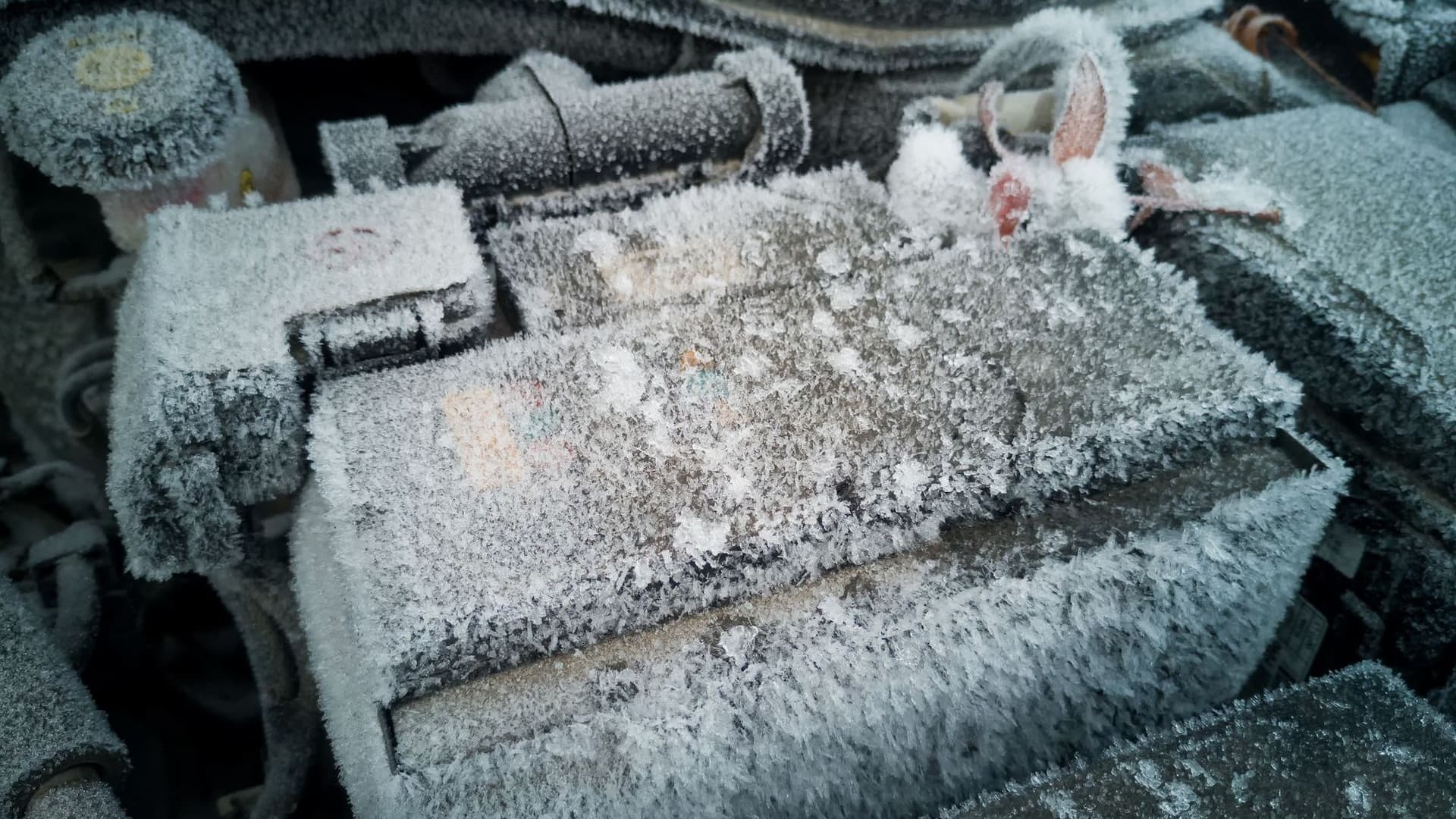
Ever step into your car on a freezing morning, turn the key, and hear… just cold, awkward silence?
That’s usually your battery losing the battle against winter.
The silver lining?
Cold weather doesn’t instantly kill batteries, and most winter failures are preventable with the right awareness and timing.
Let’s break down if a car battery can die from cold temperatures, why winter is peak failure season, and what you can do to avoid getting stranded when it’s coldest.
This Article Contains:
- Can a Car Battery Die From Cold?
- How Does Cold Weather Impact Car Batteries?
- What Are the Symptoms of a Bad Battery?
- How to Prevent a Dead Battery on a Cold Morning
Can a Car Battery Die From Cold?
In most cases, batteries don’t ‘die’ from the cold — they simply lose the ability to deliver enough power for cold starts. Battery power depends on age, condition, and temperature, which is why even healthy batteries can struggle to start a car after sitting overnight in freezing weather.
Permanent damage usually occurs only at extremely low temperatures around –76°F (–60°C), when the battery can freeze internally and crack.
However, if the battery isn’t fully charged, freezing can happen at much higher temperatures.
If you’d like to explore more common causes of battery failure, check out our blog on why car batteries die.
So what’s actually happening under the hood when temperatures drop?
Let’s find out.
How Does Cold Weather Impact Car Batteries?
Here’s what the cold really does to your battery:
1. Batteries Struggle to Start in Cold Weather
Cold weather thickens engine oil, making the engine harder to turn over and increasing the demand on the battery.
At the same time, low temperatures slow the battery’s internal chemical reactions, reducing its power output by up to 60% in freezing conditions — especially in older batteries.
2. Batteries Struggle to Warm Up
Even if your car does start, the battery faces another challenge: recharging.
Cold temperatures reduce the efficiency of the chemical process that restores the battery’s charge. And because batteries don’t generate heat, they stay cold and inefficient longer than the engine.
This is especially problematic during winter short trips, where repeated cold starts and limited driving time prevent full recharging. This leads to a gradual loss of power and premature failure.
3. High Power Demand Drains Batteries Faster
Winter accessories, such as heaters, defrosters, and heated seats, draw heavily on the battery, which is already weakened by the cold. Add device charging to the mix, and the extra load can quickly lead to an unexpected dead battery.
But here’s the good news: Your battery usually doesn’t fail quietly; it throws red flags before it flatlines.
What Are the Symptoms of a Bad Battery?
Get a professional mechanic as soon as you spot these warning signs:
- Slow engine cranking when starting, especially in cold weather.
- The headlights or interior lights appear noticeably dimmer than usual.
- Frequent need for jump-starts, which suggests the battery can no longer hold a charge.
- Visible damage, like swelling, leaks, or corrosion around the terminals.
- Clicking sounds when turning the key, indicating the battery lacks sufficient power to engage the starter motor.
- A lit battery warning light, which may point to a charging system or alternator issue affecting the battery.
That said, a few smart moves now can keep your battery alive — even when winter tries to pull the plug.
How to Prevent a Dead Battery on a Cold Morning
Follow these tips to keep your battery powered up when temperatures drop:
- Get your battery tested annually before winter. A battery test can catch a weak one before it dies entirely.
- Clean your battery terminals. Corroded battery terminals may prevent your battery from charging properly.
- Ensure your battery has the correct CCA (Cold Cranking Amps) number for your climate. The CCA rating indicates how effectively the battery can start your engine in cold conditions.
- Park in a garage or carport to help shield your vehicle from extreme cold. This helps your battery stay warm and hold its charge more effectively.
- Before starting your car, turn off non-essential electronics, such as the radio or heater. Unplug devices, such as mobile phones, when the engine isn’t running. This reduces unnecessary battery drain and ensures maximum power is available for starting.
- Use a battery blanket if you live in extreme cold weather, as it helps keep the battery warm, improves cold-start performance, and extends battery life.
- Be sure to keep up with your oil change schedule, especially during the winter months.
- Take regular, longer drives to maintain your battery’s health in winter. Longer drives let the alternator restore the battery’s charge — even in cold temperatures.
Get Your Battery Winter-Ready with AutoNation Mobile Service
As temperatures fall, your battery has to work harder while producing less power, making winter the peak season for surprise breakdowns.
The upside? A little awareness and preventive care go a long way in keeping your car starting strong all winter.
If getting to a shop isn’t an option, AutoNation Mobile Service can come straight to your driveway.
Our mechanics deliver reliable car repairs and maintenance services seven days a week, with upfront pricing and a simple online booking process. For added confidence, every service also comes with a 12-month, 12,000-mile warranty.
Contact us to stay charged when the temperature drops.