
You can expect to pay around $150-$650 for an axle seal replacement, though repairs on some AWD, 4WD, and luxury vehicles may cost more.
An axle seal helps prevent differential or transmission fluid from leaking where the axle exits the vehicle. Over time, heat, wear, dirt, and contamination can cause seal failure. Even a small leak may lead to serious damage to bearings, brakes, or the differential if fluid loss becomes severe.
Below, we’ll cover what affects axle seal replacement cost, signs of a leaking axle seal, whether it’s safe to keep driving, and more.
This Article Contains
- How Much Does Axle Seal Replacement Cost?
- What Affects Axle Seal Replacement Cost?
- Is It Worth Replacing an Axle Seal?
- Signs You Need an Axle Seal Replacement
- Can You Drive With a Leaking Axle Seal?
- How Long Do Axle Seals Last?
- Rear Axle Seal vs Front Axle Seal
How Much Does Axle Seal Replacement Cost?
The average cost of an axle seal replacement usually ranges from $150 to $650, but on some AWD, 4WD, and luxury vehicles, repairs may exceed $800.
In many cases, the seal itself is relatively inexpensive. Parts typically cost between $50 and $150, while labor usually ranges from $100 to $500 or more, depending on the vehicle and repair complexity.
What Affects Axle Seal Replacement Cost?
Labor is usually the biggest contributor to the total for an axle seal replacement, since some repairs require significantly more disassembly and shop time than others.
Let’s take a closer look at typical factors that can increase the final repair cost:
- Front vs rear axle accessibility: Rear axle seal repairs on some trucks and SUVs may require additional teardown, while front axle repairs can involve suspension component and CV axle removal. Depending on the vehicle model and drivetrain layout, some seals may take significantly more labor time to access in the shop.
- AWD or 4WD drivetrain complexity: AWD and 4WD vehicles often require additional labor and extra parts removal during the repair process. More complex drivetrain systems raise both repair time and cost.
- Rusted or seized components: Corrosion can make axle, suspension, and brake parts harder to remove safely, increasing labor time and repair difficulty.
- Differential or transmission fluid service: In many cases, fluid must be drained and replaced during the repair, adding to the total service cost.
- Damage to the axle shaft or bearings: A severe fluid leak can reduce lubrication and damage nearby drivetrain components. Worn bearings or a damaged axle shaft can significantly increase repair costs.
- CV joint or CV axle wear: Some front axle seal repairs uncover wear in the CV joint or CV axle assembly that may need attention at the same time.
- Local labor cost rates: Auto repair labor rates vary depending on location, vehicle demand, and the experience level of the mechanic or technician performing the repair.
Low fluid levels, grease buildup, dirt contamination, and prolonged wear can also create additional drivetrain noise and shorten the life of nearby components.
Is It Worth Replacing an Axle Seal?
In most cases, yes. Replacing a leaking axle seal early is usually worth it because the repair is often much cheaper than dealing with larger drivetrain problems later.
The seal itself is relatively inexpensive, but ignoring the leak can lead to a much more expensive repair if low fluid levels begin to damage bearings, gears, or other axle components. Fixing the problem early may also help save money by preventing additional wear inside the drivetrain.
Even on older vehicles, axle seal replacement is often worthwhile if the axle and differential are sound. If you notice fluid leaks, drivetrain noise, or vibration, a mechanic can inspect the area and confirm whether the seal is causing the problem.
Signs You Need an Axle Seal Replacement
A leaking axle seal can cause several noticeable symptoms, especially as fluid levels drop and nearby drivetrain components begin to lose proper lubrication.
Here are some of the most common signs to watch for:
1. Fluid Leaks Near the Axle or Wheel
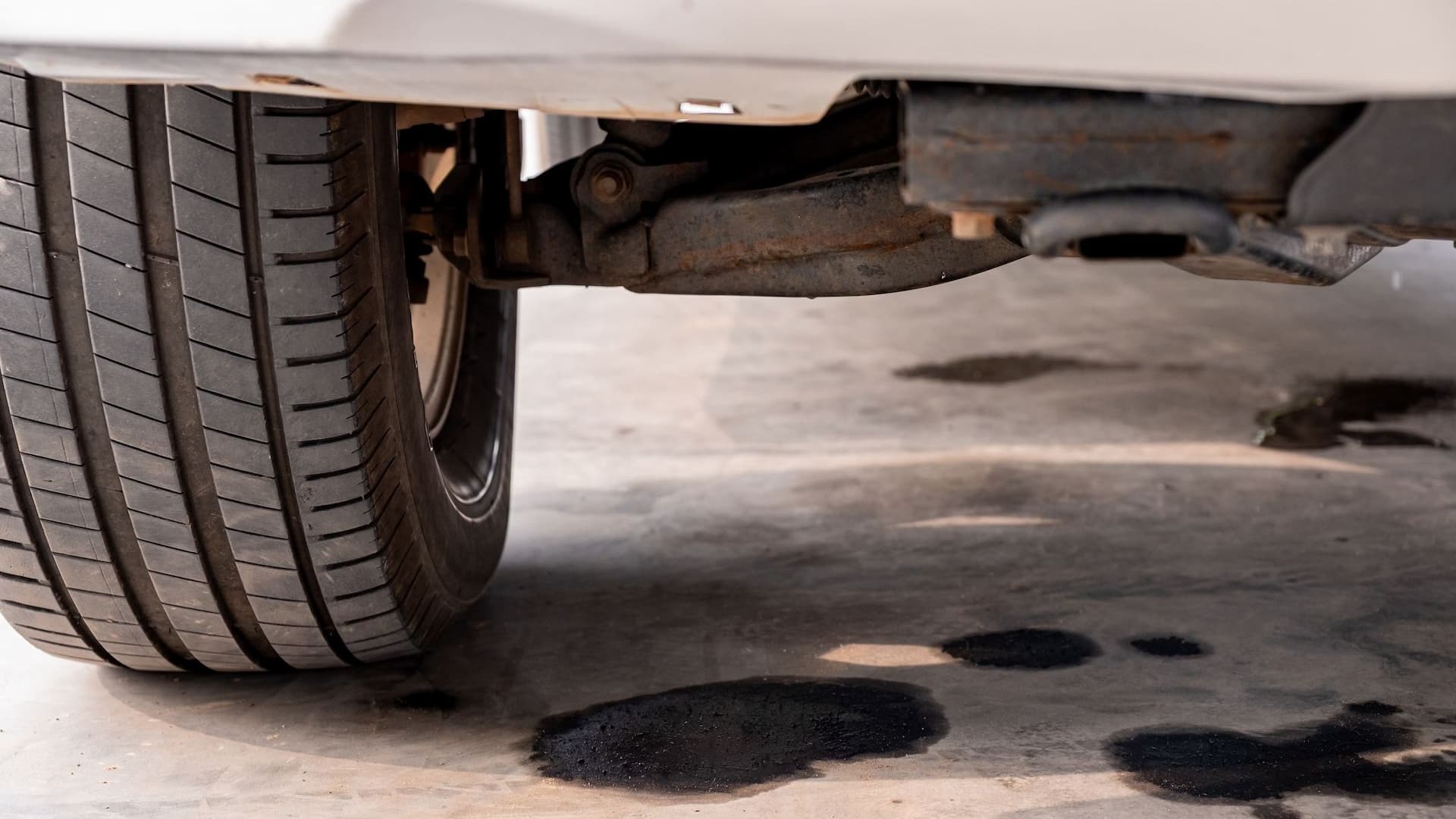
One of the most common signs of a leaking axle seal is fluid around the axle housing or inside the wheel. Differential fluid is dark brown or amber and leaves a greasy residue around the rear axle or suspension components.
A fluid leak near the axle shouldn’t be ignored, especially if it becomes more pronounced over time.
2. Burning Smell
A damaged axle seal may allow transmission fluid or differential fluid to contact hot metal components underneath the vehicle, causing a burning smell while driving.
3. Grinding, Whining, or Humming Noises
Low fluid in the differential reduces lubrication, causing grinding, whining, or humming noises. These can mimic bearing or CV joint issues.
If left unchecked for too long, the damage may spread to more expensive parts within the axle assembly.
4. Grease Around the Wheel Area
Grease buildup near the axle or wheel can indicate seal failure. Dirt may stick to the grease, forming a thick buildup on suspension or brakes.
5. Squealing Noises
In some situations, leaking fluid can reach brake components, causing squealing during braking. The fluid can make parts sticky and reduce braking performance. This is one reason axle seal repair should not be delayed for too long.
6. Vibrations or Handling Changes
More advanced leaks may eventually contribute to drivetrain vibration or handling changes while driving. Low lubrication levels can increase wear inside the axle assembly and place additional stress on rotating components.
Can You Drive With a Leaking Axle Seal?
It depends on how severe the leak is.
A small amount of seepage may not immediately affect drivability, and short-term driving may still be possible. However, an active leak can eventually reduce lubrication inside the axle assembly and create more serious drivability concerns over time.
In some cases, leaking fluid may also spread onto nearby brake components. While a leaking axle seal doesn’t automatically lead to accidents, heavy leaking, drivetrain noise, or strong vibration shouldn’t be ignored.
If the leak becomes severe enough, continued driving could lead to major drivetrain damage or even a broken axle in extreme cases. It’s best to have the vehicle inspected before the problem worsens.
How Long Do Axle Seals Last?
Axle seals typically last 100,000 to 150,000 miles, sometimes the vehicle’s lifetime.
However, several factors can shorten seal life, including:
- Heat and age
- Dirt and contamination
- Off-road driving
- Bearing wear
- Frequent towing or heavy loads
- Damaged axle surfaces
Most axle seal leaks develop gradually over time rather than failing suddenly.
Rear Axle Seal vs Front Axle Seal Replacement
Rear and front axle seal replacements can involve different repair procedures depending on the drivetrain design.
Rear axle repairs sometimes require removing axle shafts, brake assemblies, and differential components before the new seal can be installed. This can increase labor time on some trucks and SUVs.
Front axle seal repairs are common on AWD and 4WD vehicles, especially near the CV axle and transmission housing. These repairs may involve suspension disassembly and additional drivetrain parts.
Because every vehicle is different, labor complexity and repair cost can vary significantly by vehicle model.
Catching an Axle Seal Leak Early May Save You Money
Fixing a leaking axle seal early can help prevent more serious damage to the axle, bearings, differential, and brake components. If you notice fluid leaks, grease buildup, vibration, or drivetrain noise, a professional inspection can help identify the source of the problem before it worsens.
AutoNation Mobile Service offers mobile auto repair and inspection services performed by expert mechanics right in your driveway. We’re available 7 days a week, and all work done is covered by a 12-month/12,000-mile warranty.