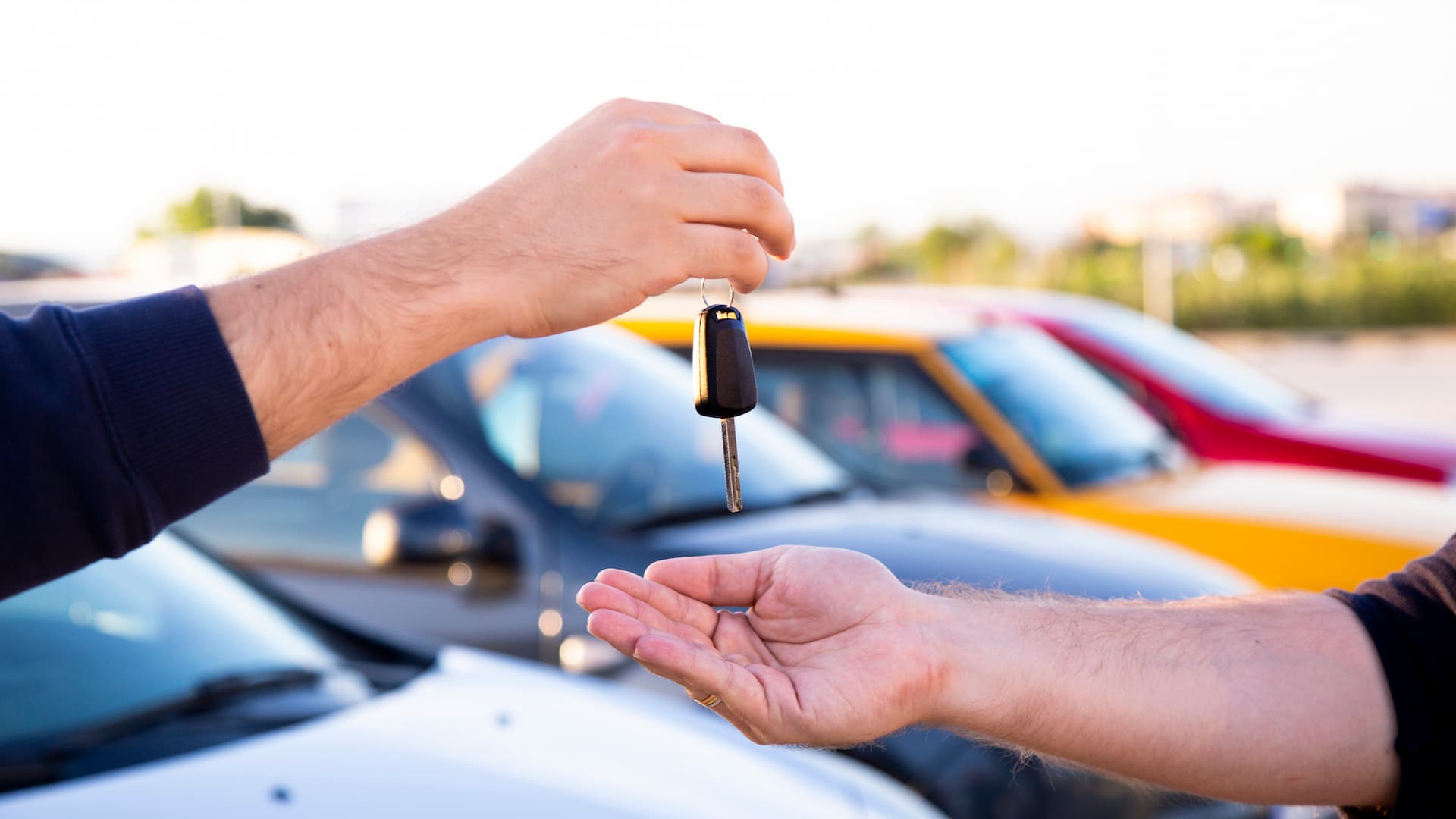
Thinking about trading in your car?
You’ve probably asked the same question many drivers do: When’s the right time to do it?
While there’s no one-size-fits-all answer, the consensus is to trade in a car typically during the first two quarters of the year, when used car values tend to be higher.
Now, that’s the ideal scenario — but life doesn’t always follow a perfect schedule.
Let’s check out all the factors to consider before you trade in your ride.
1. Time of the Year
The prices of used cars fluctuate throughout the year, typically influenced by buyer demand and inventory available at dealerships.
Since there are more buyers in the market, and dealerships need to sell more vehicles, they often offer attractive trade-in incentives to attract customers.
However, that doesn’t mean that you can’t strike a deal in the latter part of the year. Factors like vehicle age, mileage, market demand, brand reputation, and repair history often have just as much impact on trade-in value as timing.
2. Value Depreciation
Vehicles lose value quickly. A new car starts losing value as soon as it leaves the dealership, typically about 9-11% immediately. The most significant depreciation happens in the first year, with nearly 20% lost. Over time, the decline continues, with most cars losing around 60% of their value within five years.
But here’s the deal: Depreciation slows over time.
If you didn’t trade in during the first five years, you usually don’t need to rush before your car reaches 8-10 years old — unless safety and reliability become a concern.
3. Loan Balance vs. Vehicle Value
If you still have a car loan, the best time to trade in is when your car is worth more than what you owe on it. This way, the extra value can help lower the cost of your next car.
Check how much of the loan is remaining, whether the new loan comes with a higher or lower interest rate, and how long you’ll be paying it off. Sometimes, even if your car is worth more than you owe, a bad loan deal can still cost you more in the long run.
4. Accumulated Mileage
While mileage does affect value, there’s no single milestone where a car suddenly becomes “worthless.” Even vehicles with over 100,000 miles can retain solid value if they’re well-maintained.
That said, cars with 30,000–40,000 miles generally trade well because their warranties are still active. Vehicles in the 60,000–70,000-mile range can also be good trade-in candidates, though values may decline more quickly as maintenance needs increase.
5. Increasing Repair Bills
Sometimes, the best time to trade in your car isn’t about market timing at all.
If repair costs are starting to feel as expensive as a monthly car payment, it may be a sign to move on. Putting a lot of money into fixing a car that keeps losing value usually isn’t worth it in the long run.
While you can’t control most of the factors above, there are still a few steps you can take to get the best possible trade-in deal.
How to Maximize Your Trade-In Value
Here’s what to do before visiting the dealership to walk away with a better deal:
- Clean up your vehicle: A clean car looks better maintained and can increase its perceived value.
- Fix minor issues: Address warning lights, small dents, or easy repairs so dealers don’t use them to lower the offer.
- Gather service records: A maintenance history proves the car has been well cared for.
- Check multiple valuation tools: This helps you understand your car’s true market value.
- Get offers from more than one dealership: Don’t agree to the first offer you receive. Compare quotes from different dealers to secure a better deal.
Now that your car is ready, you may wonder: Is it better to sell or trade in your vehicle?
We answer that next!
Trade-In vs. Selling Your Car Yourself: Which is Better?
In most cases, you’ll make more money selling your car yourself than trading it in.
Why?
Dealerships usually offer less because they need to cover repair costs and make a profit when they resell the car.
That said, trading in is quicker and much easier. Selling privately can take weeks, involves meeting buyers, negotiating prices, and dealing with paperwork.
For many people, the convenience and peace of mind that come with a trade-in make it the better choice, even if it means getting a little less money.