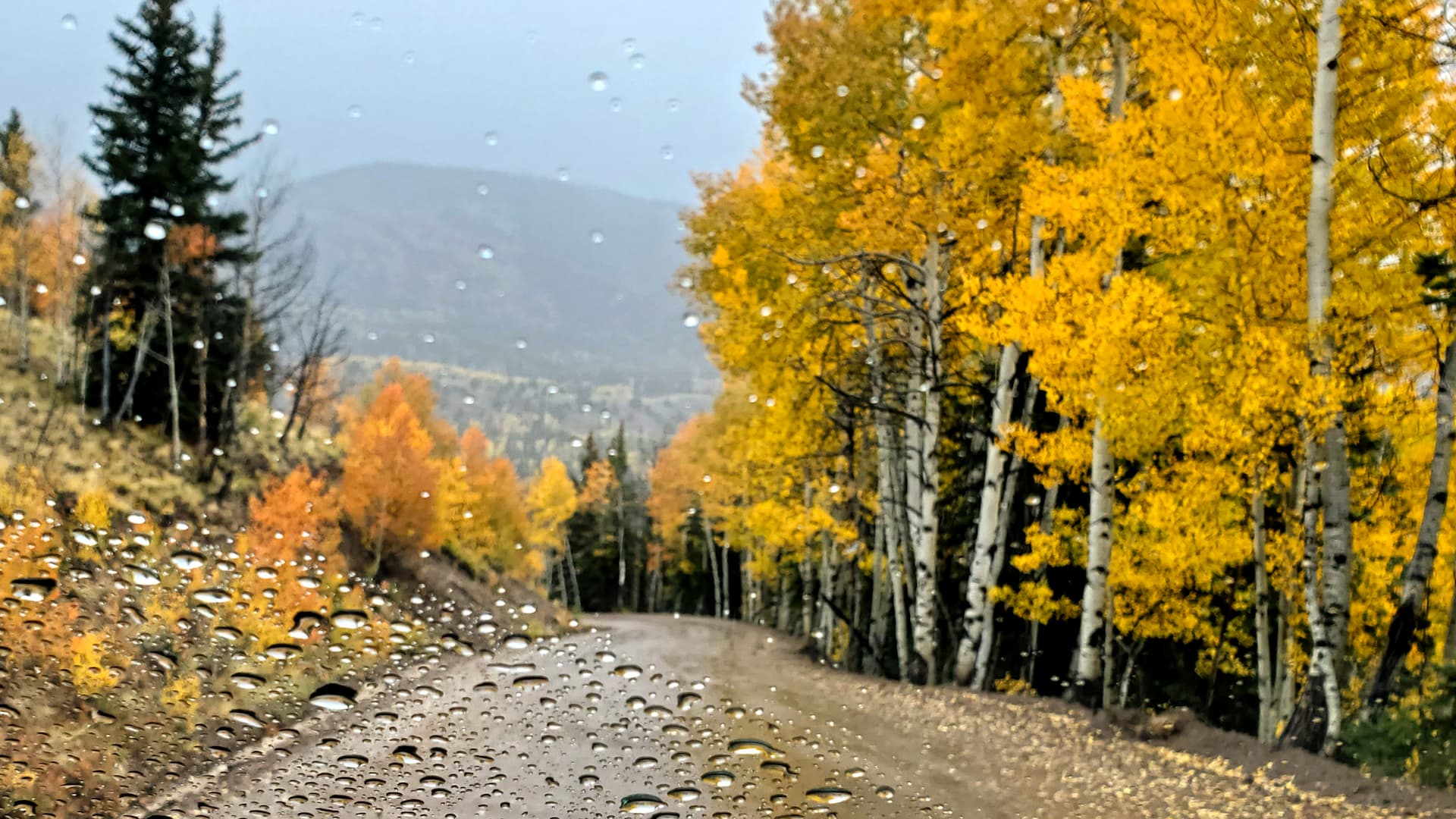
Fall brings cozy drives and scenic roads, but it also creates some of the toughest visibility challenges of the year. Morning fog, sudden rain showers, and shorter daylight hours can all make it harder to see — and to be seen.
If you’re hitting the road this season, here are a few ways to prepare your car and driving habits to stay safe when visibility drops.
But before we dive into the tips, let’s look at what actually causes visibility to drop so quickly in fall fog and rain.
Why Visibility Drops So Easily in Fall Fog and Rain
Autumn weather changes fast. One minute it’s clear, and the next, you’re driving through thick fog or heavy rain. These shifting conditions affect both what you can see and how your vehicle handles:
- Fog reduces depth perception and reaction time. Even light fog can make it hard to judge distance, making sudden stops or lane changes riskier.
- Rain and wet roads increase stopping distance. Wet pavement can double the time it takes your tires to grip, especially if the tread has worn out.
- Shorter days mean more night driving. With sunset coming earlier, you rely more on your headlights and clean windshields to stay visible.
- Fallen leaves can hide slick spots. Wet leaves act like ice, especially around curves or during braking.
The good news?
The right driving habits and proper vehicle preparation can help you maintain full visibility, regardless of the weather conditions.
How to Ensure Visibility During Fall Fog and Rain
From intense fog to heavy downpours, here are nine ways to keep your view clear and your drive safe:
1. Slow Down and Keep Distance
Reduced visibility means less time to react. Drive at a safe speed and leave extra space between your car and the one ahead. In the rain, aim for at least four seconds of distance.
Wet roads can double stopping distance, especially at higher speeds, so the extra space helps you see the road ahead and prevent collisions.
2. Use the Right Lights
In fog, switch to low beams or use your vehicle’s fog lights, if equipped. High beams can reflect off moisture, making it harder to see. Keep your headlights on during heavy rain, even in daylight, so that other drivers can spot you.
3. Be Smooth and Predictable
Avoid sudden braking, sharp lane changes, or quick acceleration. Smooth driving helps your vehicle stay in control on slick roads.
Anticipate stops and turns earlier than usual and signal your intentions clearly. Begin braking a few seconds earlier when approaching curves or intersections — that extra time can make a big difference.
4. Stay Focused
Driving in fog and rain requires full attention on the road. Avoid distractions like adjusting playlists, texting, or checking your phone. If visibility worsens or you feel tired, stop driving and wait for the conditions to improve.
TIP: Keep a small flashlight handy or use your phone’s light to signal if you need to stop.
5. Check Headlights and Taillights
Dim or misaligned lights can cut your visibility in half. Clean the lenses, replace any burnt-out bulbs, and make sure your lights are properly aimed.
If your headlights are cloudy or yellowed, consider restoring them with a headlight restoration kit to improve brightness and enhance your visibility.
6. Replace Wiper Blades and Top Off Washer Fluid
Your windshield wipers should clear the glass in one smooth motion. If they streak, skip, or chatter, it is time for new blades. Fill your washer reservoir with an all-season formula to handle dirt, bugs, and road grime that build up faster in rainy weather.
Test your wipers before heading out to make sure they are effective in both light rain and heavy downpours.
7. Keep Windows and Mirrors Clean
Dirty glass scatters light and increases glare, especially at night. Wipe your windshield and side mirrors (both inside and out) using a rain-repellent product to help water bead off more quickly.
Applying it to side mirrors can make a big difference when other cars pass and spray water.
8. Check Tire Tread and Pressure
Even with perfect visibility, tires without grip are dangerous. Ensure your tire’s tread depth is at least 2/32 inch, or more if you drive often in rain.
Use a penny to check tread depth by inserting it upside down into the grooves; if you can see Lincoln’s head, it’s time to replace the tires.
Also, keeping your tires inflated to the proper levels reduces the risk of hydroplaning and shortens stopping distance.
9. Test the Defroster and Climate Controls
Fogging inside the car can be just as hazardous as outside. Run your defroster on the windshield and rear window before driving. Use fresh air intake instead of recirculation to reduce humidity buildup.
It’s also a good idea to keep a microfiber cloth handy, so you can quickly wipe small patches of fog if necessary.
What to Do When Visibility Gets Really Low
If fog or rain becomes too thick to see clearly, don’t try to power through it. Instead, follow these steps:
- Pull over safely: Slow down, turn on your hazard lights, and move into a safe spot such as a rest area or parking lot. Wait until conditions improve before continuing.
- Avoid cruise control: In heavy rain or fog, maintain complete manual control of your vehicle. Cruise control can delay your reaction if traction suddenly changes or another car appears ahead.
- Handle hydroplaning calmly: If your steering feels light or unresponsive, your tires are likely hydroplaning. Ease off the accelerator and steer straight. Avoid braking or turning suddenly until your tires regain grip.