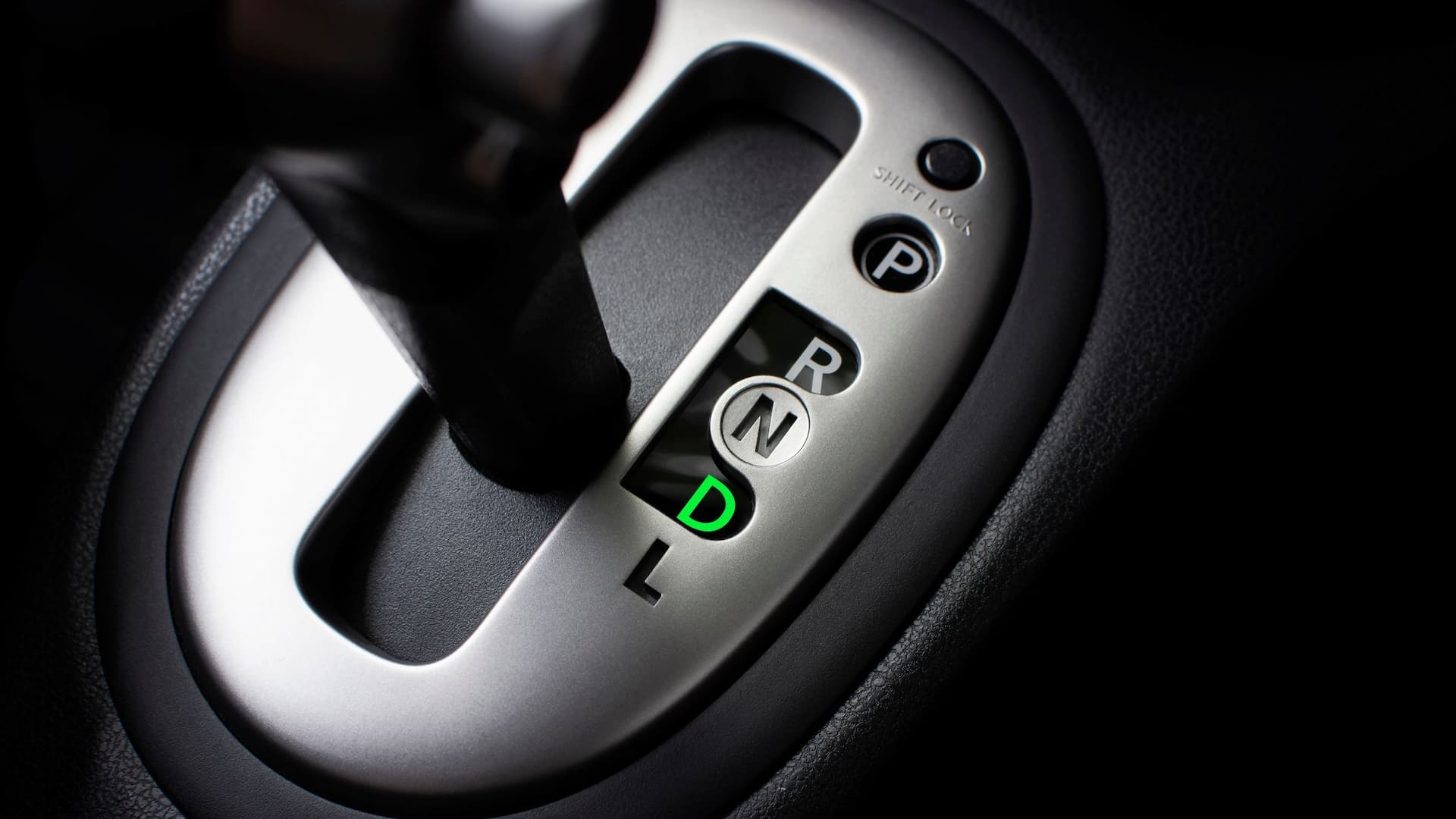
Imagine you’re out for a drive, and suddenly the transmission jerks when you slow down.
It’s annoying, right?
But on the bright side, it’s usually a sign that something’s off with your transmission and it needs immediate attention.
In this guide, we’ll explore the possible reasons behind transmission jerks, the typical repair costs, and other issues that can cause your vehicle to jerk when you slow down.
This Article Contains:
- What Causes Transmission Jerks When Slowing Down?
- How Much Does It Cost to Fix a Transmission Jerk?
- Is It Worth Fixing a Transmission Jerk Yourself?
- 9 Other Reasons Why Your Car Jerks When Slowing Down
Let’s dive in!
What Causes Transmission Jerks When Slowing Down?
Below are the common factors that may cause your transmission to jerk when decelerating:
1. Low or Dirty Transmission Fluid
The transmission fluid lubricates and cools the transmission’s internal parts. If the fluid is low or contaminated, it can cause rough or jerky shifts, especially when slowing down.
2. Worn-Out Torque Converter
The torque converter transfers power from the engine to the transmission. When it’s worn out, it can lead to transmission jerks during deceleration.
3. Faulty Transmission Solenoids or Sensors
Transmission solenoids and sensors manage hydraulic pressure and gear selection. If they malfunction, they can lead to improper shifting and noticeable jerking during deceleration.
4. TCM Software Issues
The Transmission Control Module (TCM) controls the timing and smoothness of gear changes. If the software malfunctions or is outdated, it can trigger abrupt or delayed downshifts, causing the car to jerk when decelerating.
Resolving the issue usually requires a software update or TCM reset.
Keen to learn more?
Check out our detailed guide covering 13 Culprits Behind Your Transmission Jerks.
Next, let’s check out what a skilled mechanic might quote you for repairing a jerking transmission.
How Much Does It Cost to Fix a Transmission Jerk?
Repair costs vary widely depending on the exact cause of the transmission jerk, the make and model of your vehicle, and local labor rates.
Here are some estimates (including labor):
- Transmission fluid flush: $100-$300
- Transmission fluid leak repair: $150-$200
- Shift solenoid replacement: $150-$400
- Torque converter replacement: $600-$2,000
- Transmission rebuild: $2,500-$4,500
- Complete transmission replacement: $1,500-$10,000+
If you want to cut costs, you might be wondering:
Is It Worth Fixing a Transmission Jerk Yourself?
No, it’s not recommended. Since a jerking sensation can stem from a wide range of issues, diagnosing the root cause requires specialized tools and expertise.
With a DIY approach, you risk misidentifying the problem and causing further damage, which can turn into a much more costly repair down the line.
For your peace of mind, it’s best to have a qualified mechanic inspect and repair the transmission jerk.
Now, it’s worth noting that jerking isn’t always tied to the transmission.
9 Other Reasons Why Your Car Jerks When Slowing Down
Sometimes, your car could jerk due to issues that stem from the engine or braking system. Let’s explore this in detail:
- Malfunctioning MAF sensor: The Mass Air Flow (MAF) sensor measures the amount of air entering the engine to ensure the correct fuel-to-air ratio. If it malfunctions, it may cause rough idling or jerking when slowing down.
- Worn-out spark plugs or faulty ignition coils: Spark plugs and coils ignite the fuel-air mixture in the engine cylinders. When they are worn or failing, this can lead to uneven combustion, causing misfires and jerks during deceleration.
- Clogged fuel injectors: Fuel injectors are responsible for delivering gas into the engine’s combustion chamber. If they are clogged or malfunctioning, the engine may jerk when slowing down or accelerating lightly.
- Dirty air filter: The air filter prevents dust and debris from entering the engine. If it becomes clogged, it can reduce airflow and disrupt the fuel-air balance, leading to rough idling or jerking during deceleration.
- Catalytic converter issues: The catalytic converter reduces harmful emissions. When it gets clogged or damaged, exhaust backpressure can increase, leading to jerking when slowing down.
- Worn-out brake pads or rotors: Over time, brake pads and rotors wear down, reducing braking efficiency. This can lead to uneven stopping and noticeable jerks when you decelerate.
- Improper brake disc installation: If the brake discs were installed incorrectly, they may not contact the brake pads evenly, causing vibrations or jerking when slowing down.
- ABS failure: The Anti-lock Braking System (ABS) prevents wheel lockup during sudden stops. If it malfunctions, it can engage unpredictably or fail to engage, resulting in jerking when slowing down.
- Worn-out wheel bearings: The job of wheel bearings is to support the wheels and ensure smooth rotation. If they wear out, they can cause vibrations or jerks when decelerating, turning, or driving over uneven surfaces.
Restore Smooth Transmission Performance with AutoNation Mobile Service
A car that jerks when decelerating isn’t just frustrating — it can be dangerous. So, identifying and addressing the issue promptly will help you stay safe on the road.
Need a hassle-free way to resolve this issue?
Look no further than AutoNation Mobile Service.
With us, you don’t have to worry about shop visits — our trained technicians will repair the transmission jerk right from your driveway. We also back our services with a 12-month, 12,000-mile warranty for added peace of mind.
Book an appointment with us today to enjoy a smoother, more comfortable drive.