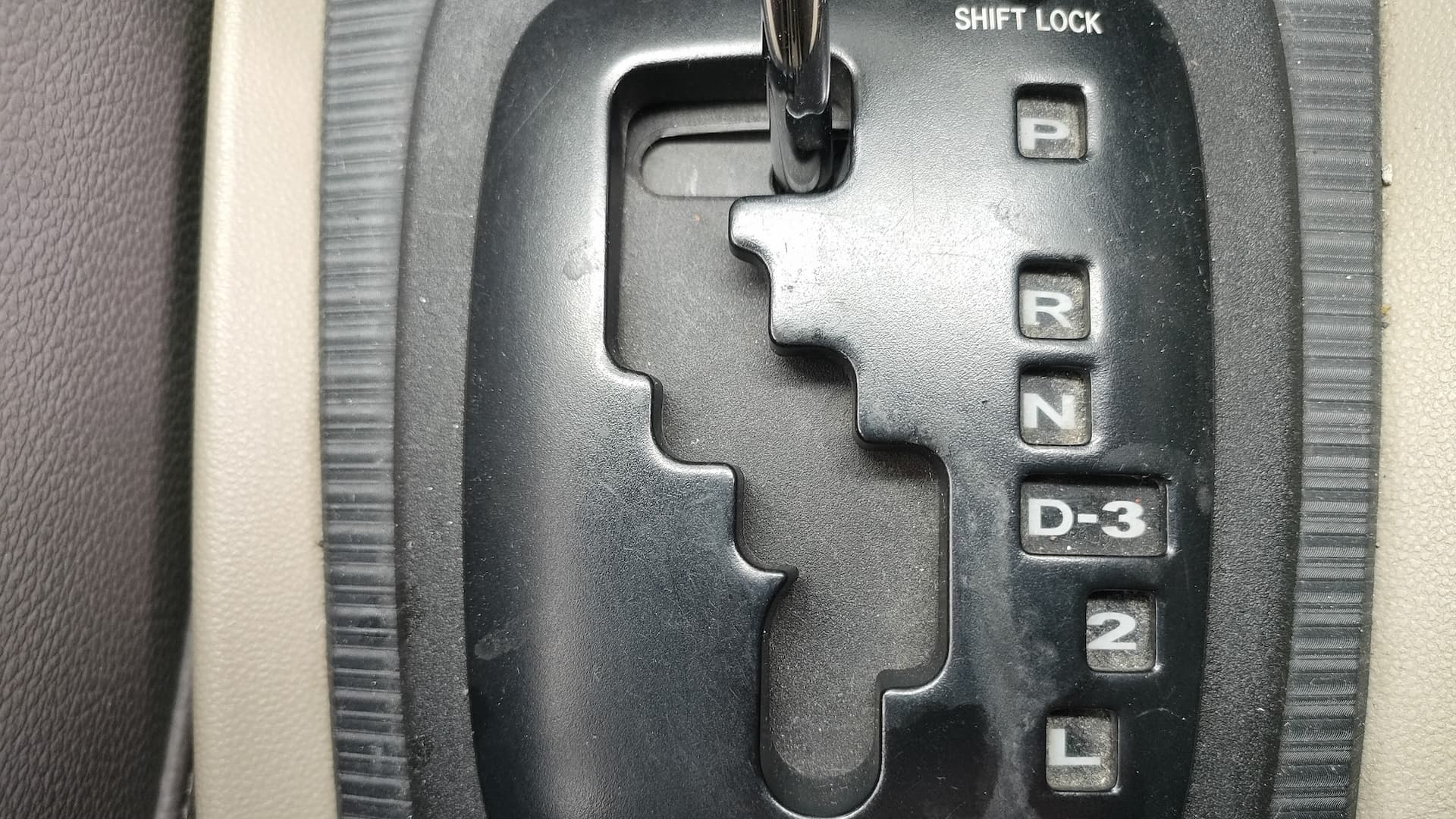
Your car’s transmission control module (TCM) is the brain behind every smooth shift. It not only manages gears but also controls transmission power and speed.
However, if the TCM acts up, you can expect rough shifts, sluggish acceleration, or even limp mode.
The good news?
Sometimes all it takes is a reset to get things back on track.
We’ll explore what a TCM reset is, the telltale signs you might need one, and why it’s smarter to let a mechanic handle the job.
This Article Contains:
- How to Reset Transmission Control Module
- When Should You Reset the Transmission Control Module?
- What Causes TCM Failure?
- What Can You Do to Prevent TCM Problems?
How to Reset Transmission Control Module
It’s best to let an expert handle a transmission control module reset to avoid issues like going into limp mode, new errors, or costly repairs.
They’ll typically begin with an OBD-II scan to check for transmission codes and inspect the transmission wiring for cracks or faults that may be causing the issue.
If the issue still persists, the mechanic will then reset the TCM by following these steps:
- Turn off the vehicle’s air conditioner and shift into Park (P) position to avoid freewheeling.
- Wait around 20 seconds before turning the ignition off.
- Then, wait at least 10 seconds, fire up the engine, and let it idle for a few seconds.
- Switch off the ignition again, repeat step 3, and shift to the Drive (D) position. Some vehicles will flash a dashboard light or chime during a successful TCM reset. If not, the mechanic will confirm it by driving and noticing smoother shifts.
- Take the car for a drive so the module can relearn its settings.
If the reset fails and the TCM proves faulty, a transmission control module replacement might be necessary.
A reset only fixes minor software-related issues. Mechanical problems, such as worn transmission clutches or solenoids, usually need professional repair.
That brings us to the next important question:
When Should You Reset the Transmission Control Module?
Here are a few red flags you should watch out for:
- Burning smell: Overheating transmission fluid or slipping gears can create a burnt odor. This happens when the TCM fails to manage shifts correctly.
- Difficulty changing into higher gears: A struggling TCM may delay or block upshifts, making acceleration rough and sluggish.
- Stuck in the same gear: The TCM can lock the transmission into one gear to protect it from further damage. This is also known as limp mode.
- Erratic shifting: If you notice strange shifting patterns, like slipping or harsh shifts, it can be because the TCM has not adapted correctly to the driving conditions.
- Poor fuel economy: Incorrect shift timing from a faulty or confused TCM can make the engine work harder, reducing mileage.
NOTE: A TCM reset only affects transmission learning data. Other settings, like radio presets and engine control unit (ECU) configurations, remain unchanged.
Now, symptoms are only part of the story. Every symptom has a cause, so let’s find out what’s behind these ones.
What Causes TCM Failure?
Here are a few reasons why you’re TCM may be acting up:
- Faulty wiring
- Overheated engine
- Defective transmission solenoid
- Unexpected voltage in the circuit board
- Transmission repairs or replacements
- Battery disconnection
But here’s the thing:
You can avoid these issues by being smart about how you care for your TCM.
What Can You Do to Prevent TCM Problems?
Follow these habits to keep your TCM working longer:
- Check the transmission fluid level regularly and top it up as necessary. Use the type of fluid specified by the manufacturer.
- Inspect the battery, alternator, and other electrical components regularly to ensure they are in good working order.
- Drive smoothly and avoid sudden changes in speed or direction. Rapid acceleration or hard braking can put unnecessary stress on the transmission and TCM.
- Avoid overloading the vehicle, as it can make the transmission work harder than it should, putting extra strain on the TCM.
- Stick to the manufacturer’s maintenance schedule and service the vehicle with a qualified mechanic.
Reset Your TCM Hassle-Free with AutoNation Mobile Service
A wrong TCM reset can trigger limp mode or even damage your transmission. That’s why you need a qualified mechanic to reset the TCM safely and spot serious issues you might miss.
And to avoid driving your car to a mechanic, contact AutoNation Mobile Service!
We’re a mobile auto repair and maintenance service that can come to you. We offer convenient online booking, upfront pricing, and a 12-month, 12,000-mile repair warranty.
Contact us to reset your TCM and get your shifts back in sync.