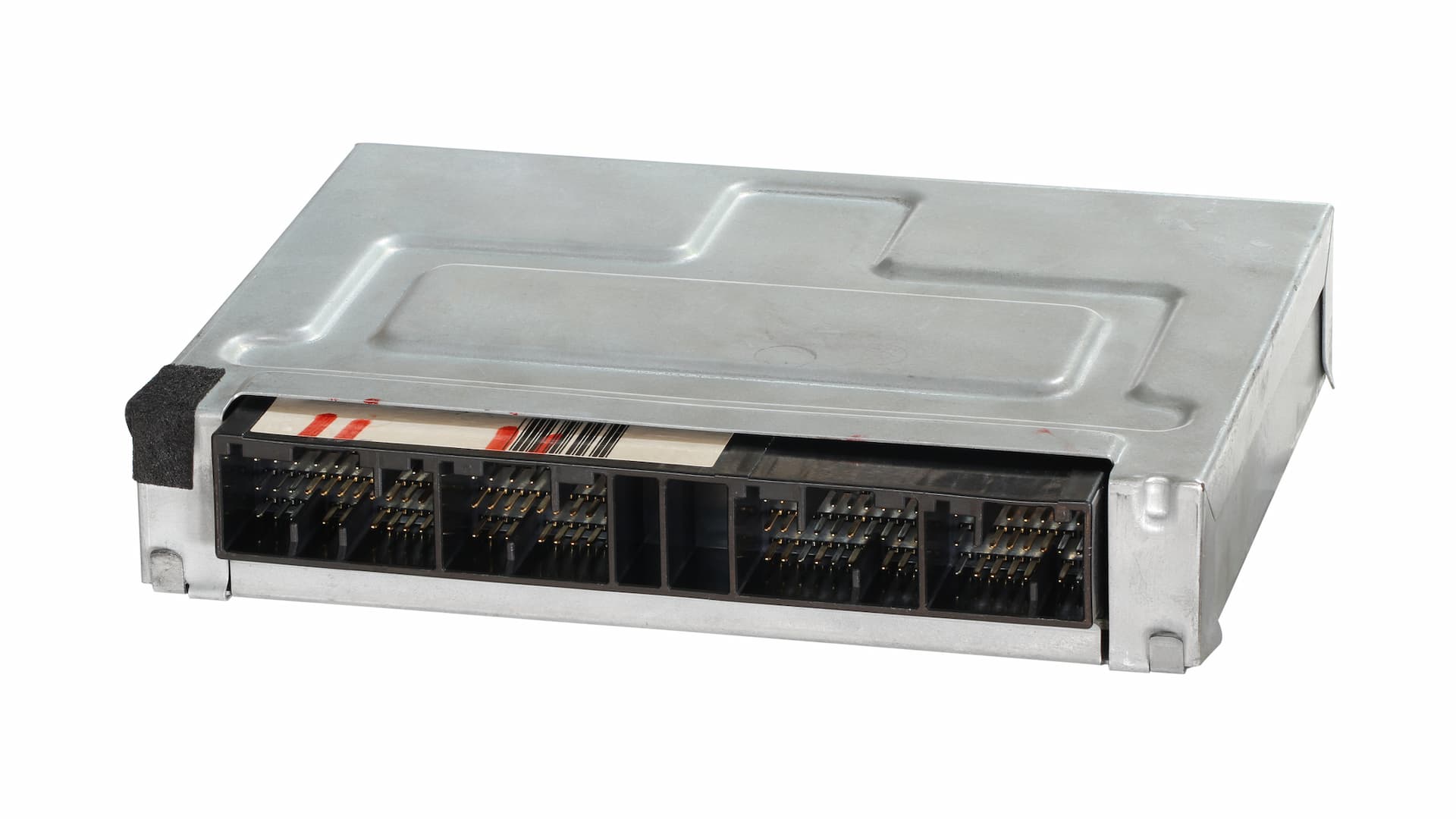
Wondering how to test a transmission control module (TCM)?
Testing a TCM or replacing it isn’t a quick DIY task — it requires professional expertise.
Why?
Because the TCM interacts with many transmission parts, diagnosing issues requires testing each element (like sensors, wiring) and eliminating possibilities until the real fault is found.
Want more details?
Let’s have a closer look.
This Article Contains:
- How to Test a Transmission Control Module for Issues
- What Causes Transmission Control Module Problems?
- Why is it Important to Test Your Transmission Control Module?
- How to Replace a Faulty TCM?
- 5 Simple Maintenance Tips for TCMs
How to Test a Transmission Control Module for Issues
Before jumping into the testing process, let’s understand what the TCM does.
The TCM is the computer that manages your vehicle’s transmission system. It processes data from sensors to control gear shifts, torque converter operation, and shift quality for optimal performance. Its main role is to regulate when and how gears change in automatic or semi-automatic transmissions.
Now, when a TCM starts to fail, you may notice:
- An illuminated check engine, transmission warning, or service engine soon light
- Delayed, rough, or unpredictable shifting
- Trouble getting into higher or lower gears
- The transmission slips, reducing the vehicle’s power and acceleration
- Strange noises like grinding or whining
- Reduced fuel efficiency
When you see these symptoms, it’s best to consult a professional mechanic.
Here’s how they’ll test your TCM for faults:
- Use an OBD-II scanner to retrieve error codes and determine whether they point to the TCM, sensors, or solenoids.
- Examine wiring, plugs, and grounds for corrosion, frayed insulation, or moisture.
- Verify power supply, wiring continuity, and sensor/solenoid voltages against manufacturer specifications, using a multimeter.
- Use the scan tool to monitor real-time data, including input/output speeds, solenoid activity, and shift commands, and compare them to expected values.
- Check fluid level; also, confirm that no mechanical transmission issues (worn clutches, damaged gears) exist.
- If all wiring, grounds, and sensors test correctly but symptoms persist, your TCM is likely faulty.
After pinpointing the issue, the obvious question is — what makes your TCM malfunction?
What Causes Transmission Control Module Problems?
TCM issues can be triggered by:
- Damaged wiring or short circuits that interfere with the communication between the TCM and sensors.
- Excess heat, often from a failing cooling system, which can damage the TCM and surrounding components.
- Leaks that allow water into the TCM housing, leading to corrosion and electrical shorts.
- Excessive heat or cold that damages electronic components inside the TCM.
- Age and wear.
- Outdated or corrupted programming.
- Rough driving conditions that physically damage the module.
If your vehicle has faced any of these conditions and you’re noticing rough shifts or slipping gears, it’s important to have the TCM checked immediately.
Let’s find out why this is so crucial.
Why is it Important to Test Your Transmission Control Module?
Inspecting the TCM and addressing any problems is vital for keeping your vehicle running smoothly. A faulty TCM can cause rough shifting, unexpected loss of speed, and other problems that compromise safety.
By inspecting the TCM regularly, you can spot potential problems early and prevent them from turning into costly repairs.
If the test reveals a bad TCM, the next step is installing a replacement.
How to Replace a Faulty TCM?
Here’s how a mechanic will replace a faulty TCM:
- Source a replacement unit that exactly matches the original part number and software.
- Program the new TCM with the vehicle’s specific software and firmware using specialized equipment such as a factory scan tool.
- Install the programmed TCM, ensuring all wiring and connectors are properly secured.
- Test the transmission with a diagnostic scan and road test to ensure proper operation.
Want to know how much a mechanic will charge for this job?
Check out our detailed breakdown of the transmission control module replacement cost.
Once your new TCM is in place, try the upcoming steps to avoid future problems.
5 Simple Maintenance Tips for TCMs
Here are some practical ways to extend the life of your TCM:
- Check transmission fluid using a dipstick; top it off with the manufacturer-recommended fluid if it’s low.
- Request a mechanic to inspect the electrical system, including the battery and alternator, since the TCM depends on stable power.
- Avoid rapid acceleration or harsh braking to reduce stress on the transmission.
- Don’t carry more weight than your vehicle’s recommended capacity.
- Schedule regular maintenance to ensure timely fluid changes and system checks.
Let the Experts at AutoNation Mobile Service Handle Your TCM Issues
Whether your TCM needs testing or a total swap, you don’t want to tackle this problem alone.
The good news is that AutoNation Mobile Service brings the shop to you. We send expert mechanics straight to your driveway on all days of the week.
What’s more?
All our repairs come with upfront pricing and a 12-month|12,000-mile warranty.
Book your service today.