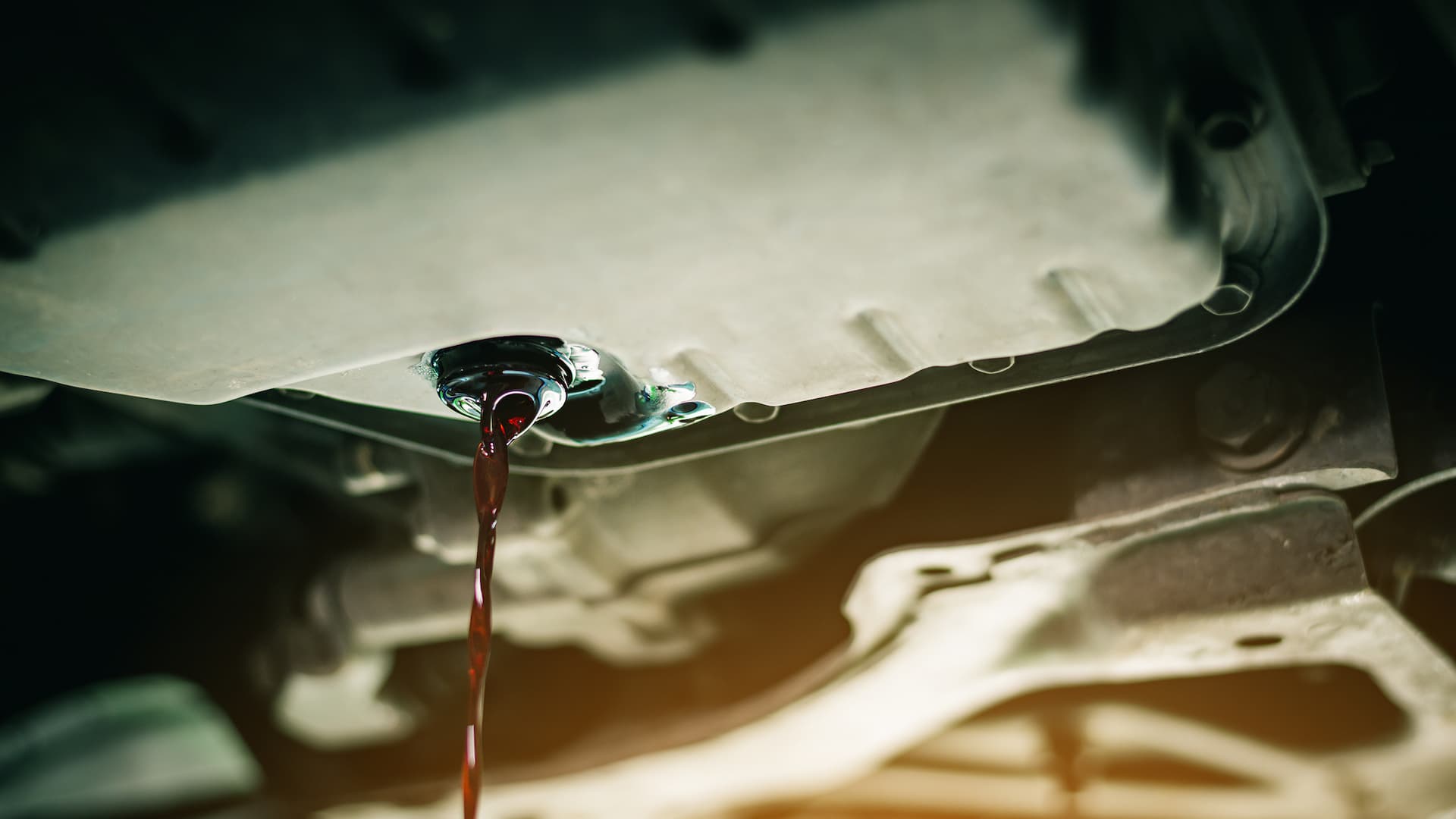
Changing your transmission fluid involves draining the old fluid, replacing the transmission filter (if applicable), and refilling with the correct fluid. This essential maintenance step can help extend the life of your transmission system and improve performance.
Here’s a quick step-by-step overview:
- Preparation:
- Drive for 5–10 minutes to heat the fluid.
- Park on a level surface and gather the supplies.
- Drain the old fluid:
- Locate the transmission fluid pan and its drain plug.
- Drain the fluid.
- Replace the filter (if applicable)
- Swap the old transmission filter and replace the gasket if worn.
- Replace the pan and refill:
- Secure the transmission pan, add new fluid, and start the engine.
- Shift through all gears and check the fluid level.
- Final steps:
- Inspect the area for leaks around the pan and the transmission fluid drain plug.
- Dispose of the old fluid responsibly.
Not comfortable handling transmission fluid yourself? Let a certified mechanic from AutoNation Mobile Service take care of it right from your driveway.
But if you’re curious about what the service includes, this detailed guide will walk you through each step, the warning signs, and the estimated costs.
This Article Contains:
- How to Change Transmission Fluid: A Step-by-Step Guide
- 6 Signs You Need a Transmission Fluid Change
- How Often Should You Have Your Transmission Fluid Changed?
- How Much Does it Cost to Change Transmission Fluid?
- 4 Transmission Fluid Mistakes That Can Lead to Costly Repairs
- When Should You Get a Transmission Fluid Flush?
How to Change Transmission Fluid: A Step-by-Step Guide
While changing transmission fluid may seem straightforward, it’s best handled by a professional to avoid errors.
Here’s a quick overview of how technicians perform the service:
1. Warm Up the Engine and Check the Fluid
The mechanic will start your car and let it run for 5 to 10 minutes to bring the transmission fluid to operating temperature. Then, they’ll park the vehicle on level ground, engage the parking brake, and shut off the engine.
If your vehicle has a transmission dipstick, the mechanic will check the fluid level and condition. Clean, healthy fluid should appear reddish and clear, not brown or burnt.
2. Raise the Vehicle and Drain the Old Fluid
After letting the engine cool slightly, the mechanic will safely lift the vehicle using a jack and jack stands or ramps. They’ll locate the transmission drain plug, place a drain pan underneath it, and remove the plug to allow the old fluid to drain.
At this stage, the technician may also check for cracks or leaks in nearby components, including the transmission cooler hose.
3. Check the Old Fluid for Debris
While small metal particles in old transmission fluid are normal, large metal fragments or chunks suggest severe internal damage. If a mechanic finds significant debris during the fluid change, they’ll likely recommend a full transmission inspection before replacing it with new transmission fluid.
4. Replace the Filter (If Applicable)
If your vehicle uses a serviceable transmission filter, the mechanic will remove the transmission pan bolts to access it. They’ll replace the old filter, wipe down the transmission pan, and install a new gasket before sealing everything back into place.
The mechanic will also clean the transmission fluid pan to ensure no debris is left behind.
5. Reinstall the Plug and Add New Fluid
Once the old fluid is drained and the filter is replaced, the mechanic will reinstall the drain plug.
They’ll then use a funnel to add new transmission fluid through the dipstick tube or fill port, making sure to refill with the correct type and amount specified in your owner’s manual.
6. Check Fluid Levels and Test Drive
The mechanic will ensure the drain pan is secured and inspect the area for leaks. In automatic transmission, they’ll cycle through all gear positions (P-R-N-D-L) and check the fluid level while the engine runs.
Next, they’ll check the transmission fluid level using the transmission dipstick in the dipstick tube. It should reach the “full” mark at the tip. If it’s low, they’ll refill the fluid gradually and recheck.
For manual transmissions, they’ll turn off the engine after the leak check and verify the fluid level at the fill plug. Finally, they’ll take the car for a test drive to confirm smooth shifting and perform a final inspection for leaks.
7. Properly Dispose of the Old Transmission Fluid
You should never pour old transmission fluid down the drain. Instead, pour it into a container with a lid. Many auto parts stores will accept and recycle used transmission fluid.
Once the mechanic has correctly disposed of the old fluid, the service is complete.
But how do you know when to schedule a transmission fluid change?
6 Signs You Need a Transmission Fluid Change
It’s not always obvious when it’s time to change your transmission fluid, but the following warning signs can tip you off that something’s wrong under the hood:
- Transmission warning light: Modern vehicles have sensors that monitor transmission fluid level and quality, triggering this warning when levels or quality fall outside normal limits.
- Illuminated check engine light: Diagnostic trouble codes (DTCs) like “transmission loss of prime” can point to fluid-related issues. If the check engine light comes on alongside shifting problems or another transmission problem, a fluid change is often the first step before considering more costly repairs.
- Difficulty shifting gears or delayed engagement: If your car hesitates when shifting or takes a moment to move after you shift into gear, it could be due to degraded or low transmission fluid. This fluid keeps gear changes smooth by maintaining proper hydraulic pressure.
- Transmission slipping: If your vehicle slips out of gear or struggles to stay in gear, worn-out fluid may prevent the vehicle’s transmission from building enough pressure to function correctly.
- Unusual noises: Grinding, whining, or clunking sounds during shifts can indicate the fluid is low, dirty, or no longer providing adequate lubrication.
- Dark, burnt, or leaking fluid: Fluid that’s dark, smells burnt, or is leaking onto your driveway means it’s time for a change. Healthy fluid is typically bright red and clean.
Want to steer clear of costly transmission repair?
A timely transmission fluid change is what you need.
How Often Should You Have Your Transmission Fluid Changed?
Experts typically recommend changing automatic transmission fluid every 60,000 to 100,000 miles. For manual transmission vehicles, the suggested service intervals range from 30,000 to 60,000 miles.
The exact timeline depends on your vehicle and the condition of your manual or automatic transmission fluid, so it’s best to follow your manufacturer’s guidelines.
That said, if you frequently tow heavy loads, drive in stop-and-go traffic, or operate your vehicle in extreme heat or mountainous terrain, you should change the vehicle’s transmission fluid more often.
Now, let’s explore the expected cost of a professional transmission fluid change.
How Much Does it Cost to Change Transmission Fluid?
A professional transmission fluid change typically ranges between $120 and $400, depending on your vehicle, fluid type, and labor rates. Manual transmission services tend to be lower-priced, while automatic or CVT fluid changes usually cost more.
Neglecting this service can lead to a full transmission repair or replacement, which can cost anywhere from $1,500 to $10,000 or more.
Compared to that, having a mechanic add fresh fluid is a low-cost way to avoid troubles and extend your transmission’s life.
4 Transmission Fluid Mistakes That Can Lead to Costly Repairs
Transmission fluid change seems straightforward, but DIYers can make the following errors:
- Not using the right transmission fluid: Not all transmission fluids are interchangeable. Using the wrong fluid can cause slipping, overheating, or internal damage, costing thousands in repairs.
- Over- or underfilling: Too much fluid creates dangerous pressure buildup and foaming, while too little leads to poor shifting and overheating. Achieving the correct fluid level requires professional expertise, as slight variations can cause significant damage.
- Working with hot trans fluid: Transmission fluid operates at temperatures over 200°F and can cause severe burns on contact. DIY attempts often result in injuries from scalding fluid that sprays unpredictably when drain plugs are removed without proper safety equipment.
- Ignoring warning signs in the old fluid: Black, gritty, or burnt-smelling fluid indicates serious internal problems that a simple fluid change won’t fix. These symptoms may signal a deeper transmission problem and require professional diagnosis to prevent complete transmission failure.
Avoiding these mistakes is key to protecting your transmission, but there are times when changing transmission fluid isn’t enough. In some cases, a complete transmission flush may be the better option.
When Should You Get a Transmission Fluid Flush?
A transmission flush replaces nearly all the old fluid with fresh fluid, compared to the 20-40% removed during a standard drain-and-fill service. It also helps remove old fluid from components like the torque converter.
Consider a flush when your transmission fluid is severely contaminated. Most manufacturers recommend a transmission flush every 60,000 to 100,000 miles, or when diagnostic trouble codes indicate fluid-related issues.
It’s best to get a professional diagnosis before deciding on a flush or a standard fluid change. A mechanic can assess your transmission’s condition and recommend the most appropriate transmission service to restore optimal performance.
Protect Your Transmission the Smart Way with AutoNation Mobile Service
Low, dirty, or degraded trans fluid can cause rough shifting, overheating, and even serious transmission damage. The longer you delay service, the more costly the consequences can be.
And if the fluid is already low or compromised, continued driving could worsen the problem.
So why not have certified professionals from AutoNation Mobile Service come to you to take a look?
We even offer a 12-month, 12,000-mile warranty for added peace of mind.
Book your service today and keep your transmission running like it should.