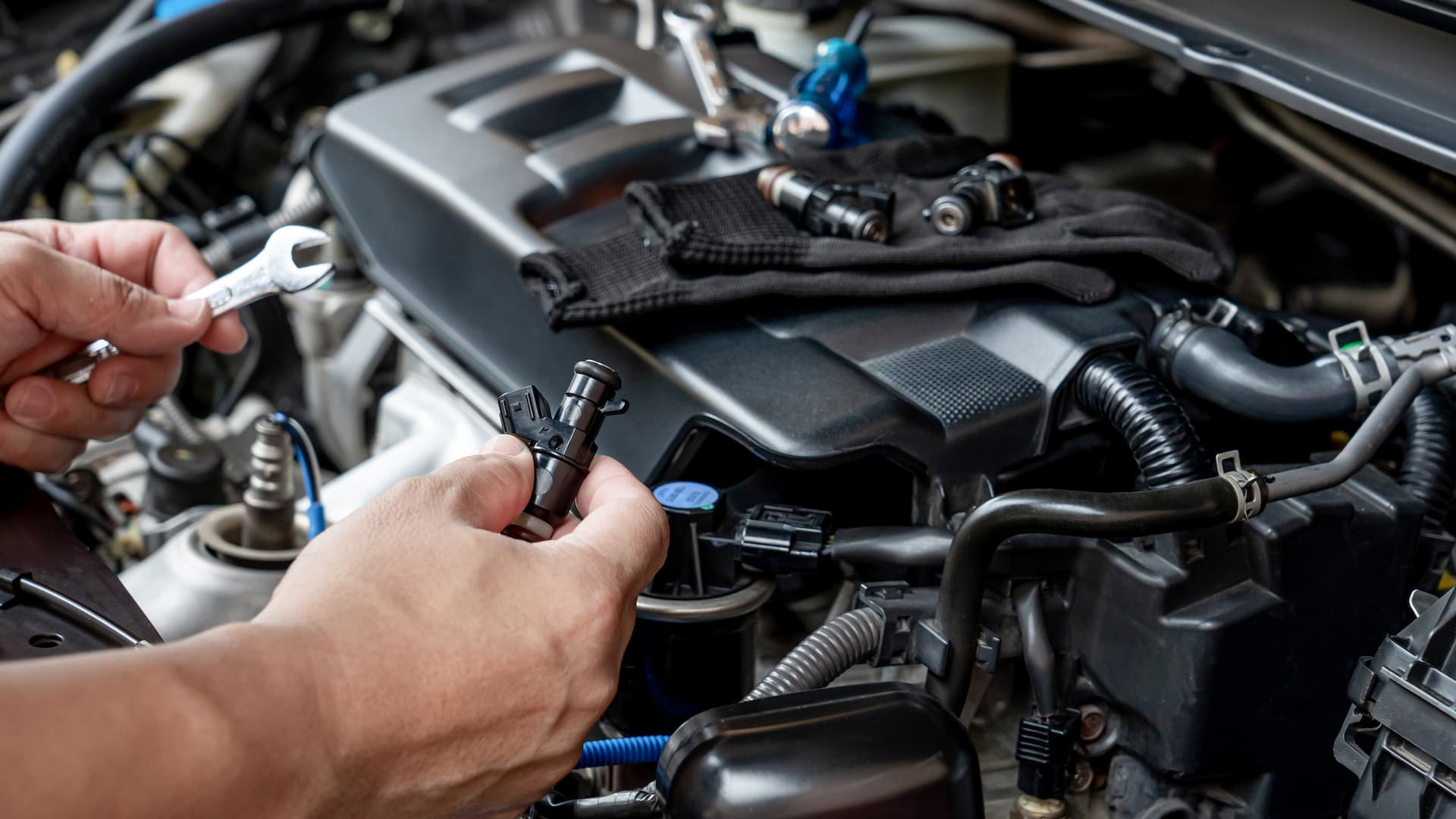
Fuel system cleaning can cost anywhere from $10 for a basic DIY additive to over $700 for a full professional ultrasonic service. The exact price also depends on factors like your vehicle make and model, and shop labor rates.
But is it worth cleaning the fuel system?
Also, what warning signs should you look out for?
In this guide, we’ll explore the fuel system cleaning cost and the factors that affect it, the top reasons to clean your fuel system, and more. You’ll also discover why professional cleaning services are more effective than DIY.
This Article Contains:
- How Much Does Fuel System Cleaning Cost?
- 5 Key Factors Affecting the Fuel System Cleaning Cost
- Is It Worth Cleaning the Fuel System?
- 6 Common Signs That Your Fuel System Needs Cleaning
- How Often Should You Clean the Fuel System?
- How Can You Prevent Fuel System Problems?
Let’s dive in!
How Much Does Fuel System Cleaning Cost?
Cleaning the fuel system will roughly cost you around $10 to $700+, depending on the approach you take.
1. DIY Additive ($10-$30)
This method involves buying an additive and pouring it directly into the fuel tank yourself. However, it’s not very effective for heavy carbon buildup. Also, DIY cleaning can be risky if you lack experience, since using the wrong product or dosage may damage the fuel system.
Before using additives, check your owner’s manual, as some manufacturers advise against using fuel system cleaning additives.
Here’s a breakdown of the costs:
- Parts and supplies: $10-$30 (fuel additive cleaner)
- Labor: $0 (DIY, which takes about 5 to 10 minutes)
- Total Estimated Cost: $10-$30
2. On-Car Solvent Flush ($100-$250)
In an on-car solvent flush, the mechanic connects a pressurized cleaning system to the fuel line while the engine runs. This method is more effective than using additives when dealing with mild to moderate deposits in the fuel system.
The cost includes:
- Parts and supplies: $20-$50 (e.g., cleaning solvent)
- Labor: $80-$200 (takes about 20 to 30 minutes)
- Total Estimated Cost: $100-$250
3. Off-Car Ultrasonic Cleaning ($300-$700+)
The mechanic removes the fuel injectors, disassembles them, and cleans them with ultrasonic equipment. Labor costs are higher since the mechanic has to take out the injectors and reinstall them, and they may also have to replace the seals and filters.
Here’s the cost breakdown:
- Parts and supplies: $100-$200 (e.g., cleaning solvent, seal kits, filters)
- Labor: $200-$500 (takes about 30 to 40 minutes)
- Total Estimated Cost: $300-$700
5 Key Factors Affecting the Fuel System Cleaning Cost
The key factors that influence how much you’ll pay for fuel system cleaning include:
- Vehicle make and model: Luxury cars, trucks, and vehicles with gasoline direct injection (GDI) systems often require more complex and costly cleaning.
- Type of service and materials used: As we’ve explored, the method of cleaning has a major impact on cost. DIY additives are the cheapest, but they offer limited effectiveness and are best for light preventive use. Meanwhile, professional on-car or ultrasonic cleaning is more reliable and comes at a higher price. This is because of the labor involved, specialized equipment used, and additional materials required (e.g., cleaning solvents, seal kits, or filters).
- Extent of buildup: Heavily clogged injectors or neglected systems take more time and effort to clean, which raises labor costs.
- Location or region: Costs can vary based on local market rates. Urban areas and regions with high costs of living (such as San Francisco) usually charge more.
- Service bundles: Some shops offer combined services (like cleaning injectors and the throttle body together), which increases the overall price but may save money compared to booking them separately.
Is It Worth Cleaning the Fuel System?
Yes, but it depends on your vehicle’s age, condition, and performance.
Here’s what you need to know:
- The fuel system plays a vital role in delivering fuel efficiently to the engine. Over time, carbon deposits and debris can build up in the injectors, fuel lines, and intake valves. This buildup restricts fuel flow, reduces efficiency, and can cause issues like rough idling, poor acceleration, and decreased gas mileage.
- Cleaning the system removes these deposits, which can restore performance, improve fuel economy, and lower emissions. It’s especially worthwhile for older cars, high-mileage vehicles, or those with direct injection systems that are more prone to buildup.
- On the other hand, many newer vehicles burn fuel more cleanly and may not need frequent cleanings if they’re regularly maintained and run on quality fuel. In such cases, unnecessary cleaning may not deliver noticeable benefits.
- Ultimately, if you notice drivability issues or your manufacturer recommends it at certain intervals, fuel system cleaning is a worthwhile investment that can prevent more expensive repairs later.
6 Common Signs That Your Fuel System Needs Cleaning
If your car shows any of these symptoms, it may be time to visit a mechanic for a fuel system cleaning:
- Poor fuel economy: If you’re filling up more often than usual without changing your driving habits, then dirty injectors or carbon buildup may be reducing fuel efficiency.
- Rough idling: A clogged fuel system can cause the engine to shake, vibrate, or idle unevenly when your car is stopped.
- Difficulty starting the engine: Deposits in the fuel system can restrict fuel flow, making it harder for your car to start smoothly.
- Loss of power or acceleration: If your car feels sluggish and struggles to pick up speed when you press the gas pedal, the issue could be due to restricted fuel delivery.
- Engine misfires: Dirty fuel injectors can prevent fuel from reaching the cylinders properly, leading to misfires or jerking during driving.
- Unusual exhaust emissions: Excessive smoke or stronger-than-usual fuel odors from the exhaust can indicate incomplete combustion caused by a dirty fuel system.
How Often Should You Clean the Fuel System?
Most mechanics recommend cleaning the fuel system every 30,000 to 60,000 miles, but the ideal interval depends on your vehicle, driving habits (like aggressive driving), and fuel quality.
However, if your car runs smoothly and fuel efficiency hasn’t changed, you can usually wait.
How Can You Prevent Fuel System Problems?
Here are some simple habits to help keep your fuel system clean and efficient:
- Follow the manufacturer’s maintenance schedule: Stick to recommended intervals for inspections and cleanings.
- Use high-quality fuel: Choosing higher-grade fuel and filling up at reputable gas stations reduces the risk of carbon buildup and helps keep your injectors and intake valves cleaner for longer.
- Avoid running on empty: Driving with very low fuel can stir up debris in the tank and clog the system.
- Replace filters regularly: Using clean fuel filters prevents dirt from entering the fuel system, which protects the injectors and maintains proper fuel flow.
Enjoy Smoother Rides with AutoNation Mobile Service
A dirty fuel system can drain your wallet and rob your car of its performance. Whether it’s a simple flush or a full ultrasonic cleaning, keeping the system clear of deposits will lead to smoother rides and fewer costly repairs down the road.
With AutoNation Mobile Service, you get professional fuel system cleaning brought directly to your driveway — saving you the hassle of visiting a shop. To give you peace of mind, every service is backed by our 12-month, 12,000-mile warranty.
Book an appointment with us so we can keep your car’s fuel system running clean, efficient, and ready for the road ahead.