
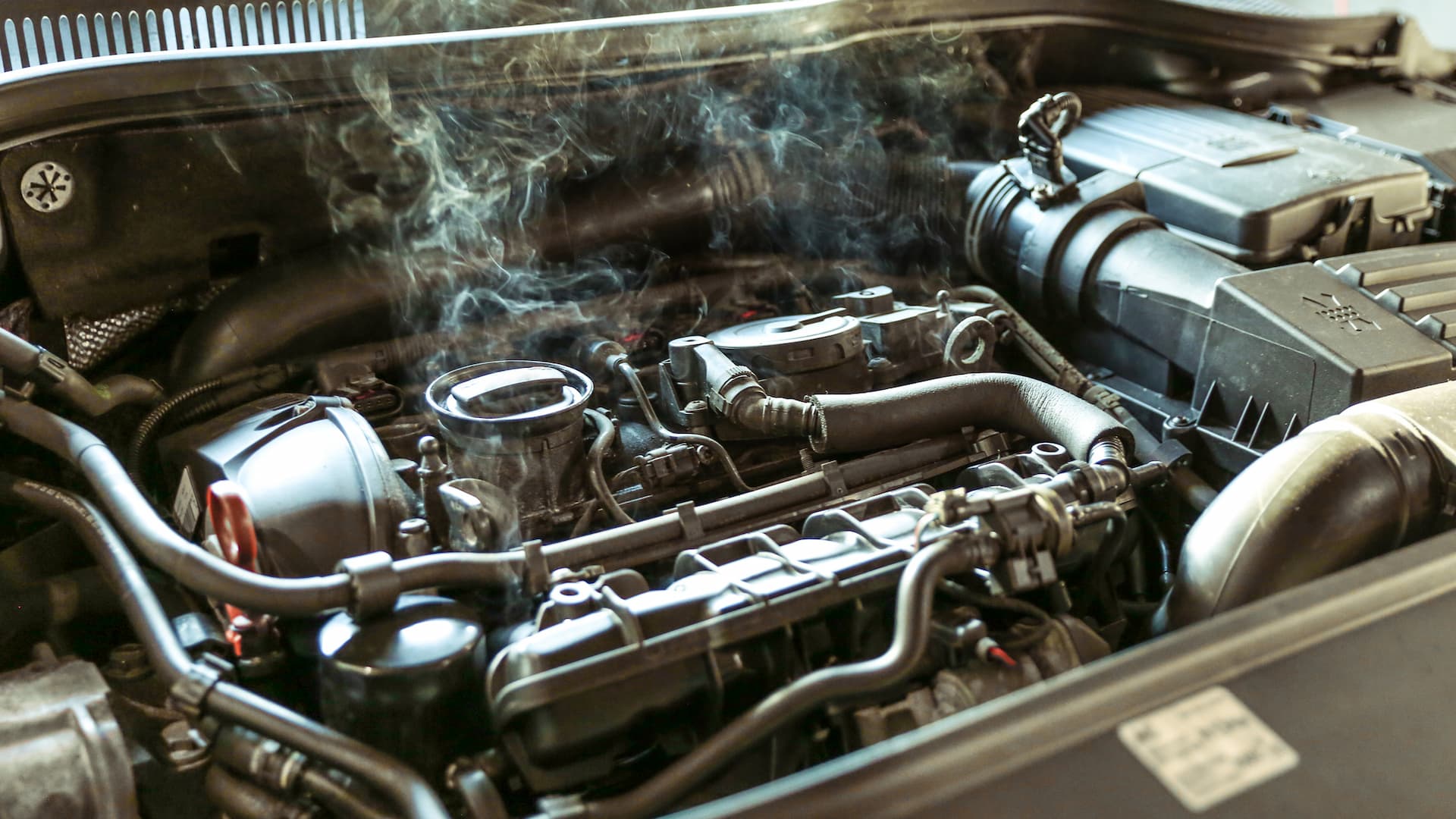
You may have heard that letting your car idle is almost like letting it “stretch” before a workout.
But today’s vehicles don’t need that warm-up routine, and in many cases, it’s actually working against you.
Why?
Modern engines are smarter, faster to warm up, and designed to be driven — not parked and idling.
In this post, we bust the most common engine idling myths and explain what your car really needs to stay healthy, efficient, and reliable.
Myth #1: Letting Your Car Idle Longer Helps It Warm Up
Truth: Your engine warms up faster when you drive it.
At idle, your engine produces very little heat. This means:
- The engine warms up slowly
- Moisture builds up inside the engine
- Fuel doesn’t burn efficiently
On the other hand, driving gently warms up not only the engine but also the transmission, brakes, and drivetrain, helping everything reach optimal operating temperature more quickly.
Myth #2: Idling Reduces Engine Wear
Truth: Excessive idling can actually increase engine wear.
When a cold engine idles, it initially runs rich (extra fuel). When left to idle for an extended period, this excess fuel can wash oil off the cylinder walls, increasing friction and wear.
Consequently, the excess unburnt fuel can foul spark plugs and damage the exhaust system by clogging the catalytic converter.
Remember, replacing a catalytic converter is expensive.
Myth #3: Idling Warms Up the Transmission
Truth: The transmission doesn’t warm up until the car moves.
Transmissions rely on fluid circulation under load. While idling:
- Transmission fluid stays mostly in the pan
- Internal components remain cold
- Proper lubrication doesn’t occur
Only driving allows the transmission to warm up correctly. That’s why driving gently for the first few minutes is far better than letting the car sit and idle.
Myth #4: Idling Saves Your Battery in Cold Weather
Truth: Idling can actually drain your battery faster.
Modern alternators charge best while driving — not idling.
When your car is sitting still with the heater running, heated seats on, and the defrosters blasting, the electrical load may exceed what the alternator can supply at idle. This puts extra strain on the battery, which already charges slower in winter.
Myth #5: Idling Keeps Engine Oil Healthy
Truth: At idle, oil takes longer to reach operating temperature.
As a result, any moisture or contaminant in the oil passages doesn’t burn off, leading to sludge buildup over time and more frequent oil changes.
Moreover, modern synthetic oils are designed to flow quickly — even in cold temperatures — so long warm-ups are unnecessary.
Myth #6: Idling Is Harmless to Your Health
Truth: Excessive idling can increase harmful emissions.
Letting the engine idle for long:
- Wastes fuel
- Releases pollutants into the air
- Increases carbon monoxide exposure
IMPORTANT: If your car is idling in a garage and if it’s connected to your home, exhaust fumes can enter your home without you noticing. This can pose serious health risks.
That said, idling a little longer in certain situations does hold some merit after all!
When Idling Does Make Sense
There are a few situations where brief idling is okay:
- Cold winter mornings: If you live in a colder region or when the temperature starts to drop, it’s okay to let the engine idle for 30 to 60 seconds before driving.
- Extreme cold: If you often drive in extremely frigid conditions, you can let your car idle a little longer (1-2 minutes) while you clear snow and ice from the car and allow the cabin to become comfortable.
- Highway driving: A short idle before merging onto the highway helps prepare the engine for the increased load. For city driving, stop-and-go traffic naturally warms it up.
- Your car uses thicker oil: Vehicles using heavier or performance-grade oil may benefit from slightly longer idling to ensure proper circulation.
- Engine material is primarily iron: Engines made with iron (or iron–aluminum combinations) take longer to warm evenly, so a brief idle can help prevent hot spots.
- Older vehicles (pre-1990s): If you own a car built in the late 1980s, it likely has a carbureted engine. These engines need extra warm-up time because they can’t adjust fuel delivery like modern fuel-injected systems.
TIP: Although some manufacturers and mechanics may recommend idling for longer, take their advice with caution. In some cases, prolonged idling can increase wear, leading to earlier repairs or even pushing drivers to replace their vehicle sooner.
So what’s the right way to do it?
The Right Way to Warm Up Your Car
Follow this simple routine:
- Start the engine.
- Let it idle for 30–60 seconds.
- Drive gently, keeping the RPMs under 2,500 until the temperature gauge moves into the normal operating zone
This approach will protect the engine components, transmission, fuel efficiency, and emissions system.
And what about remote starters?
Remote starters were built for your convenience, but they don’t change the rules.
If you use remote start, limit idling to 1–2 minutes in extreme cold conditions, then drive normally.