Finding a recall notice in your mailbox or inbox can be unsettling. Your first thought might be:
Is my car safe to drive?
In most cases, there’s no need to panic. A recall doesn’t automatically mean your vehicle is dangerous to drive right away. It means the manufacturer has identified a safety-related defect or issue that needs to be fixed.
The important thing is to understand the recall and take action promptly.
What Is a Vehicle Recall?
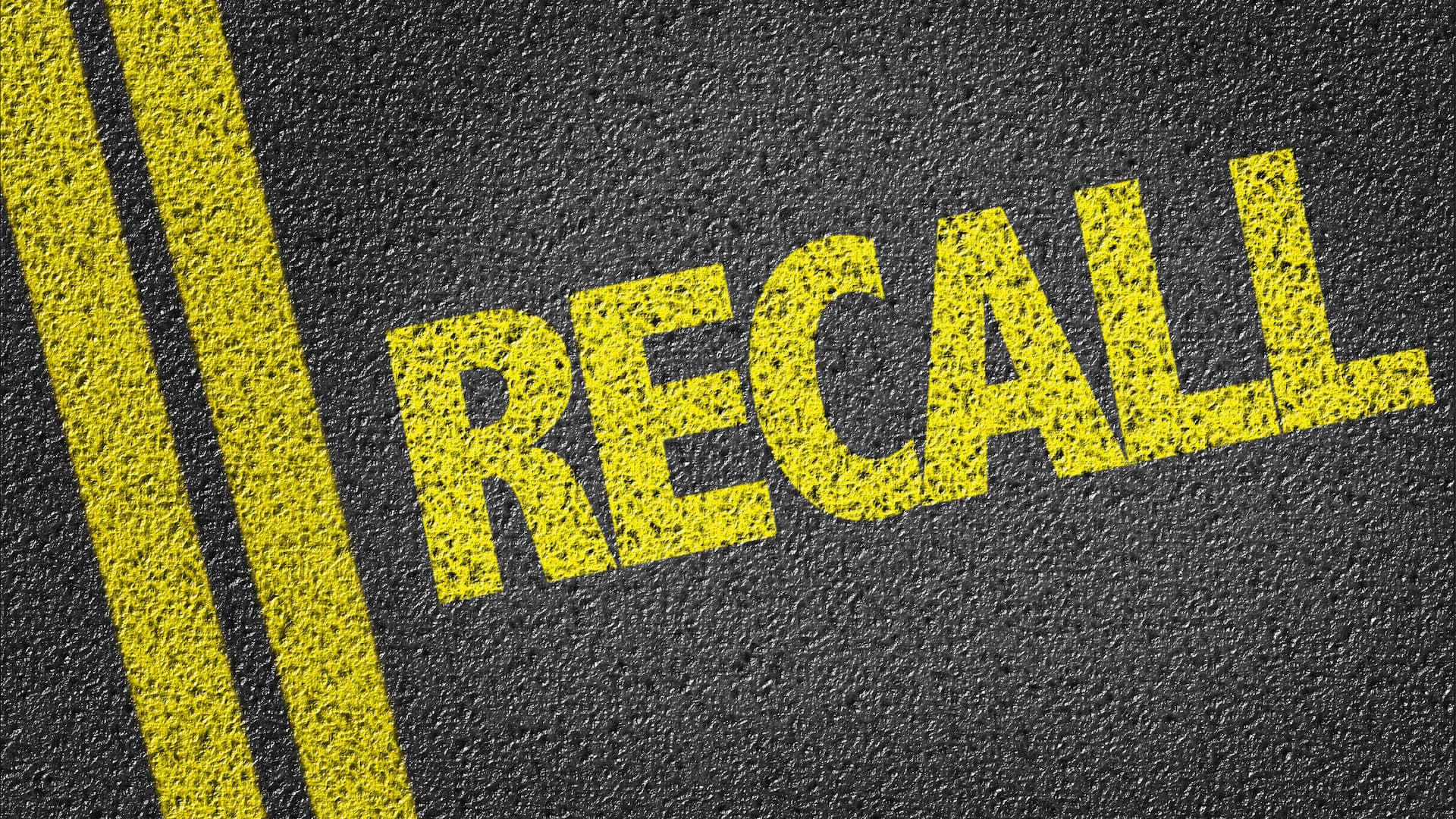
A vehicle recall is issued when a manufacturer or the National Highway Traffic Safety Administration (NHTSA) finds a problem that could affect a vehicle’s safety or prevent it from meeting federal safety standards.
Manufacturers may identify these problems through customer complaints, warranty claims, dealership reports, testing, or NHTSA investigations. The goal is to fix the issue before it causes more incidents.
Recalls can involve many different parts of a vehicle, including:
- Airbags
- Brakes
- Steering components
- Fuel systems
- Electrical systems
- Software
Some recalls address issues that are unlikely to cause immediate problems, while others involve critical safety systems that should be repaired as soon as possible.
The good news is that recall repairs are typically performed free of charge by an authorized dealership.
Read the Recall Notice Carefully
Before doing anything else, take a few minutes to read the notice from start to finish.
It should explain:
- What the problem is
- Which vehicles are affected
- The potential safety risk
- What the manufacturer recommends you do next
Some notices simply ask you to schedule a repair, while others recommend limiting or avoiding driving until the issue is fixed. That’s why it’s important not to assume every recall is the same.
Check Whether Your Vehicle Is Affected
Even if you receive a recall notice, it’s worth confirming that your specific vehicle is included.
The easiest way is to look up your Vehicle Identification Number (VIN) using the NHTSA’s recall lookup tool. The search will show whether your vehicle has any open recalls that still need to be repaired.
This is also a good habit if you purchased a used vehicle. An open recall stays with the vehicle, not the owner, so you may still be eligible for a free repair even if you’re not the original buyer.
Schedule the Recall Repair
If your vehicle is affected, contact an authorized dealership for your vehicle’s brand to arrange the repair.
Most recall appointments are straightforward, though repair times vary. Software updates may take less time than replacing mechanical components, and the dealership can provide an estimate when you book.
In some cases, parts may not be available immediately if many vehicles are affected by the same recall. If that happens, ask the dealership whether it’s safe to continue driving your vehicle while you wait for the repair.
They can explain any temporary precautions you should take based on the specific recall.
Will You Have to Pay for a Recall Repair?
In most cases, no. Recall repairs are performed free of charge because the manufacturer covers the cost of fixing the safety defect.
However, there’s one important exception. Under federal law, manufacturers are generally required to provide free recall repairs for vehicles that are 15 years old or less, measured from the date the vehicle was first sold — not its model year or manufacturing date.
If your vehicle is older, the manufacturer may no longer be legally required to cover the repair, although many still do as a goodwill gesture.
It’s also worth knowing that the recall only covers the specific defect being addressed. If the technician finds a separate problem preventing the recall part from being installed — such as rust — those repairs typically aren’t included and may need to be paid for separately.
If you’re ever told you’ll need to pay for a recall repair, ask the dealership whether the charge covers the recall itself or separate repairs, and whether your vehicle falls within or outside the 15-year coverage period.
What Happens If You Ignore a Recall?
Putting off a recall repair may seem harmless, especially if your car feels perfectly normal. But the defect that triggered the recall won’t simply go away.
Depending on the issue, it could eventually affect your vehicle’s safety, reliability, or performance. For example, a faulty airbag, brake component, or steering part may not show obvious warning signs before it fails.
Not every recall is equally urgent, but every recall deserves your attention. Scheduling the repair sooner rather than later helps reduce the risk of that problem becoming more serious.
The Bottom Line
Getting a recall notice doesn’t mean your vehicle is about to break down or become unsafe overnight. Think of it as an opportunity to fix a known problem before it causes trouble.
Even if your car seems to be driving normally, schedule any outstanding recall repairs promptly. Since they’re usually free, it’s an easy way to help keep your vehicle safe and reliable.