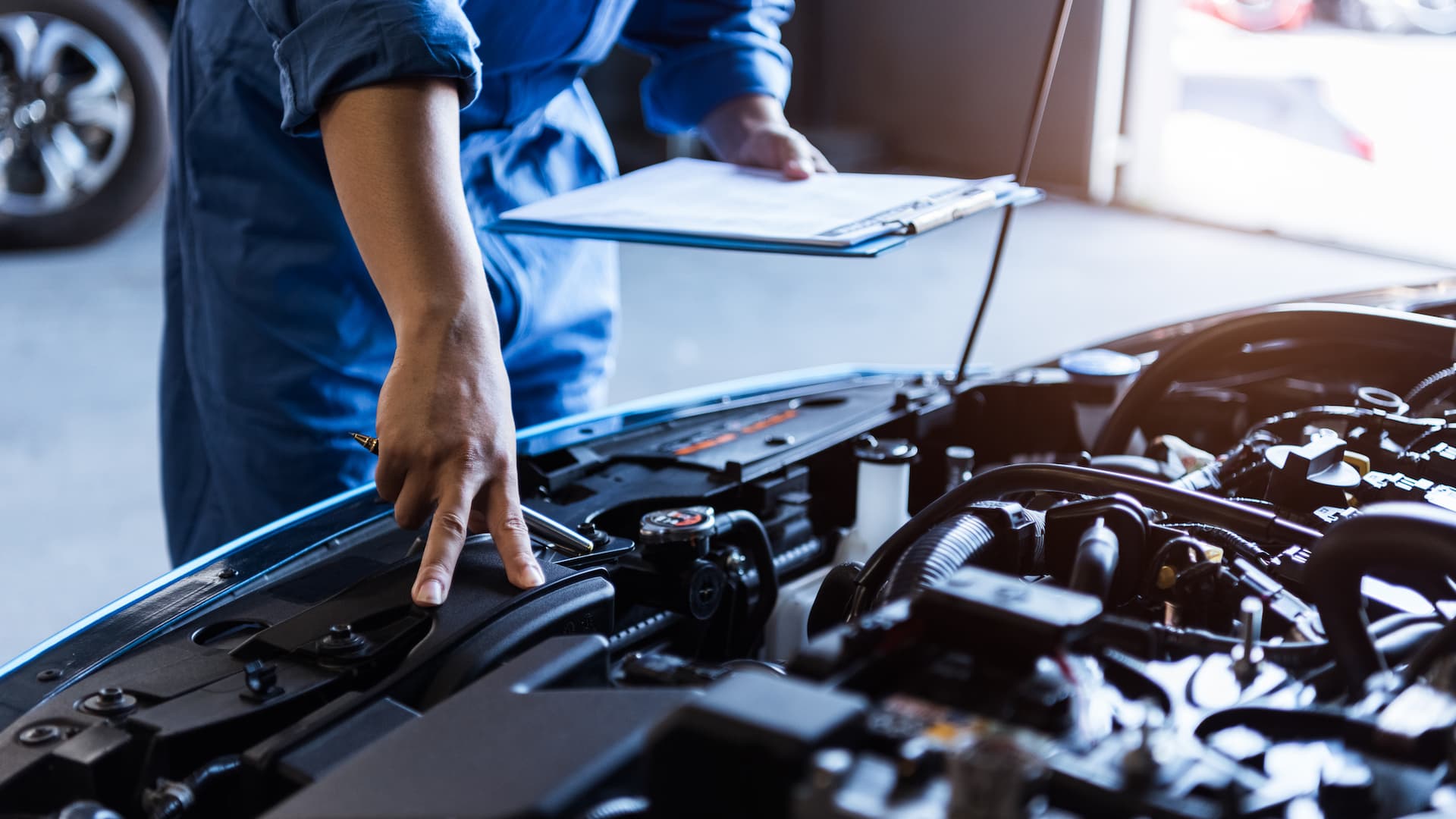
A car inspection will typically cost you between $10 and $200 on average. The actual amount varies widely depending on your state, inspection type, and vehicle.
We’ll further break down cost ranges, state regulations, and what to expect if your car doesn’t pass.
This Article Contains:
- How Much Does a Car Inspection Cost?
- Why Are Car Inspections Necessary (and When Do You Need One)?
- What Are the Different Types of Car Inspections?
- What Are the State Regulations Surrounding Car Inspections?
- Where Can You Schedule a Car Inspection?
- What If Your Vehicle Fails the Inspection?
How Much Does a Car Inspection Cost?
Before we get into the numbers, it’s important to understand that inspection fees aren’t one-size-fits-all. Some states set standardized prices, while others allow private shops to set their own rates.
A. Cost Range
These roughly represent what you can expect to pay:
- Safety-only inspection: $10–$50+ (In some states, like Delaware, these are free)
- Emissions test: $10–$50+
- Full car inspection: $50–$200
For example, by state:
- Virginia: $20-$51 for safety
- New York: $37 for safety + emissions of cars and light trucks in the Metro area
- California: $30–$70 for a smog check
You may also face additional fees, such as late penalties, re-inspection charges, small DMV administrative fees, or even hidden fees at some private shops. Always ask for a full price breakdown before agreeing to the inspection.
B. Factors Influencing Cost
Here’s what drives how much you’ll pay for an inspection:
- Vehicle age and type: New cars often cost less to inspect as they’re less likely to have developed issues. Cars made before 1996 may require a tailpipe emissions test instead of modern OBD-II scans, which can change pricing.
- State and local laws: Some states mandate both safety and emissions inspections, others only one, which affects how much you’ll have to pay.
- Location: State-run facilities may charge differently from private shops, and urban areas often have higher labor costs.
- Scope of inspection: A basic safety check costs far less than a full diagnostic or pre-purchase inspection, which can take several hours and involve more detailed testing.
Why Are Car Inspections Necessary (And When Do You Need One)?
Car inspections aren’t just red tape. They serve several important purposes:
- Safety: Inspections help identify issues with brakes, tires, lights, or suspension before they lead to accidents, protecting not just drivers but also other people on the road.
- Legal compliance: Passing inspection ensures your car meets state laws — avoiding tickets, fines, or registration holds.
- Vehicle longevity: Catching problems early through inspections can save you from repairs that might otherwise cost hundreds of dollars, while also helping extend your vehicle’s life.
- Insurance eligibility: Some insurance companies require a thorough inspection before issuing coverage, particularly for older or used vehicles.
You may need a car inspection when:
- Registering or renewing your vehicle
- Meeting state safety or emissions rules
- Buying or selling a used car, or
- When your insurer requires it before providing coverage
What Are the Different Types of Car Inspections?
Not all inspections are the same. Some states may require only a basic safety check, others mandate emissions testing, and buyers may request a full evaluation before purchase.
A. Safety Inspection
This inspection evaluates whether your vehicle is safe to drive. Typical checks include tires, brakes, steering, suspension, lights, seatbelts, mirrors, windshield, wipers, and possible fluid leaks.
B. Emissions Inspection
Also known as a smog check, this measures how cleanly your car runs. These are mandatory in 33 states, though they may apply to only certain areas. Older vehicles may need tailpipe tests, while newer ones (1996+) use OBD-II scanners.
C. Comprehensive Inspection
This is the most detailed type of inspection. Mechanics may examine the engine, transmission, suspension, electrical systems, and fluids. While not legally required, it’s a good idea to avoid surprises with a used vehicle.
What Are the State Regulations Surrounding Car Inspections?
Inspection requirements vary widely across the US:
- Annual safety checks: States like Maine, Pennsylvania, and Virginia require inspections every year to keep vehicles road-legal.
- Biennial emissions checks: California and Arizona have stringent smog test requirements.
- One-time inspections: Some states, like Florida, only require inspections when registering a car from out of state.
- Exemptions: Some states exempt cars with unique designations — such as “antique” cars in Texas.
Most states check the same core safety features—brakes, tires, lights, and emissions compliance. To confirm what applies to your vehicle, check your state’s DMV website.
Where Can You Schedule a Car Inspection?
You can get a vehicle inspection at:
- State-licensed inspection stations or DMV facilities
- Chain auto repair shops
- Dealership service centers
- Independent mechanics
When choosing where to go, look for transparent pricing, clear explanations of results, and strong customer reviews so you can make informed decisions about your vehicle’s care.
What If Your Vehicle Fails the Inspection?
If your car fails inspection, you’ll typically receive a rejection or failure sticker and a report listing the issues. States usually give you a window of time to complete repairs and return for re-inspection.
What happens if you fail the second vehicle inspection?
If your car still doesn’t pass after repairs, don’t panic. In many states, you can go for a third inspection once you’ve done more fixes, as long as you’re still within the time window from your first failed test. Just remember, the rules and costs will vary depending on your location.
It’s also worth checking with your local DMV. Some states will let you apply for a waiver or even an extension if you meet certain conditions, which can save you time and money.
Make Inspections Hassle-Free with AutoNation Mobile Service
Car inspections may feel like a hassle, but they play a critical role in keeping you safe, ensuring you stay road-legal, and extending your vehicle’s lifespan. They’re a small investment that delivers peace of mind and confidence each time you get behind the wheel.
If you want a convenient option, consider scheduling with AutoNation Mobile Service. We’re available 7 days a week, with easy online booking, and all work done is covered by a 12-month/12,000-mile warranty.
Drive with confidence — schedule your car inspection today.