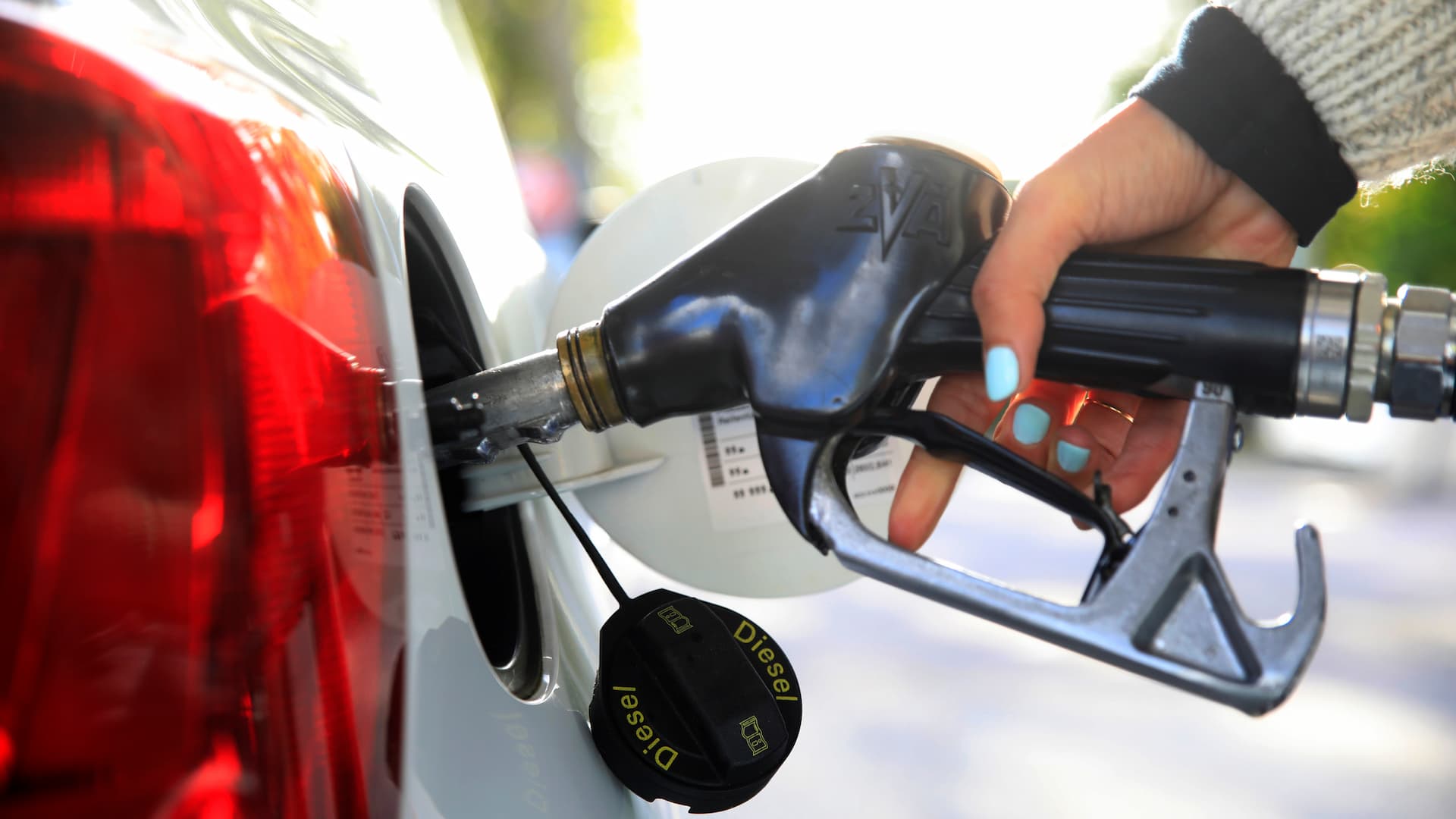
Want better mileage without spending on mechanical upgrades?
We hear you!
With gas prices soaring and commutes getting longer, everyone’s looking for ways to churn some extra miles out of every gallon.
The good news: A few smart habits and minor tweaks to your driving style can go a long way in boosting your car’s fuel efficiency.
But before we give out the practical tips, let’s quickly understand what “fuel efficiency” really means.
What Is Fuel Efficiency?
Fuel efficiency or miles per gallon (MPG) measures how far your car can travel on a single gallon of fuel. The formula is simple:
MPG = Miles Driven/Gallons of Fuel Used
The higher the number, the more efficient your car is and the less you’ll spend at the pump.
Now, let’s look at how you can boost this number without spending a dime on upgrades.
How to Improve Fuel Efficiency Without Vehicle Upgrades
Here’s how to get more miles out of every drop:
1. Keep Your Tires Inflated
Low tire pressure may not seem like a big deal, but it forces your engine to work harder and consume more fuel. Get a quick pressure check once a month to save money at the pump.
NOTE: Always use the recommended pressure listed on the placard inside your door frame, not the number on the tire’s sidewall.
2. Avoid Excessive Idling to “Warm Up” the Car
Modern engines don’t need long warm-ups before you hit the road. When you’re idling, you’re getting zero miles per gallon.
To save fuel, start driving within a few seconds of ignition and go easy for the first few minutes.
3. Accelerate and Brake Smoothly
Aggressive driving wastes fuel. So apply the brakes gently. Smooth, gradual movements help your engine use fuel efficiently.
Bonus: Your passengers will thank you.
4. Stick to Moderate Speeds
The more you hit the gas pedal, the more fuel your car will use. Staying around 40–50 mph on highways is often the sweet spot for most vehicles.
5. Remove Extra Weight and Unused Roof Racks
Every extra pound that your car carries forces the engine to burn more gas. Clear out unnecessary items from the trunk and take off the roof racks when you’re not using them.
6. Drive in Higher Gears Whenever Possible (For Manual Cars)
If you drive a car with a manual transmission, shift up early and keep RPMs (Revolutions Per Minute) between 1,000 and 2,500. Staying in lower gears too long consumes more fuel than you think.
7. Use Air Conditioning Wisely
Air conditioning can significantly reduce mileage, especially at low speeds. So avoid running it continuously on short trips.
And if you want to make your drives more comfortable, ventilate your car before turning on the AC.
8. Limit the Use of Electrical Accessories
Features such as heated seats, additional cabin lights, and upgraded infotainment systems enhance comfort and convenience. But they also strain your engine and reduce fuel efficiency.
To boost your fuel economy, use them only when needed.
9. Address Check Engine Light Promptly
The Check Engine Light is your vehicle’s way of hinting that something’s amiss under the hood. It’s triggered by issues like misfires or sensor faults that can harm both performance and fuel economy.
You should have it checked as soon as possible.
10. Don’t Skip Regular Vehicle Maintenance
While the CEL is a helpful indicator, you shouldn’t wait for your car to tell you it needs attention. Here are some best practices for engine upkeep that contribute to better fuel economy:
- Replace dirty air filters and worn spark plugs.
- Clean the mass airflow sensor (MAF) with a proper cleaner.
- Occasionally, use a fuel system cleaner to remove contaminants from the fuel system.
- Stick to the recommended fuel grade mentioned in your owner’s manual.
Bonus Tip: Stick to Regular Gas Unless Premium Is Required
If your car doesn’t need premium fuel, don’t waste money on it. The mileage gain is negligible, and regular unleaded gas works perfectly fine for most cars.